
Reviewed · HUNGARIAN WINE TASTINGS
Budapest: Essentials of Hungarian Wine Tasting Class
This experience is interesting because it treats Hungarian wine like a story you can actually follow, not a wine-rack guessing game. In just 2 hours, a sommelier walks you through the big regions, key grapes, and what makes the styles feel so different, then lets you taste your way through the lesson.
Two things I like a lot: first, the format is built around 8 wines with a clear progression from aperitif to reds and whites and ending with sweet Tokaj aszú. Second, the food pairings are local and practical, so you get to learn how flavors change when they meet cheese, charcuterie, and Hungarian staples.
One possible drawback: if you’re the type who hates holding your attention for long stretches, you’ll want to choose your pace. Some guides go heavier on explanations than you might expect, and one review even suggested switching glasses between whites and reds for cleaner comparisons.
Key Things Worth Noting Before You Go
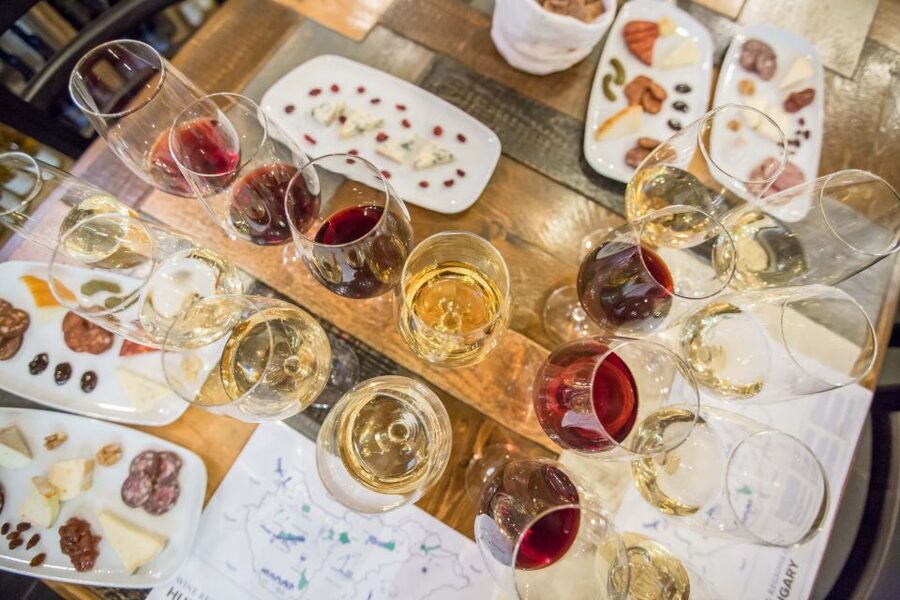
- 8 wines in one evening so you learn by tasting, not just listening
- Tokaj aszú at the end, including the sweet botrytised style
- Sommelier-led storytelling about regions, history, varietals, and styles
- Local food pairings that help you taste smarter, not just eat more
- A short, walkable stop near big sights so it fits easily into your Budapest evening
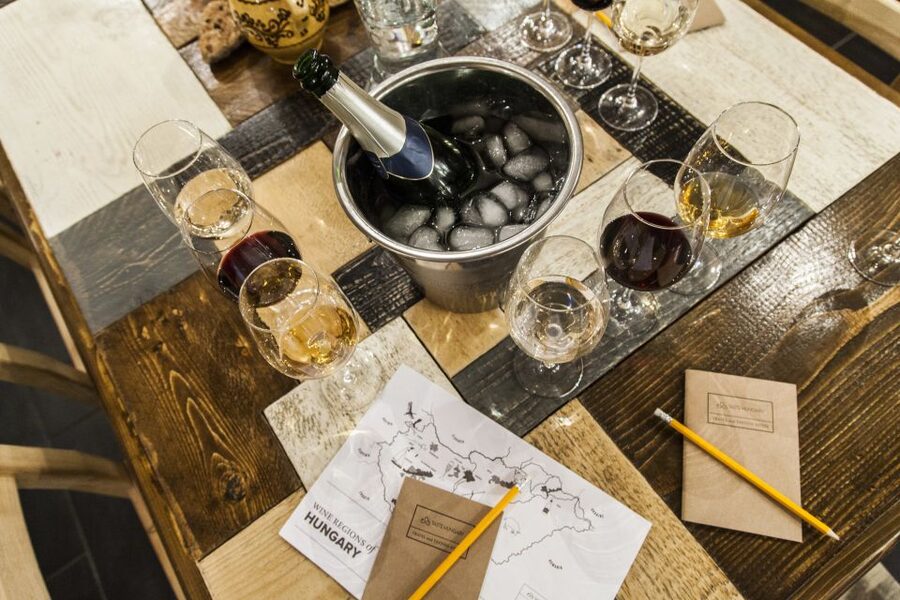
- Note-taking support with tasting sheets and a map of Hungarian wine regions
Why This Budapest Wine Class Fits Even If You Are Not a Wine Expert
Hungarian wine has a reputation problem. It is often overshadowed by France, Italy, and Spain, even though the country has serious grape traditions and some truly distinct styles. This class fixes that fast.
In the 2-hour session, you get enough structure to understand what you are tasting. You also get permission to enjoy it. You do not need a wine degree. You just need curiosity and a willingness to taste the differences between regions and grapes, then talk about what you like.
The other quiet win is how the experience is built for real conversation. Reviews mention a relaxed rhythm where you get information, then time to taste, chat, and reset before the next pour. That matters in Budapest, where evenings can turn into a blur if every activity is just a lecture in disguise.
More Hungarian wine tastings:
- Hungarian Wine Tasting (with Cheese and Charcuterie) in Budapest
★ 5.0 · 531 reviews - Budapest: Hungarian Wine Tasting with 8 Wines and Tapas
★ 4.9 · 446 reviews - 8-Tier Hungarian Wine Tasting in a Cozy Downtown Wine Bar
★ 4.9 · 269 reviews
Where You Meet Near the National Museum (and Why Location Matters)
The meeting point is The Tasting Table Budapest, at Bródy Sándor utca 9, District VIII. It is about 150 meters from the National Museum, and it is also described as a short walk from Astoria (M2) and Kálvin tér (M3).
That kind of location is more than a convenience. It helps you build an evening that makes sense. You can do the museums or wander nearby, then drop into a tasting without spending your whole night fighting transit.
If you are coming by tram, trams 47 and 49 stop around Astoria and Kálvin tér too. So you have options, even if you lose track of time while exploring.
Inside the Tasting Table: Atmosphere That Actually Sets the Mood
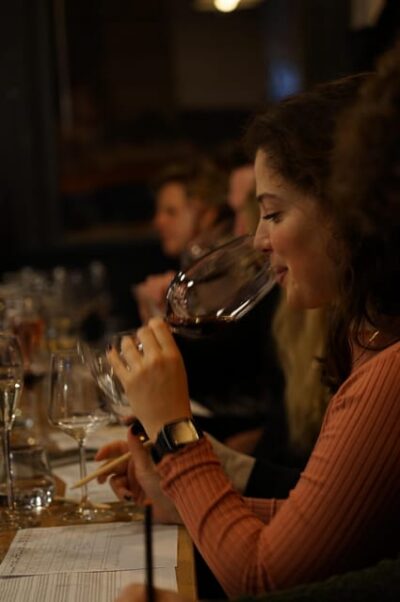
You are not tasting in a sterile classroom. The venue is described as charming, including a brick arched wine-cellar feel. That is the difference between a tasting where you feel like you are being graded and a tasting where you feel like you are hanging out with people who care about wine.
The vibe is also practical. Reviews highlight that it is easy to find, photogenic, and comfortable enough to let you focus on the pours and the food. It is the kind of place where you can talk to the person next to you and still follow the sommelier.
Language is English, and the host is part of the draw. People cite engaging, friendly energy and strong explanations. Names that show up in past sessions include Somali, Tomas, Carlos, Nikki, John, Christian, Sebastian, and Sam. You are not guaranteed one of those guides, but it tells you the caliber of hosting you can expect.
The 2-Hour Timeline: From Aperitif to Sweet Tokaj Aszú
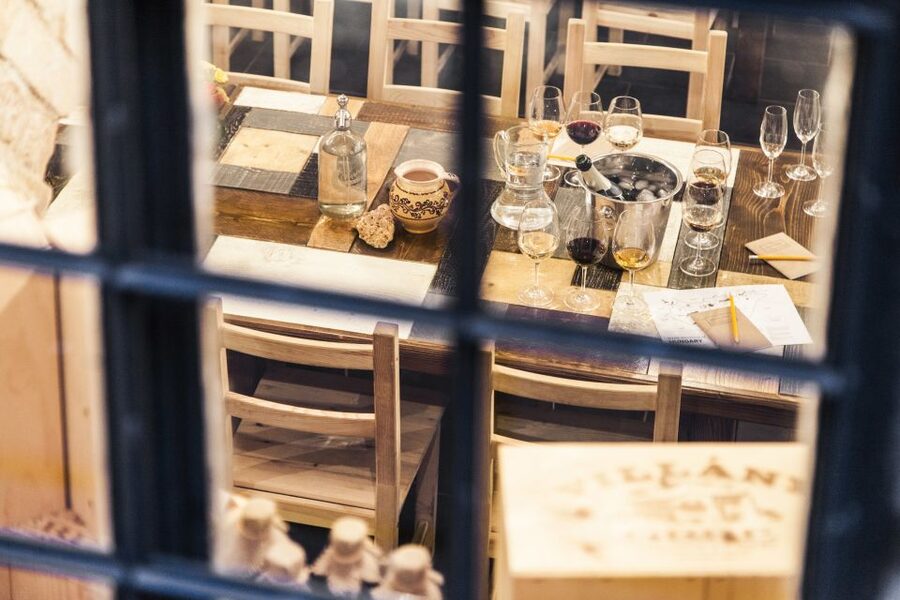
Here is the pacing you should expect, based on how the class is structured and how sessions tend to run.
More hands-on workshops in Budapest:
- Budapest: Hungarian Chimney Cake Workshop in the City Center
★ 4.7 · 1,263 reviews - Budapest Cooking Class & Market Tour with Local Guide & Wines
★ 5.0 · 553 reviews - Budapest: Traditional Chimney Cake (Kürtőskalács) Workshop
★ 4.8 · 323 reviews - Chimney Cake Workshop Budapest Downtown – Kürtőskalács Class
★ 5.0 · 220 reviews
The Aperitif Start
The tasting begins with an aperitif. You are meant to get your palate awake and ready. This first pour sets a baseline for what comes next, and it is also a good moment to ask quick questions like what style you normally prefer.
Whites and Reds After the Intro
After that, the session moves through a curated run of Hungarian wines across whites and reds. One review notes that the session can include a rosé, so you might see a pink interlude depending on the day’s selection.
The important part is that each wine comes with context. You do not just get a label and a shrug. You get a reason why it is in the line-up, plus guidance on what to look for: aroma, taste profile, and how regional factors can shape the feel of the wine.
The Finish: Botrytised Tokaj Aszú
You end with sweet botrytised Tokaj aszú. That is a big deal in Hungarian wine, and it is also a helpful way to understand contrast. Most people start the evening expecting mostly dry wines. Ending with Tokaj aszú forces your palate to experience the opposite style, so you remember Hungary for more than one mood.
If you like sweet wines, you will likely love this ending. If you do not, you still learn something important, because you taste what Hungary can do when it leans into dessert-style intensity.
What 8 Wines Plus Food Pairings Actually Means for Your Palate
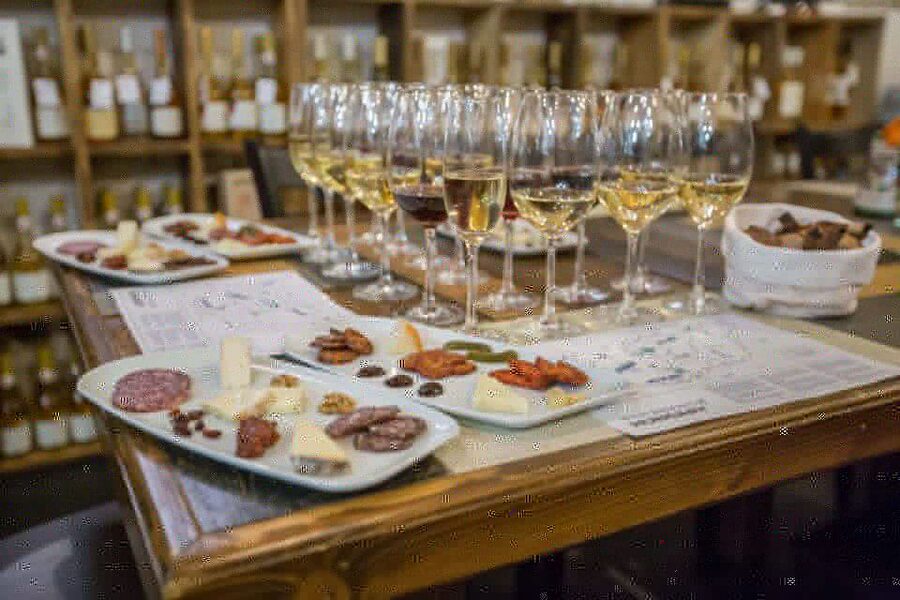
The class includes food pairings with the wines, described repeatedly as cheese, charcuterie, and local Hungarian flavors. Some reviews mention a plate of cheese and charcuterie being generous, and one person called it a setup that functioned like dinner.
That matters because wine tasting is not just about the wine. It is about how the wine behaves next to food.
A few pairing details you may notice:
- Hungarian-style cheese and cured meats show up often, making tannin-heavy reds and more aromatic whites feel more balanced.
- Reviews also mention elements like pumpkin seed oil and crispy bread, which can dramatically change how nutty and savory notes land on your palate.
The goal is not to make you eat everything. The goal is to let you taste the wine in conditions similar to what you would do on a dinner table at home. So when you later buy a bottle, you have a better instinct for what to pair it with.
Learning Hungarian Wine Regions Without Getting Lost in the Details
This is a crash course, not a textbook. Over the 2 hours, the sommelier covers wine regions, history, varietals, and styles, with emphasis on what makes Hungarian wine feel distinctive.
One reason this style works is that it turns abstract geography into sensory memory. If you taste a few wines from different areas back to back, you start to pick up patterns that you would miss if you only saw regions on a map.
There is also a sense of professionalism in how the wines are chosen. Reviews say the wine you taste is there for a reason, and the goal is to make Hungary’s place in the wine world make sense, even if you only start with a few glasses.
If you like notes, you get tasting sheets and a map of the Hungarian wine regions. That helps you remember what you liked and why, instead of leaving with a fuzzy feeling like, That was good, but what was it?
Value Check: Is $65 Worth It for 8 Wines and Bites?
At $65 per person for about 2 hours, the best way to judge value is simple: you are paying for (1) the guidance, (2) the wine count, and (3) the food.
With 8 wines included, plus mineral water and food pairings, this is not a barebones, tiny-cup tasting. Multiple reviews mention generous pours, described as more like a glass than a small taste. One review even notes the session ran longer and ended up around 2.5 hours while people kept tasting and chatting.
So the value is strongest if you want to learn and also drink at a real pace. If you only want a light sip, this might feel like more than you need. But if you want an evening activity that functions as both education and a serious taste dinner, it lands in the sweet spot.
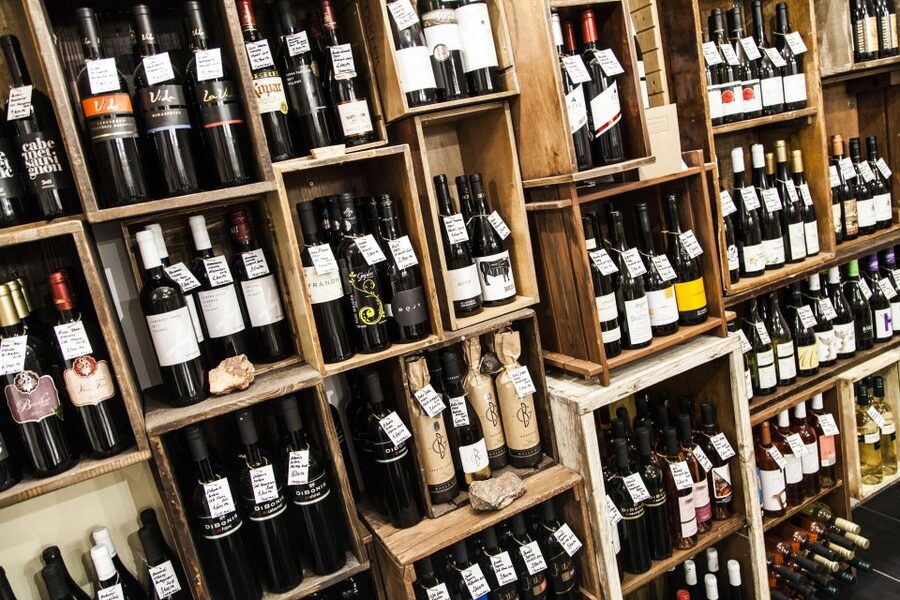
There is also a practical bonus: the venue sells bottles, and at least one review notes a discount on wines you tasted. That makes it easier to translate the experience into purchases you can actually enjoy later.
The Most Praised Parts You Should Count On
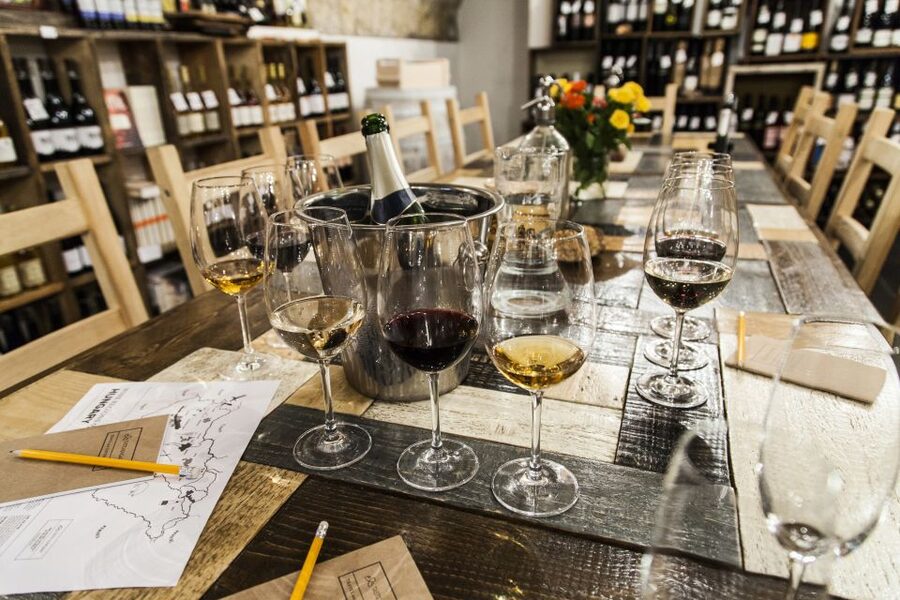
From the reviews, the praise clusters around a few repeat themes. Here is what that likely means for your experience.
- Top-tier hosting: Hosts like Somali, Tomas, Carlos, Nikki, John, Christian, and Sebastian are repeatedly described as engaging, entertaining, and full of real passion.
- Wine quality plus variety: The selection is described as varied, with wines from different Hungarian regions and grapes people have not tried before.
- Food that matches the wines: Cheese and charcuterie show up often, and multiple reviewers say it was beyond a small snack.
- Fun social flow: You get a format that works for meeting other people, because tasting sets create natural breaks for conversation.
- A strong ending at Tokaj aszú: Ending with sweet botrytised Tokaj aszú gives the class a memorable finish.
One small caution tied to feedback: one person suggested switching glasses between whites and reds. If you are the type who likes ultra-clean comparisons, that is a reasonable request. You can also pay attention to aroma and taste between pours even without glass changes.
Who Should Book This, and Who Might Prefer Something Else
This class is a great fit if you:
- Want a Hungarian wine introduction that does not require prior knowledge
- Like social settings but still want structured guidance
- Are curious about Tokaj and how it connects to the rest of Hungarian wine
- Want a Budapest evening plan near major sights
You might skip or look for a different option if you:
- Want a very quiet, low-talk experience all the way through
- Prefer learning with less wine and fewer pours
- Are sensitive to strong alcohol amounts, especially since reviews mention getting fairly tipsy
If you are a solo traveler, the format can work well. One review mentions being moved to an earlier session when only one person booked, and the experience still felt generous and complete. That suggests flexibility and a focus on keeping the night enjoyable.
My Booking Advice: How to Get the Most From Your Evening
I would book this when you want an easy win: one ticket, one location, and a full evening’s worth of sensory learning. The start time window is commonly evenings from 6:00 PM to 8:00 PM, so it pairs nicely with a late afternoon in the center of Budapest.
Before you go, decide what you want out of it:
- If your goal is to buy bottles later, take notes on what you liked and what style it was.
- If your goal is pure enjoyment, focus on the flavors with the food, not just the region facts.
- If you care about precision, ask if you can switch glasses between whites and reds.
Then, after the tasting, you have the option to buy wines you tasted, and one review notes that people sometimes even go back the next day to purchase bottles. That tells you the class does more than educate, it helps you pick.
Should You Book Budapest’s Essentials of Hungarian Wine Tasting Class?
Yes, if you want a structured, fun, and surprisingly filling way to learn Hungarian wine in two hours. At $65, you get 8 wines, local food pairings, tasting sheets with a region map, and a sommelier who can explain why the wines taste the way they do.
Skip it only if you are looking for a minimal drinking experience or a purely low-key setting with almost no explanation. Otherwise, this is one of the better-value wine nights in Budapest, especially for anyone who wants to understand why Tokaj aszú and Hungary’s other styles deserve more attention.
FAQ
How long is the Budapest Hungarian wine tasting class?
It runs for 2 hours.
How many wines do you taste?
You taste 8 Hungarian wines during the session.
Does the tasting include food?
Yes. The class includes food pairings made from local Hungarian flavors, along with mineral water.
Where is the meeting point?
The meeting point is The Tasting Table Budapest, Bródy Sándor utca 9, District VIII.
What language is the host?
The host is available in English.
Is the tasting only for adults?
The legal drinking age in Hungary is 18, so participants must be 18 and above.
Is Tokaj aszú included?
Yes. The tasting ends with a sweet botrytised Tokaj aszú wine.
When does it usually run?
It is available on most evenings from 6:00 PM to 8:00 PM.
Can I get a refund if plans change?
The activity offers free cancellation up to 24 hours in advance for a full refund.
Can I reserve without paying right away?
Yes. There is a reserve now & pay later option, where you can book and pay nothing today.
Newest reviews from Budapest
- Private Tour Around Budapest★ 5.0 · 10 reviews
- Born Under The Red Star – Communist tour with Coffee in a Retro Bar★ 5.0 · 10 reviews
- Live virtual walking tour in the Buda Castle quarter★ 5.0 · 10 reviews
- Taste Budapest – Fat Boy Foodies Walk★ 4.5 · 10 reviews
- Wine & Food Tasting Cruise on the Danube★ 3.5 · 10 reviews
- Private Transfer from Budapest to Prague with 2 hours for sightseeing★ 4.5 · 10 reviews
- The Real Saw | Escape Room by PÁNiQ SZOBA★ 4.1 · 10 reviews
- City Park True Crime of Hungary and Night Walk Tour in Budapest★ 5.0 · 10 reviews
Hungarian Wine Tastings, compared.
Hungarian Wine Tasting (with Cheese and Charcuterie) in Budapest
Read our review →
8-Tier Hungarian Wine Tasting in a Cozy Downtown Wine Bar
Read our review →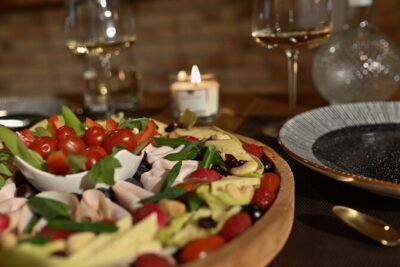
Exclusive Hungarian Wine and Gastronomy Experience Luxury Package
Read our review →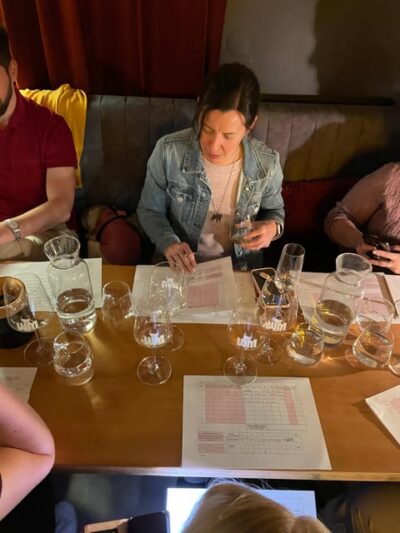
6-Tier Hungarian Wine Tasting at a Cozy Community Table
Read our review →Browse the lists this tour appears in