
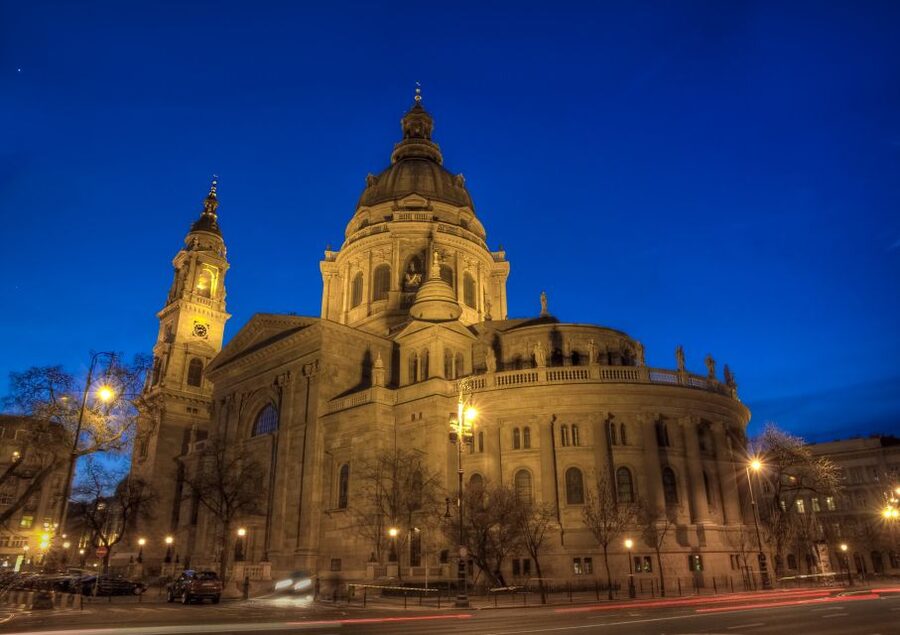
Reviewed · ST. STEPHEN’S BASILICA
Budapest: Organ Concert in St. Stephen’s Basilica
Budapest’s best reason to dress up for an evening is this organ concert in St. Stephen’s Basilica, right in the middle of the city. The setting is gorgeous, but the real win is that you get more than organ music. You also hear Hungarian vocal arias and a flute spot, all built into one program.
I love the lineup because it brings together big names you can actually recognize from Hungarian concert culture: Kolos Kováts (voice) and the featured musicians Miklos Teleki and Eleonóra Krusic. I also love the way the program moves across composers, from Mozart and Bach to Liszt and Verdi, so you do not feel stuck in one mood for the whole evening.
One thing to consider is seating. You’ll choose a category that affects where you sit, and the rows run from early front seating to farther back options, so your view and sound mix will depend on your ticket.
Key things to know before you go
- St. Stephen’s Basilica is the venue for this organ concert, so you are hearing sacred music in a classic concert space.
- Kolos Kováts performs the arias, so expect a strong vocal thread through the evening.
- Eleonóra Krusic adds flute, giving the program extra color beyond organ and voice.
- The program spans familiar and dramatic pieces, including Bach Toccata and Fugue in D minor BWV 565 and Verdi’s Prayer of Fiesco.
- Your ticket row matters, with Category I covering rows 1 to 6, and Category III covering rows 17 to 26.
St. Stephen’s Basilica at 19:40: the setting for organ, voice, and flute
Plan to arrive at St. Stephen’s Basilica by 19:40. This is not a vague walk-in event. You are buying into a scheduled concert experience with assigned seating, so being on time helps you avoid that late rush feeling.
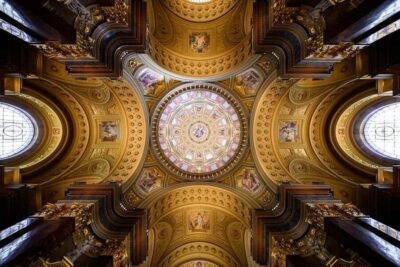
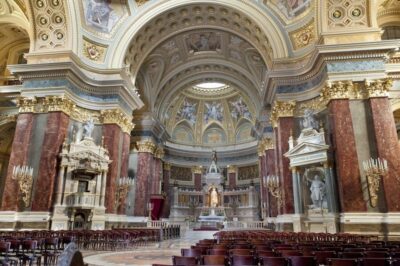
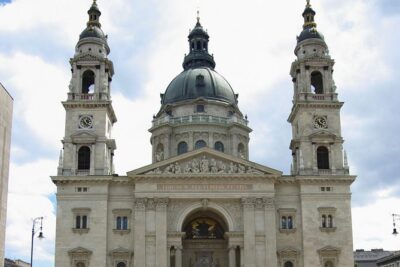
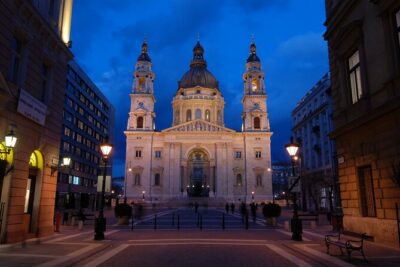
The basilica itself is one of Budapest’s most beautiful neo-classical landmarks, and that matters for two reasons. First, it looks great in the evening, so you get a rewarding pre-concert moment. Second, the hall feel can change how music carries, and that is what you came for.
If you are the type who likes seeing your surroundings before the performance starts, this is a good fit. If you hate waiting and just want to sit instantly, you might feel a little impatient, since the event starts after everyone gathers.
More at St. Stephen's Basilica:
- Budapest: St. Stephen’s Basilica Entry with Options
★ 4.6 · 12,322 reviews - Budapest: Classical Music Concerts in St Stephen’s Basilica
★ 4.7 · 1,479 reviews - Budapest: St Stephen’s Basilica Tour
★ 4.8 · 1,277 reviews
Who performs: Kolos Kováts, Miklos Teleki, and Eleonóra Krusic
This concert is built around three featured musical voices, and that’s where a lot of the quality comes from.
Kolos Kováts handles the vocal side, performing the arias in the program. The information provided also notes major recognition for him in Hungary, including the Liszt Ferenc prize, Merit of Art, and the Kossuth Prize. That gives you a clue about level, especially if you care about how singing sounds in a large church setting.
Miklos Teleki is listed among the performers as well. Even if you do not know his work, you can treat this as a reassuring sign that the event is not a random lineup. It is a curated performance with established musicians.
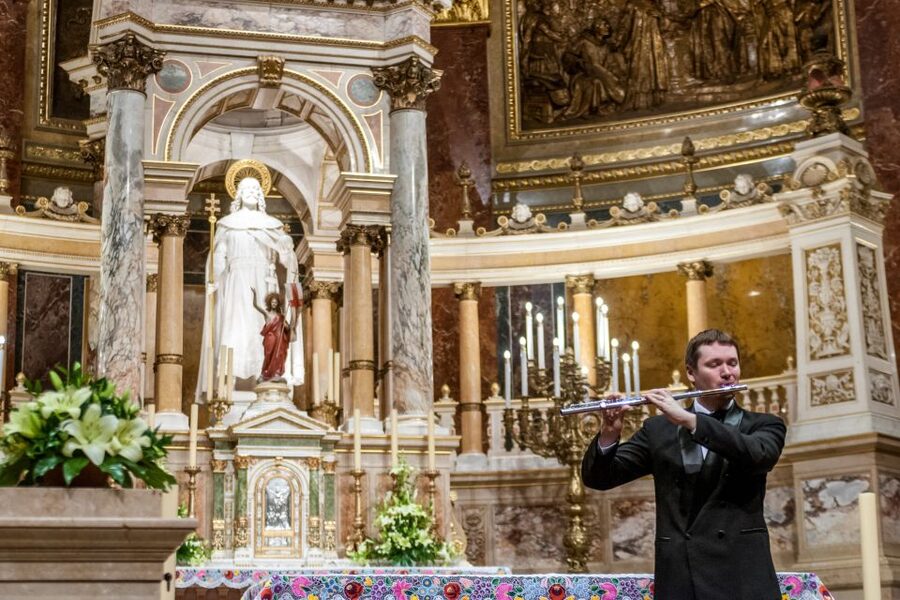
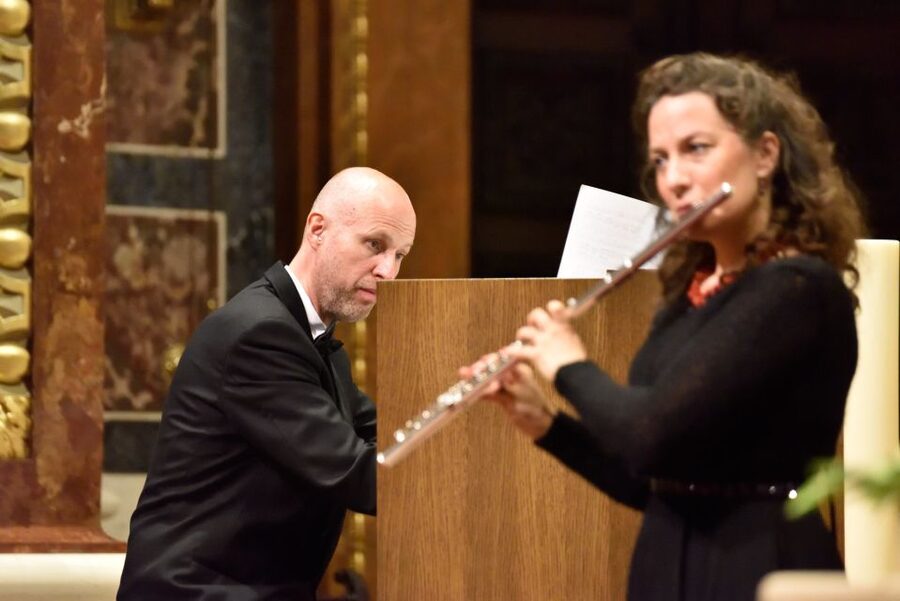
Then you get a flute moment from Eleonóra Krusic. The flute is a smart choice here because it bridges worlds. It can sit light above the organ sound, and it also pairs naturally with lyrical passages, which helps the program stay varied instead of only leaning into one timbre.
The music program: how the evening flows from Mozart to Bach and back again
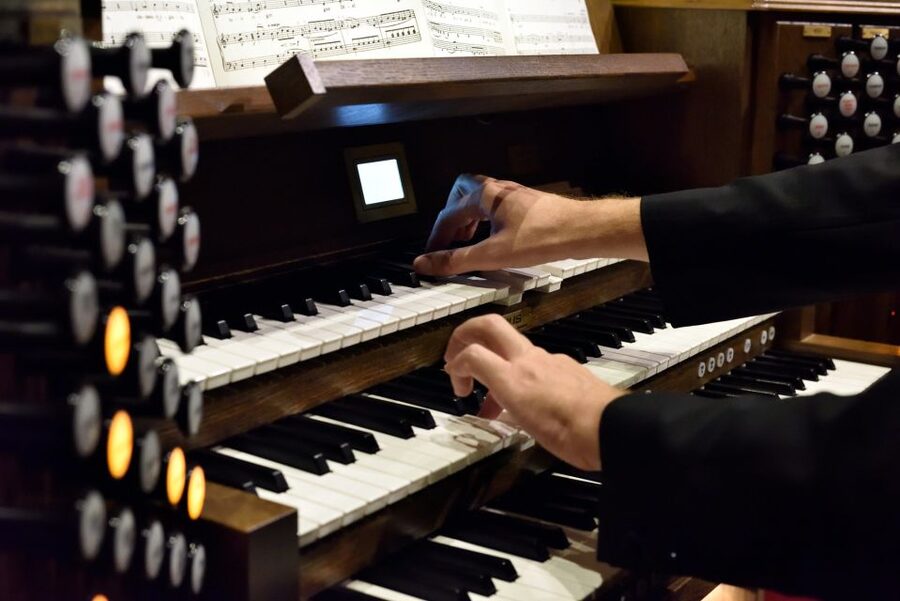
You’ll be hearing a single program with multiple composers and multiple types of music. Here’s what’s on the sheet, and how it tends to feel as a sequence.
Mozart, Stradella, and Adagio calm
The evening opens with Wolfgang Amadeus Mozart: Fantasie in F minor K 506. Starting with Mozart is a strong move because it signals that the concert will not be strictly solemn or strictly flashy. A fantasy also suggests shifts in mood and texture, so you’ll likely notice the music changing without warning, in a good way.
Next is Alessandro Stradella: Pietà Signore. This is voice-forward content, since the event description says Kolos Kováts performs the arias. You get a clearer lyrical thread early, which helps anchor the organ sounds around a human line.
Then you move to Tomaso Albinoni: Adagio. An Adagio title usually means slower pacing and sustained feeling. In a concert like this, that kind of movement is useful because it gives your ears time to adjust and to hear details you might miss during faster music.
More concerts in Budapest:
- Budapest: Candlelit Dinner River Cruise with Live Music
★ 4.7 · 2,154 reviews - Budapest: Dinner Cruise with Live Music and Folk Dance Show
★ 4.4 · 2,090 reviews - Budapest Danube River Candlelit Dinner Cruise with Live Music
★ 4.5 · 1,770 reviews - Budapest: Dinner Cruise with Live Music & Unlimited Drinks
★ 4.7 · 1,596 reviews
Liszt meets Saint-Saëns and the drama level rises
Liszt Ferenc appears in the program through Camille Saint-Saëns: Legend in A major (St. Francis of Assisi’s Sermon to the Birds). Even with a title like that, what matters for you as a listener is contrast: you get something more narrative and imaginative, and you also get to hear how the orchestra-color changes when voice and flute come into the picture.
After that, you get Giuseppe Verdi: Prayer of Fiesco from opera Simone Boccanegra. Verdi’s operatic writing tends to be emotionally direct, so it often lands well in live performance. If you like music that sounds like it has a story behind the notes, this is a great point in the evening.
Bach brings technique, sparkle, and scale
Bach appears twice, and that’s usually a sign the concert aims to end with real momentum.
First is Johann Sebastian Bach: Polonaise, Minuet and Badinerie from Suite in B minor BWV 1067. Suite movements like this typically bring recognizable shapes and rhythmic personality. Even if you do not know the exact pieces, you can still enjoy the feeling of dance and movement.
Finally, there is the big finish: Johann Sebastian Bach: Toccata and Fugue in D minor BWV 565. A toccata and fugue combination is made for impressive acoustics. If you care about hearing how structure sounds when it’s played live, this is the moment you will likely remember most.
Quick takeaway on the setlist
The program is balanced: you get lyrical singing, calm pacing, then dramatic and technical pieces. The mix of Mozart, Stradella, and Albinoni helps you settle in, while Liszt/Saint-Saëns and Verdi bring drama, and Bach delivers the musical engineering at the end.
Seating categories: what rows 1 to 26 can change for you
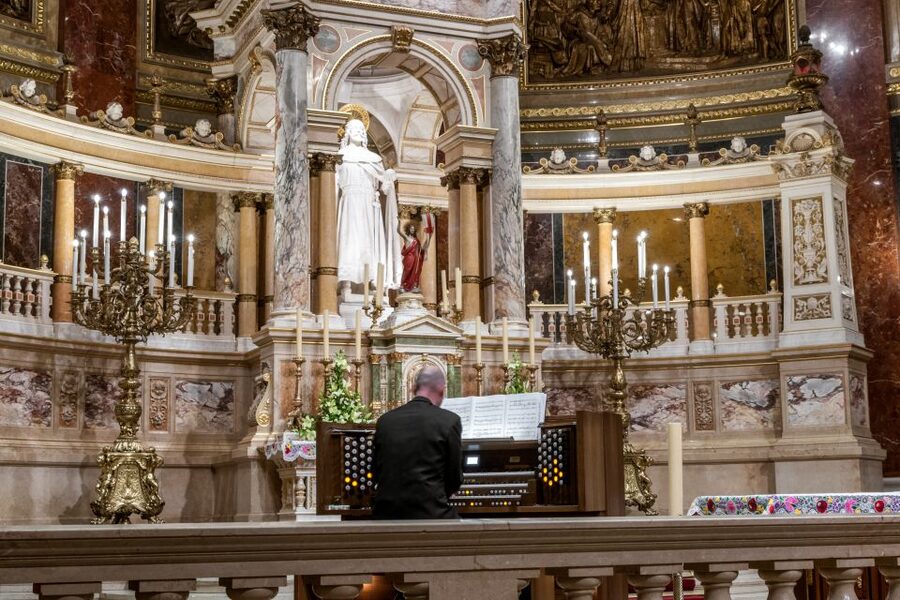
This is one of those details that genuinely affects your experience, because you are choosing a view and a listening position.
Ticket rows are grouped into three categories:
- Category I: rows 1 to 6
- Category II: rows 7 to 16
- Category III: rows 17 to 26
If you want the cleanest experience, especially for flute and vocal work, Category I is the easiest choice. You’ll typically get better sightlines and more direct presence. If you are budget-minded but still want a decent seat, Category II can be the compromise.
If you pick Category III, do not think of it as a bad decision. Just expect more distance from the performers, and you might rely more on the basilica’s acoustics to do the heavy lifting. In a church venue, that can still be enjoyable, but it’s a different feel than being closer.
No matter which category you choose, sit where you are assigned. Concerts like this sound best when you treat the performance as planned, not improvised.
Value and what is included, plus what costs extra
Your ticket includes concert tickets, delivered by the provider Hungaria Koncert Ltd. That means you are paying for the event itself, with the core music experience covered.
What is not included is pick-up and drop off, which is available for an additional cost. If you are staying near central areas, you might skip that add-on and handle it yourself. If your lodging is farther out or you do not want to manage the trip at night, you can consider paying extra for convenience.
When I judge value, I focus on the quality signals you get from the structure:
- A major Budapest basilica setting
- Identifiable featured musicians, including Kolos Kováts
- A full program that mixes organ, voice, and flute
- Reserved seating categories so you can choose your comfort level
That combo is usually a better deal than random concerts that offer only one instrument or unclear performers.
How long it takes and how to plan your evening
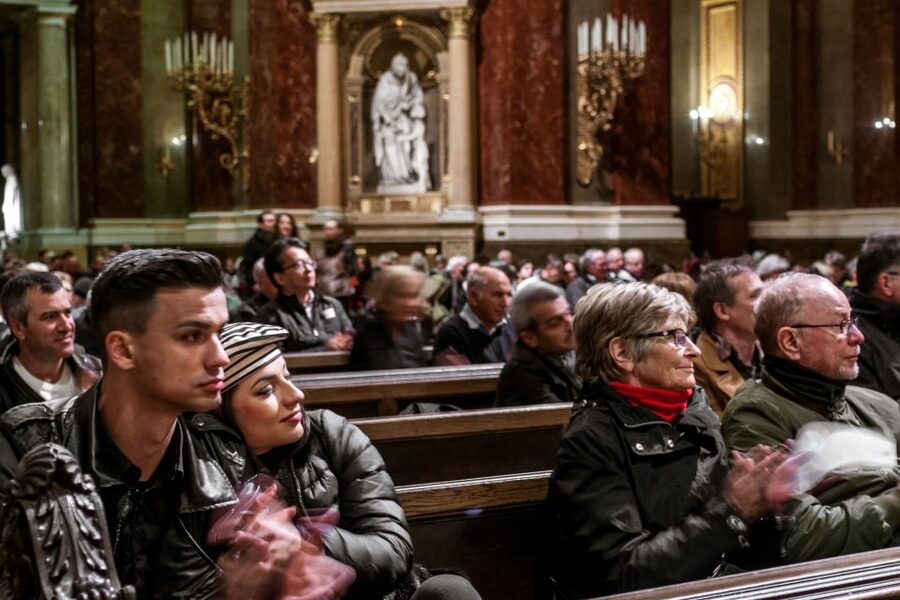
The only time marker provided is meeting at 19:40 at the basilica. Because no exact duration is listed, you should plan your night with a little buffer afterward. This kind of concert tends to feel like a complete evening activity, not something you squeeze between plans.
I suggest you avoid stacking tight dinner reservations right before 19:40. Give yourself time to get there, find your row, and settle without stress. Then after the concert, you can walk out and keep the night going through the central city area.
Who should book this organ concert in Budapest
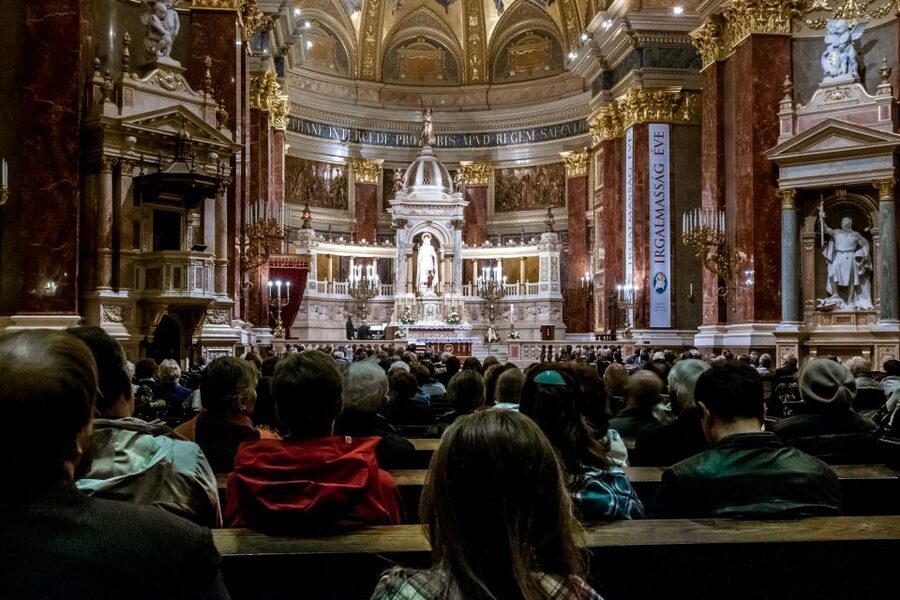
This experience fits best if you match at least one of these:
- You want a classic Budapest evening with serious music in a famous basilica
- You enjoy vocal arias and not just instrumental concerts
- You want variety, since the lineup includes organ, voice, and flute
- You like a program that goes from Mozart and Bach into operatic drama with Verdi
If you only like one specific genre, this program may feel too mixed. But if you enjoy musical variety in one sitting, you’ll likely appreciate the flow.
Should you book it?
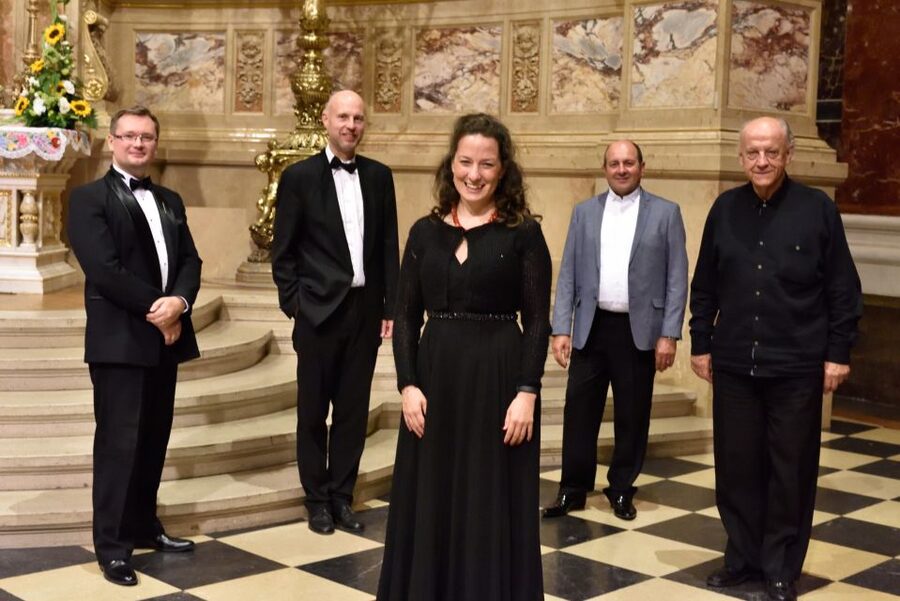
Yes, if you want a straightforward, high-quality music evening anchored at St. Stephen’s Basilica. The strongest reason to book is the mix of performers: Kolos Kováts for the arias and Eleonóra Krusic on flute, plus Miklos Teleki and the organ concert setup.
Choose your ticket category based on how you want to experience the performance. If you can, Category I (rows 1 to 6) is the most satisfying option for close listening. If you need to save money, Category II is a sensible mid-path.
If you dislike reserved seating or you hate planned events, then skip it. But if you like knowing what you will hear and who you will hear, this concert is an easy yes for many Budapest trips.
FAQ
What time should I arrive?
Please come to St. Stephen’s Basilica at 19:40.
Where does the concert take place?
The concert is held at St. Stephen’s Basilica in Budapest.
Who are the performers?
The program includes performances by Miklos Teleki, Kolos Kováts (arias), and Eleonóra Krusic (flute).
What is included in the ticket?
The concert tickets are included.
Is pick-up or drop-off included?
No. Pick-up and drop off are not included, but they are available for an additional cost.
What ticket seating categories are available?
There are three categories: Category I rows 1 to 6, Category II rows 7 to 16, and Category III rows 17 to 26.
Who is the experience provider?
The provider is Hungaria Koncert Ltd..
Newest reviews from Budapest
- Private Tour Around Budapest★ 5.0 · 10 reviews
- Born Under The Red Star – Communist tour with Coffee in a Retro Bar★ 5.0 · 10 reviews
- Live virtual walking tour in the Buda Castle quarter★ 5.0 · 10 reviews
- Taste Budapest – Fat Boy Foodies Walk★ 4.5 · 10 reviews
- Wine & Food Tasting Cruise on the Danube★ 3.5 · 10 reviews
- Private Transfer from Budapest to Prague with 2 hours for sightseeing★ 4.5 · 10 reviews
- The Real Saw | Escape Room by PÁNiQ SZOBA★ 4.1 · 10 reviews
- City Park True Crime of Hungary and Night Walk Tour in Budapest★ 5.0 · 10 reviews
St. Stephen’s Basilica, compared.
Classical Music Concerts in St Stephen’s Basilica
Read our review →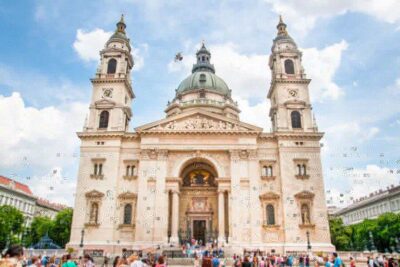
Budapest St. Stephen’s Basilica Skip The Line Tickets
Read our review →
Budapest Super Saver: Spa, Basilica Tour, and Danube Cruise
Read our review →
St.Stephen’s Basilica Grand Organ Concert Tickets
Read our review →
Browse the lists this tour appears in