
Reviewed · BUDA CASTLE
Budapest: The WWII Siege of Buda Castle & Bomb Shelter Tour
Budapest does something rare here. You start on Castle Hill and then move into WWII siege spaces where people actually tried to survive the cold and darkness. I like that the stories come from survivor recollections, and you follow them with your feet in the same Palace District.
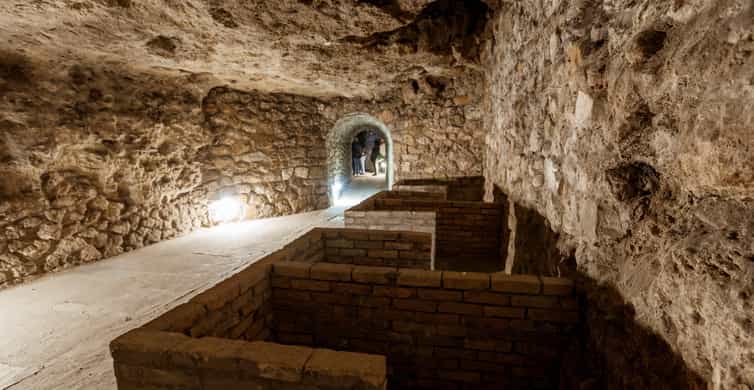
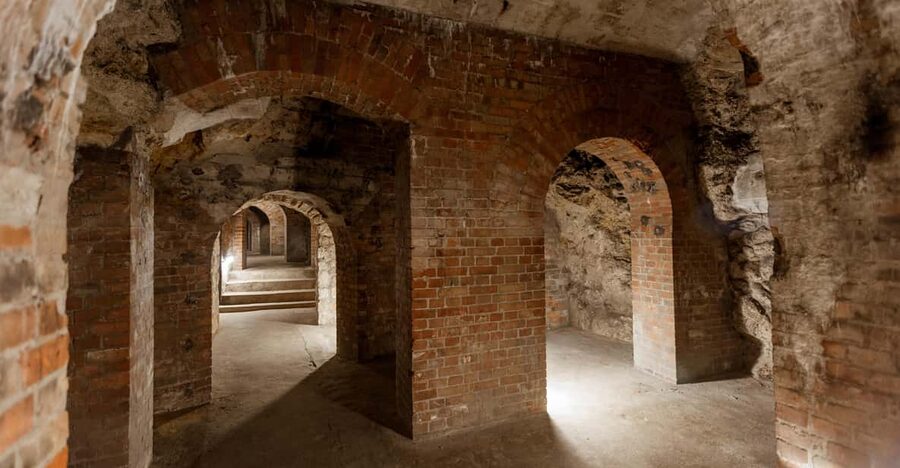
My other favorite part is the real-feeling underground visit. You see the Buda Castle Cave areas and visit an original bomb shelter plus a cellar setting, not just a quick photo stop. The result is history that feels physical, not abstract.
One thing to weigh first: this is not a stroll. The route includes steep stairs, narrow corridors, and wet cobbles, and it is not suitable for claustrophobia or mobility challenges.
Key highlights at a glance
- Castle Hill above ground, caves below: you get both street-level context and underground shelter experience
- 52-day siege story, place by place: Christmas Eve 1944 start to the siege’s brutal stretch of time
- Underground temperature reality: expect about 12°C (54°F) year-round in the caves/cellar
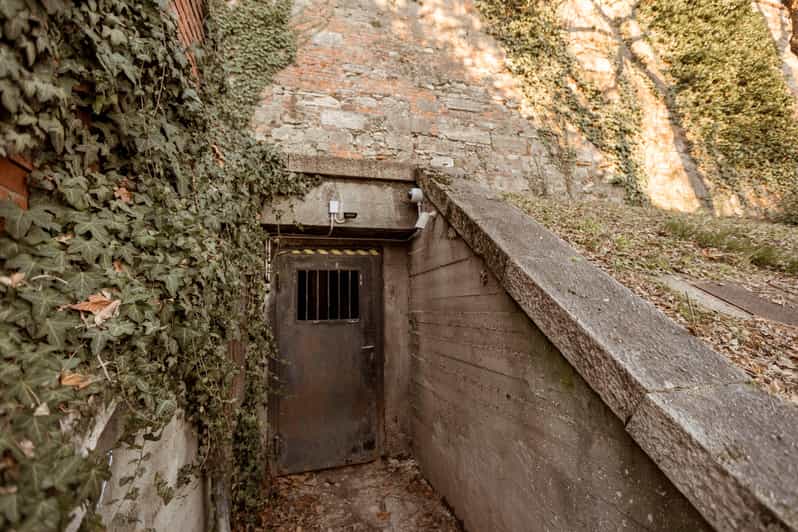
- Authentic bomb shelter visit: an original WWII shelter and cellar help you grasp what refuge meant
- Guides keep the pace understandable: multiple guides are praised for holding attention with clear, detailed storytelling
Why Buda Castle caves turn WWII into something you can feel
The Siege of Budapest is often described with big, cold numbers. This tour makes those numbers human. On Christmas Eve 1944, the Soviet Red Army encircled German-occupied Budapest, and the siege of the Hungarian capital began, lasting 52 days. From there, the focus is simple and heavy: tens of thousands tried to endure the terror underground.
What I like is how the tour ties the suffering to real constraints. People faced cold, lack of water and food, darkness, overcrowding, and disease. You do not just hear that. You move through a cave system and shelter spaces that match the setting those civilians, soldiers, and the wounded were trapped in.
The Stalingrad comparison also hangs in the air for a reason. Siege warfare is about attrition and helplessness, and the tour uses that context to explain why people reach for the Stalingrad analogy. You leave understanding that this was not a battle that “happened somewhere else,” it was a disaster unfolding under and around the Royal Palace district.
More of the Castle District:
- Budapest: Buda Castle Cave Tour
★ 4.7 · 5,677 reviews - Budapest: Buda Castle District Vampires and Myths Night Tour
★ 4.6 · 3,830 reviews - Budapest: Buda Castle Walk with Saint Stephen’s Hall
★ 4.5 · 3,012 reviews
Where you start at Dísz tér 15, and how not to lose the group
Your tour begins at De la Motte-B.-Palace, Dísz Square 15 (Dísz tér 15), right by the Posta building at the big green gate. Look for the guide or colleague carrying a turquoise umbrella with the Buda Castle Walks logo. Start time is prompt, so plan to arrive a bit early to avoid stress.
This matters more than you might think. The walking route is paced for people who are on time and ready for hills, stairs, and uneven surfaces. A late arrival means you can be left behind, and once the group starts moving toward the caves, you do not want to be chasing.
Also, I find this kind of tour goes smoother when you treat it like a short hike, not a museum visit. Wear shoes that grip. Then dress in layers. Even in summer, the cave spaces are around 12°C (54°F) year-round.
Úri Street and the Castle District approach: context before the underground
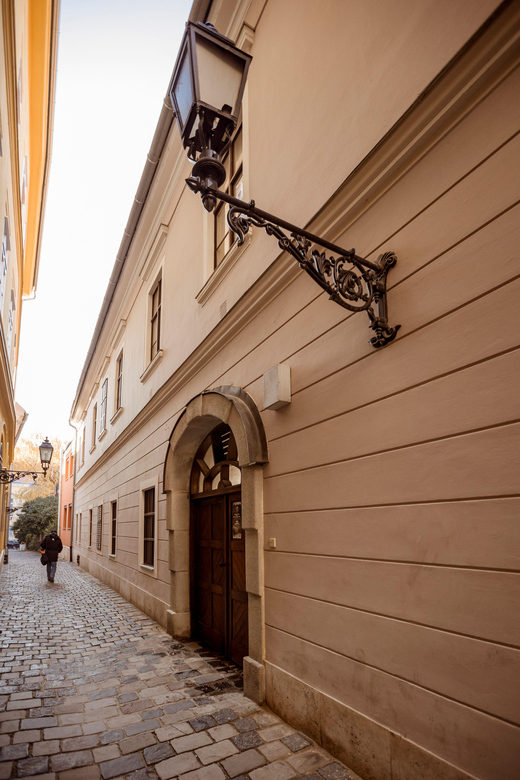
After meeting, you head along Úri Street as part of the Castle District walking portion. This above-ground time is not filler. It helps you understand what the area looked like before it became a refuge network, and why the Castle Hill location made the shelter system so important.
You also get “street-level history cues,” the kind you might miss if you only focus on the big monuments. For example, one of the most useful takeaways from the tour experience is how guides point out traces of the siege that are still visible in the area. A review mentioned bullet holes and secret doorways, plus ventilation shafts running upward from public shelters. Even if you do not spot all of them yourself, the guide’s pointers train your eye for what to look for later.
And yes, you will walk. The route winds over cobbled streets in areas that are dark but illuminated, and the movement is part of how the story lands. If you’re the type who likes to connect stories to geography, this section helps you build that map before you go underground.
Into the Buda Castle Cave (around 35 minutes): what the cave system actually changes
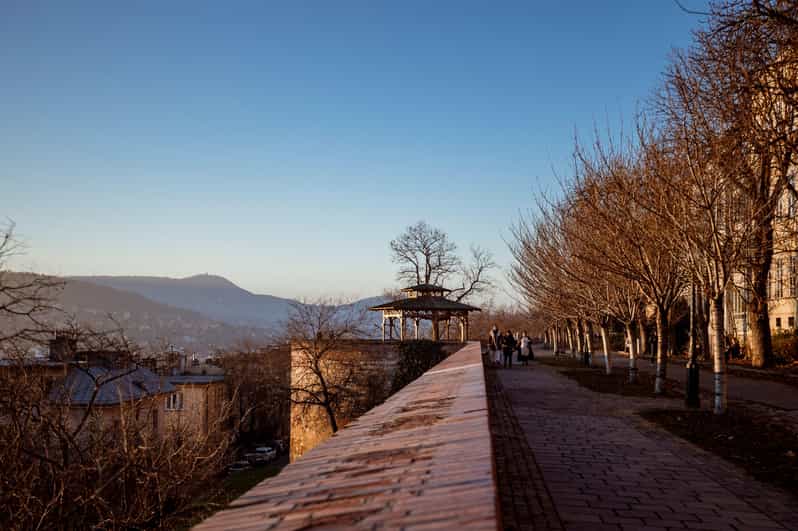
The tour’s first major underground stop is the Buda Castle Cave experience, listed for about 35 minutes. This is where the tour shifts from explaining to showing. You follow your guide through cave areas beneath this historic district, and the physical tightness of the space does the emotional work for you.
The biggest “real world” factor is temperature. The cellar and cave spaces are roughly 12°C (54°F) all year. That is cool enough that you will feel it, especially if you are coming from open air on Castle Hill. Layers are key, and warm clothing makes a noticeable difference.
Next is lighting and sound. The caves and some darker areas are illuminated, but you should still expect that visibility is limited compared with the street. This also affects how you hear the guide, so pay attention early and keep your spot in the group.
Finally, there is the claustrophobia question. One review notes that tunnels can feel claustrophobic for some people. If that warning rings true for you, do not assume you will “be fine.” This is a cave system with narrow passages and solid, sometimes wet surfaces, and the tour is not designed for comfort-first navigation.
A different sort of Budapest afternoon:
- Budapest: City Highlights Sightseeing Cruise
★ 4.6 · 43,981 reviews - Budapest: Unlimited Prosecco, Beer and Aperol Spritz Cruise
★ 4.8 · 37,304 reviews - Budapest: Széchenyi Spa Day Ticket with Optional Upgrades
★ 4.3 · 23,911 reviews - Budapest: Nighttime or Daytime Sightseeing Cruise
★ 4.2 · 21,062 reviews
Lovas Way and the transition between stories: staying oriented while it gets darker
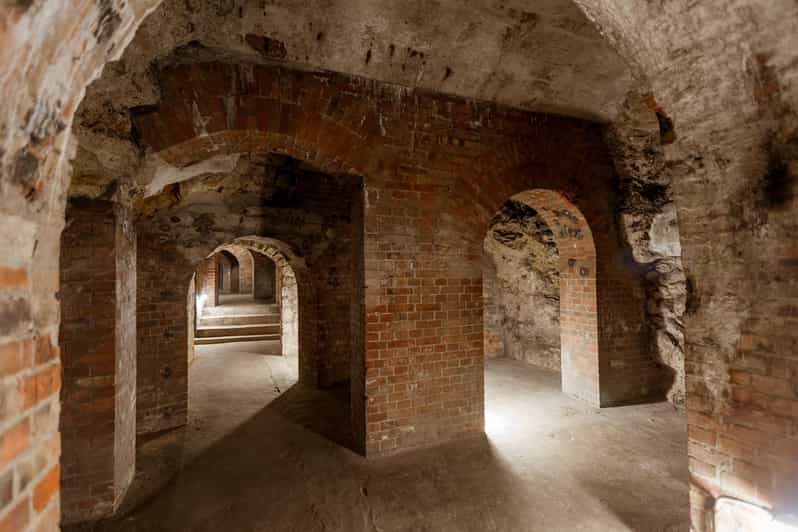
Between stops, you walk along Lovas Way. This stretch functions like a bridge in the story. You move from one set of visuals and explanations to the next, and the guide uses the time to connect what happened during the siege to the refuge system under the Castle.
This is also where pacing becomes part of the value. The tour is long enough to matter, but short enough that you do not get numb. Reviews repeatedly point out that guides keep people engaged and listening, and that is important here. WWII siege stories can be emotionally intense, and you want a guide who helps you follow the thread.
There’s also a practical benefit. During these walking transitions, you can catch your breath, adjust layers, and settle yourself mentally for what comes next underground. If you come in prepared, the tour feels structured. If you come in underdressed or unready for stairs, you’ll feel it quickly.
The cellar and authentic bomb shelter visit: survival in cold, darkness, and crowding
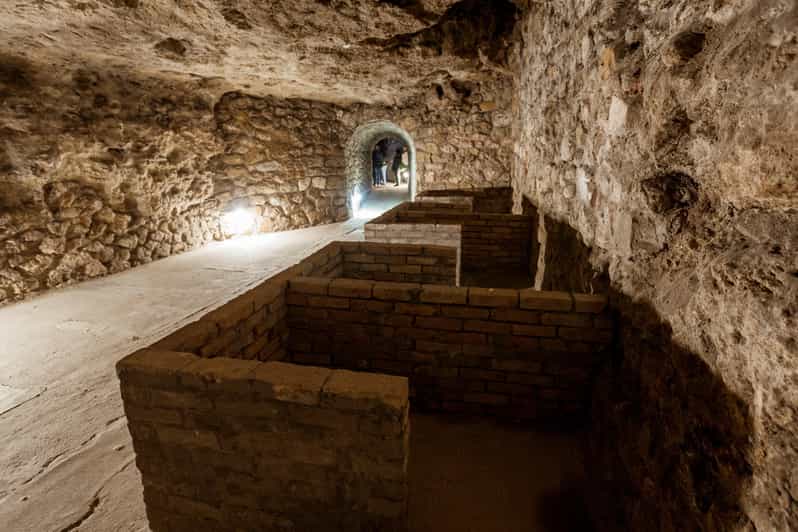
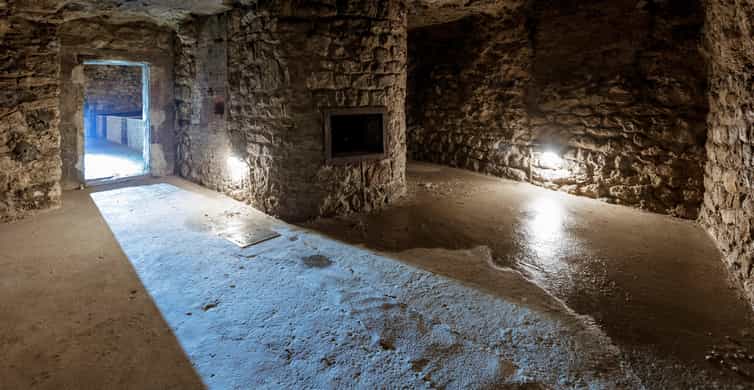
The heart of the experience is the underground labyrinth tour, including a cellar and an authentic Second World War bomb shelter visit. The tour description makes it clear that the shelter system was used by German and Hungarian soldiers, the wounded, and civilians. That mix matters, because it changes the tone from “military story” to “everyone was trapped together.”
This is where the siege becomes concrete. The tour describes the hellish conditions: cold, lack of water and food, darkness, overcrowding, and disease. When you’re standing inside a WWII shelter space, those themes stop sounding like generalities. You can start to understand why people clung to the Royal Palace district even when it was under siege. The area was home, and the underground spaces were the best chance anyone had.
One detail I really appreciate is that the guide attention is not only on what happened, but how people tried to salvage their lives and possessions, and how they tried to protect the treasures of the Royal Palace. That human angle is what prevents the tour from turning into just a list of horrors.
And in case you’re wondering about audio: reviews mention that personal headphones were provided and that it helped you not miss anything. That’s a big deal in caves, where wind, distance, and echoes can make traditional group listening harder.
The emotional weight, and why short tours can still leave a mark
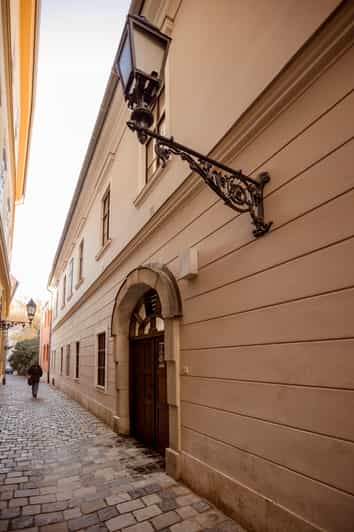
This tour can be emotionally heavy. One review specifically notes it was incredibly sad and difficult emotionally. The siege story is not tidy. It is not just strategy maps. People experienced death terror, cold hardship, and illness while they waited for the siege to end.
That said, the tour’s length helps. At 90 minutes (about 1.5 hours), you get enough time to follow the story and go underground, but you’re not stuck for half a day. Reviews also praise the “perfect length,” which makes sense for an experience that involves stairs, uneven ground, and emotionally intense context.
If you like history but hate being bored, this format works. It’s walking plus storytelling, and the physical environment supports the narrative. If you’re the kind of traveler who likes to do one “meaningful” thing per day, this fits that role well.
Price and value: is $24 worth it?
At $24 per person for a 90-minute English walking tour, the value is strong, especially because you’re getting more than a surface sightseeing stop. You’re paying for an English guide, a Castle District walking component, and time underground inside cave and shelter areas. You also get an educational structure that connects the siege timeline, Christmas Eve encirclement, and the 52-day stretch to the underground refuge network.
Is it a bargain? It depends on your travel style. If you expect big-ticket museum extras or a long day, you might feel it is “short.” But if you want a focused, immersive WWII experience without a full day commitment, $24 can be a smart use of your time in Budapest.
I’d also call out one value marker you can’t see in the brochure: guide quality. Reviews name guides including Rita, Jonas, Kopp, Balacsz, and Cop, and they consistently describe guides as engaging and able to answer tangential questions. When a guide can explain the before, during, and after context clearly, the tour feels worth the price fast.
Who this tour is best for (and who should skip it)
This tour is recommended for ages 14 and up. It is held in all weather conditions, with an outdoor and indoor mix. That means you should pack for rain and damp cobbles, even if the sky looks friendly when you start.
It is not suitable for people with mobility impairments, wheelchair users, or anyone with claustrophobia. If any of those apply, respect it. The tour winds on cobbled streets and includes steep stairs and narrow corridors. Solid, sometimes wet surfaces are part of the experience, so comfort is not optional here.
Who should go?
- You enjoy WWII history, especially the Siege of Budapest focus
- You like tours that connect story to location and help you spot what to notice later
- You’re comfortable walking for about 90 minutes and dressing for cool caves
Also, if you’re a solo traveler, there’s a good chance you’ll be in a smaller group. One review described a private-style experience when only one booking was made that day. That kind of small-group feel can make Q and A easier and listening more natural.
Practical tips so you enjoy the caves instead of bracing for them
Bring comfortable shoes with grip. You’ll walk over cobbles and climb stairs. Bring warm clothing even in mild weather because the cave temperature is about 12°C (54°F). Pack water and snacks so you can handle the steady walking and keep your energy steady.
Try to arrive early enough to settle your nerves at the start point. Reviews also note that the meeting place can be hard to find if there’s construction, so a little buffer time helps. Once you’re on the route, the guide’s cues should keep you oriented.
And mentally: accept that this is both outdoors and indoors. You will change environments a few times. If you come in treating it like a calm stroll, the cave sections may feel like a surprise. If you treat it like a short, serious walking experience, it clicks.
Should you book this WWII siege cave and bomb shelter tour?
Book it if you want a high-impact WWII experience that is more than a lecture. The combination of Castle District walking plus underground cave and an authentic bomb shelter visit gives you a strong sense of what refuge looked like during the 52-day Siege of Budapest. At $24 for 90 minutes, it also feels like good value if you like guided context and physical storytelling.
Skip it if you cannot handle narrow corridors, steep stairs, or the emotional weight of siege accounts. It is also a no if claustrophobia is a real issue for you. If you do fit the recommended profile, this tour is one of the best ways to understand why the siege gets compared to Stalingrad, not just as a phrase, but as a lived reality.
FAQ
How long is the Budapest WWII Siege of Buda Castle and Bomb Shelter Tour?
The tour lasts 1.5 hours, which is about 90 minutes.
How much does it cost?
It costs $24 per person.
Where do I meet the guide?
Meet at De la Motte-B.-Palace, 1014 Budapest, Dísz Square 15 (Dísz tér 15), next to the Posta building at the big green gate. Look for the colleague with the turquoise umbrella and the Buda Castle Walks logo.
What language is the tour in?
The tour is in English with a live guide.
Is the tour mostly indoors or outdoors?
It is both an outdoor and indoor program.
What should I bring?
Bring comfortable shoes, warm clothing, snacks, and water.
Is it suitable for kids or for people with claustrophobia?
It is recommended for ages 14 and upwards. It is not suitable for children under 14, people with claustrophobia, or wheelchair users, and it is not suitable for people with mobility impairments.
Newest reviews from Budapest
- Private Tour Around Budapest★ 5.0 · 10 reviews
- Born Under The Red Star – Communist tour with Coffee in a Retro Bar★ 5.0 · 10 reviews
- Live virtual walking tour in the Buda Castle quarter★ 5.0 · 10 reviews
- Taste Budapest – Fat Boy Foodies Walk★ 4.5 · 10 reviews
- Wine & Food Tasting Cruise on the Danube★ 3.5 · 10 reviews
- Private Transfer from Budapest to Prague with 2 hours for sightseeing★ 4.5 · 10 reviews
- The Real Saw | Escape Room by PÁNiQ SZOBA★ 4.1 · 10 reviews
- City Park True Crime of Hungary and Night Walk Tour in Budapest★ 5.0 · 10 reviews
Buda Castle, compared.
Buda Castle District Vampires and Myths Night Tour
Read our review →
Buda Castle District Dark History, Legends and Vampire Night Tour
Read our review →
Buda Castle District Walking Tour with a Historian
Read our review →

Walking tour in the Buda Castle incl. Fisherman’s Bastion
Read our review →Browse the lists this tour appears in