
Reviewed · ART NOUVEAU
Art Nouveau Tour in Budapest: 3-Hour Private Tour
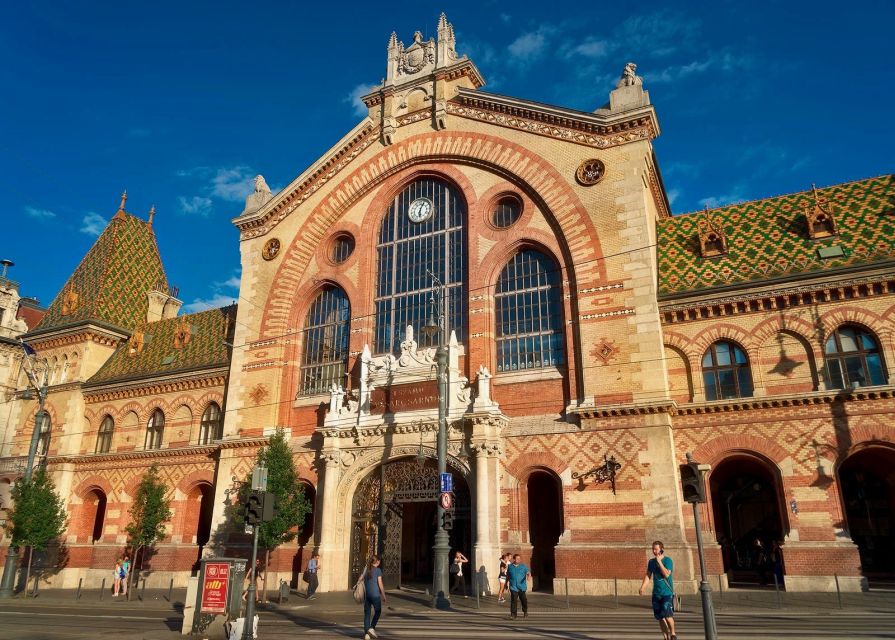
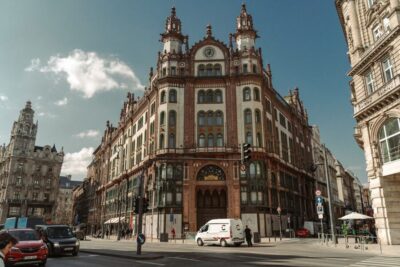
Art Nouveau in Budapest is interesting because it turns ordinary streets into a story you can read with your eyes. You’ll walk through the late 1890s to early 1900s heyday of Pest and learn how design became a point of pride, not just decoration. It is the kind of tour where you start noticing patterns, symbols, and building choices that you would otherwise miss.
I love the way the guide explains why the facades look the way they do, especially the Secession style (szecesszió). I also like that you’re not stuck with one big highlight, you get a mix of Art Nouveau architecture plus the smaller details the movement used, including folk-inspired motifs and the symbolism seen on public buildings like beehives.
The only real drawback to plan around is comfort and access. This is a 3-hour walking tour and it is not suitable for people with mobility impairments, so you’ll want to make sure you can handle steady walking and standing.
Key things I’d pay attention to
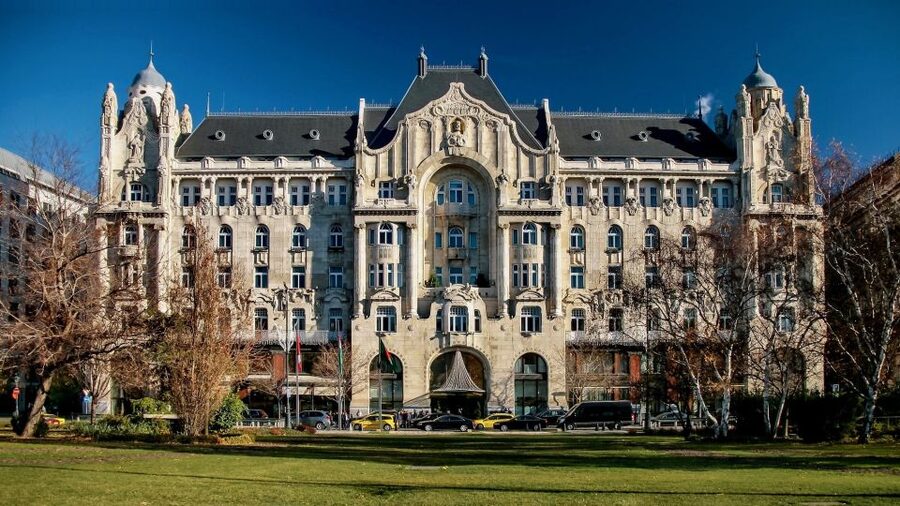
- Secession (szecesszió) explained so the style name makes sense in Hungarian context
- Decorative late-19th-century facades tied to meaning, not just looks
- Folk motifs in architecture, showing how Hungarian culture shaped Art Nouveau design
- Beehives on public buildings, where symbols are part of the architectural language
- Hidden treasures you might not find on your own with a private guide steering the route
Art Nouveau Budapest is really about how a city thinks
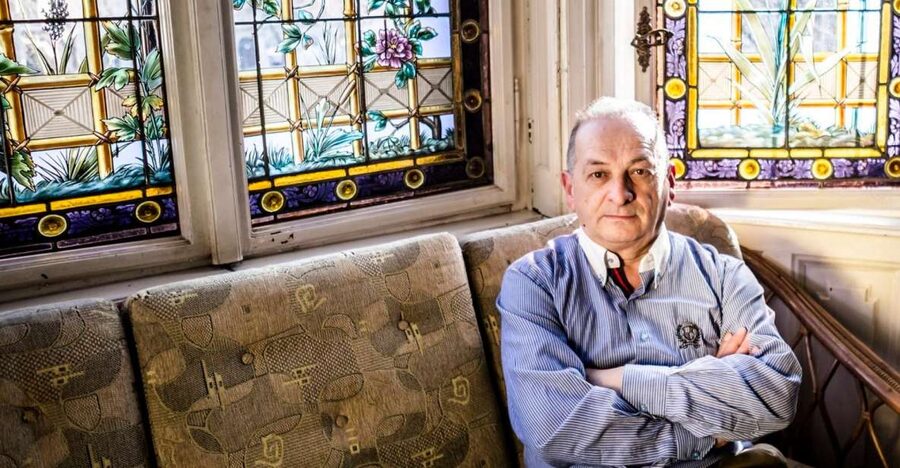
Budapest’s Art Nouveau is not just a pretty style. It is an attitude from a specific moment, when architects and designers wanted buildings to feel modern, but still rooted in local identity. This is why the tour focuses on the late 1890s and the early 1900s, when Pest was growing fast and people cared deeply about how the city would look.
You’ll also hear why Art Nouveau is called Secession, or szecesszió, in Hungarian. That name matters. It points to a break from older approaches, and it helps you understand why the ornament can feel bold, even a little theatrical. Once you grasp that, the facades stop looking random and start reading like a message.
I also like that the tour doesn’t pretend Art Nouveau exists in a vacuum. You get the “why” behind the movement in Budapest and how it affected the area, not just a list of pretty buildings. That makes it easier for you to connect the dots as you walk.
One practical note: you’ll be on your feet for about three hours. Comfortable clothes matter because you are outside most of the time, and comfortable shoes will keep the day enjoyable instead of painful.
More Art Nouveau walks in Budapest:
- Private Art Nouveau Tour Budapest
★ 5.0 · 21 reviews - Art Nouveau Treasures of Budapest – Exclusive Private Tour
★ 5.0 · 18 reviews - Budapest Art Nouveau Walking Tour
★ 5.0 · 17 reviews
The 3-hour private flow, and what each chunk is for
This is a private tour, so the pacing is set for your group and your questions. That matters because Art Nouveau is the kind of subject where one small detail can lead to a big explanation. If you like architecture, you’ll probably find yourself asking why certain shapes, patterns, and symbols are used.
Here’s how the tour experience typically comes together, based on the topics covered.
Meeting your guide and starting with context
You’ll be picked up at your accommodation in Budapest. From there, you go together to the first stop. This “start from where you are” style is a real time-saver, especially if you are staying in a central area and want to use your first hours wisely.
The guide also sets expectations early, so you know what to look for. You will learn what makes late 19th-century facades so decorative, and you’ll get a heads-up on the kinds of clues the city uses, like Hungarian folk-inspired motifs and symbolic details.
Street-level architecture reading, outside the classroom
A big part of this tour is learning how to see. Instead of treating Art Nouveau as a single look, you’ll connect the facade design choices to the movement’s ideas and to Budapest’s local history. The tour specifically explains why those facades are so ornamented, so you can stop thinking of decoration as leftover “extra” and start treating it as information.
If you like to travel with a “what am I looking at” checklist, this section does that work for you. By the time you move to other stops, you’ll already have a lens.
A different sort of Budapest afternoon:
- Budapest: City Highlights Sightseeing Cruise
★ 4.6 · 43,981 reviews - Budapest: Unlimited Prosecco, Beer and Aperol Spritz Cruise
★ 4.8 · 37,304 reviews - Budapest: Széchenyi Spa Day Ticket with Optional Upgrades
★ 4.3 · 23,911 reviews - Budapest: Nighttime or Daytime Sightseeing Cruise
★ 4.2 · 21,062 reviews
Public building symbols, including the beehives
One of the more intriguing topics on the tour is symbolism on public buildings, including beehives. That’s a great angle because it pushes Art Nouveau beyond curves and flowers and into cultural meaning.
You’ll hear what beehives symbolize on Budapest’s public buildings, and how those visual messages fit into the broader approach of the movement. Even if you’re not an architecture nerd, symbols are usually what make the style stick in your memory. They also give you something to point out later while you explore on your own.
A lesson on the skyline, plus why Budapest stayed different
The tour also covers why there are no skyscrapers in Budapest. Even if you do not get a long technical lecture on the spot, it’s a useful framing idea: Budapest’s architecture choices are shaped by more than just design taste. You’ll take away a stronger understanding of how the city’s historical development influenced what could and couldn’t happen.
For many people, this is the moment when the tour stops being only about the “look” and becomes about the “story.”
Architects and the stories behind the work
Expect fascinating tales about the architects behind the buildings. This is where Art Nouveau becomes human. Architecture can feel abstract until you learn a bit about the people and what they were trying to do.
If you have a question in your head, don’t hold it in. The tour is set up for back-and-forth, and strong feedback highlights that guides handle individual questions well. That makes the final portion feel less like being shown sights and more like having a real conversation with an expert.
Finish with notes you can actually use later
Included materials like notebooks and pens mean you can write down the details you want to remember. Printed materials also help you review what you learned after the walk, which is especially helpful for a topic as visual as Art Nouveau.
Why private guide access matters more than you think
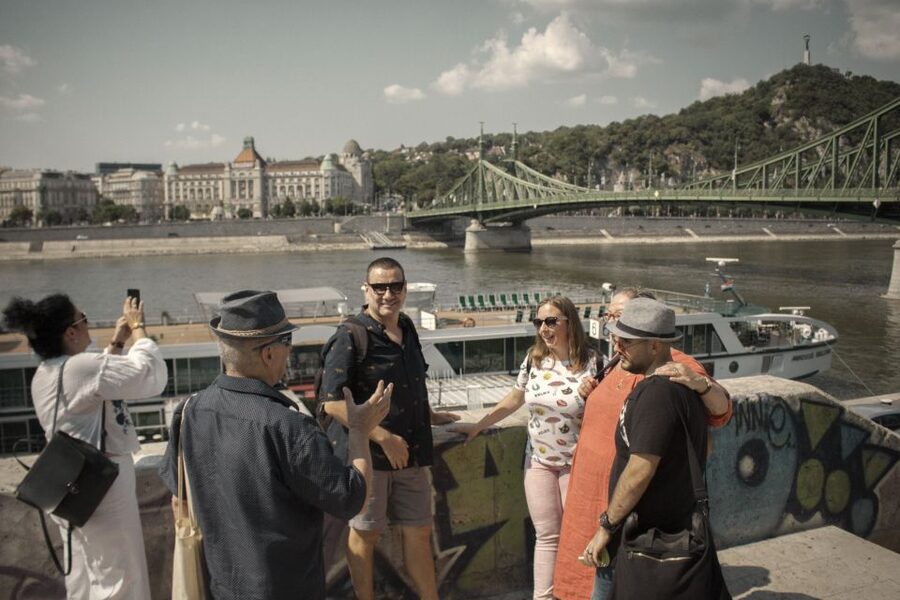
Budapest is one of those cities where architecture is everywhere, but understanding it is not automatic. A self-guided walk can be fun, but it is easy to miss the “why.” This tour leans into that, and the private format makes a difference.
When your group is private, you can go slower at the buildings that catch your eye and get extra explanation where you are curious. Feedback also points to guides who are flexible, friendly, and quick to answer questions about both architecture and Hungarian culture.
One name that comes up often in the guide experience is Miklos. The consistent theme in feedback is that guides like Miklos explain buildings well and make the time fly, even on cold days. There is also mention of extra context like the underground and tram system alongside Art Nouveau buildings, which helps you connect the architecture to how the city actually moves through daily life.
That kind of linking is what turns a 3-hour walk into a memory you can reuse, when you later spot similar design choices in other parts of the city.
Secession and Hungarian folk motifs, the design logic you’ll start noticing
Art Nouveau in Budapest often looks like it is bursting with personality. That can make it tempting to treat the style as pure decoration. This tour tries to correct that instinct by giving you the design logic.
Secession (szecesszió), not just a foreign label
You’ll learn why the style is called Secession, szecesszió, in Hungarian. Once you understand the idea behind the word, a lot of design decisions stop feeling random. Instead, they feel like a choice to separate from something older.
This is also where you get cultural context. Budapest didn’t just copy a trend. The movement landed there and took on local meaning.
Folk motifs built into the architecture
The tour highlights how Hungarian folk motifs were built into Art Nouveau designs. That is a big deal because it tells you the style wasn’t only about international design trends. It was also about identity.
If you pay attention, you’ll likely find these motifs showing up as patterns and decorative elements that feel distinctly Hungarian rather than generic “European Art Nouveau.” It is the difference between seeing a pretty facade and recognizing cultural storytelling.
Why the facades look decorative in the first place
The tour explains why the facade of most late 19th-century buildings are so decorative. That is practical knowledge. It helps you avoid the common trap of thinking decoration was only about wealth.
With that explanation in mind, you’ll understand decorative choices as part of a bigger urban moment. Budapest was shaping itself, and the buildings were part of how the city communicated with itself.
Beehives and other symbols, how to read the city like a book
Symbols are where Art Nouveau becomes fun to “solve.” The tour includes the beehives detail on Budapest public buildings, and that sets you up to notice other visual clues even after the tour ends.
Here is the key practical takeaway: when you see a symbol, don’t just note it. Try to connect it to place and function. Public buildings use visible messaging because they are meant to represent the city to its people, not just to one buyer or one household.
If you keep that mindset while wandering after the tour, you’ll get more out of your extra hours in Budapest. Even without an official guide in your ear, your eyes will work better.
Why no skyscrapers becomes part of the architecture lesson
The tour includes a specific explanation for why there are no skyscrapers in Budapest. Even if you are not expecting a zoning or engineering lecture, it’s still valuable.
Design style often gets discussed like it is only about taste. This tour adds another layer: city planning, historical development, and building choices shape the skyline. It makes you view Art Nouveau as one piece in a broader urban equation.
That framing is useful because it keeps you from treating the movement as the whole story. Instead, you get a more realistic sense of how Budapest grew, what it prioritized, and why certain built forms remained unusual there.
Price and value: what $127 per person is buying
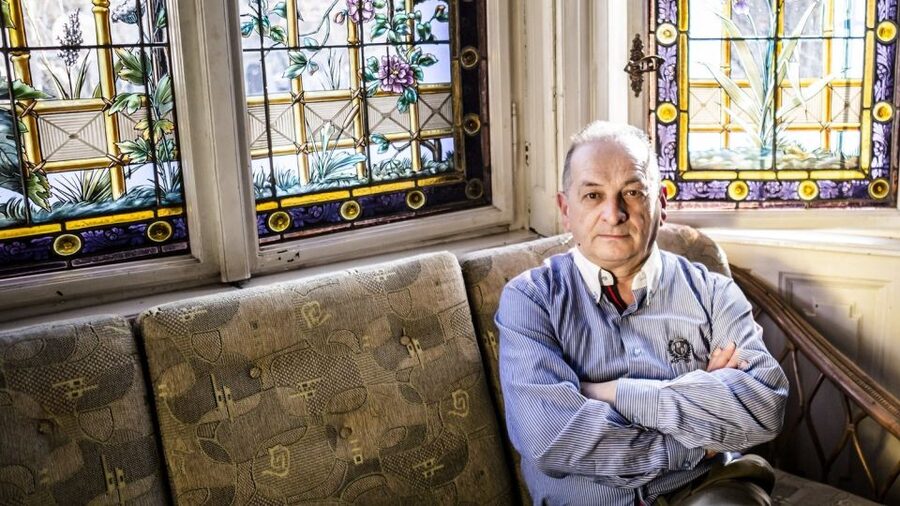
At $127 per person for a 3-hour private tour, the price is not “casual.” This is a more premium way to see Budapest architecture.
So what are you really paying for?
First, you’re paying for a private guide, not a group bus format. That means your questions can steer the pace, and the route can focus on details that matter to you. Second, you get pick-up at your accommodation, which saves hassle and makes the experience smoother. Third, you receive materials, notebooks, and printed material that help you remember what you learned.
Is it worth it? It tends to be a smart buy if you:
- care about architecture and want meaning, not just photos
- want someone to explain symbolism like beehives and the idea behind Secession
- are visiting for the first time and want a high-quality orientation to Budapest’s design history
If you prefer wandering with no structure and you’re happy using free resources on your own, you might choose a cheaper self-guided route. But if you want the “read the city” effect, the private format is where the value shows up.
Also, the tour duration is tight at three hours. That is good for visitors with limited time. You get a lot of focus without the fatigue of a half-day lecture.
What to wear, and how to get the most out of the walk
This tour is designed for comfortable movement. Bring comfortable shoes and comfortable clothes. That sounds obvious, but with architecture tours the wrong footwear can turn the day into an endurance test.
Also, think about your question style. If you like asking “why” questions, this tour supports that. If you ask in advance what you care about most, you’ll get more tailored explanations. And with a private group, you don’t have to wait for your turn.
You’ll also want to bring a phone for photos, but don’t let the camera become the only attention tool. The tour’s best value comes from noticing patterns and symbols at street level, then using the guide’s explanations to lock them in.
Who should book this Art Nouveau tour in Budapest
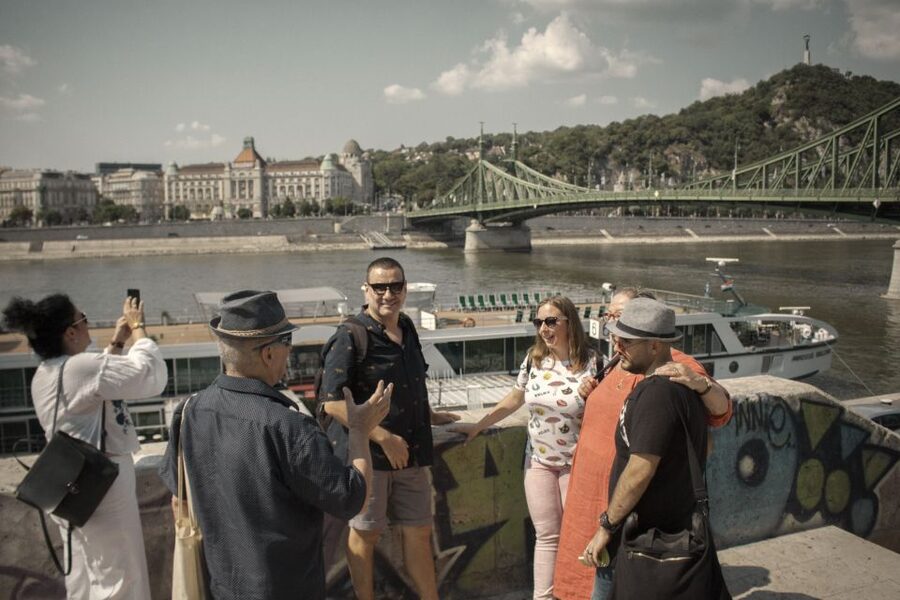
This is a good match if you:
- are interested in architecture and want the story behind the buildings
- like history that shows up in everyday places, streets, and facades
- want a route that includes more than the obvious sights
- enjoy cultural details like Hungarian folk motifs in design
It may not be the best fit if you:
- need a fully accessible route for mobility reasons
- want a purely photo-based walk with minimal explanation
- expect food stops or a long break. Food and drink are not included.
Should you book this Art Nouveau Budapest tour?
If you like your travel with context, this one is an easy yes. You get a focused Art Nouveau lesson in Secession style, with symbolism you can remember, like beehives on public buildings, and with cultural details such as Hungarian folk motifs. The private format, plus pick-up at your accommodation, makes the experience feel smooth and personal.
I’d only hesitate if mobility is an issue for your group or if you know you want a no-frills wandering style. Otherwise, for $127 per person, the combination of a deep architecture guide, three focused hours, and practical materials is strong value.
FAQ
How long is the Art Nouveau tour in Budapest?
The tour lasts 3 hours.
Is this a private tour, and do you get picked up?
Yes, it is a private group tour. Pickup is included, and your guide will meet you at your accommodation in Budapest.
What languages are available for the live guide?
The live tour guide is available in English, German, and Albanian.
What’s included in the tour price?
You get notebooks, pens, and printed material.
Is food, drinks, or transportation included?
Food and drink are not included, and transportation is also not included.
What should I bring or wear?
Wear comfortable shoes and comfortable clothes.
Is the tour suitable for people with mobility impairments?
No, it is not suitable for people with mobility impairments.
Newest reviews from Budapest
- Private Tour Around Budapest★ 5.0 · 10 reviews
- Born Under The Red Star – Communist tour with Coffee in a Retro Bar★ 5.0 · 10 reviews
- Live virtual walking tour in the Buda Castle quarter★ 5.0 · 10 reviews
- Taste Budapest – Fat Boy Foodies Walk★ 4.5 · 10 reviews
- Wine & Food Tasting Cruise on the Danube★ 3.5 · 10 reviews
- Private Transfer from Budapest to Prague with 2 hours for sightseeing★ 4.5 · 10 reviews
- The Real Saw | Escape Room by PÁNiQ SZOBA★ 4.1 · 10 reviews
- City Park True Crime of Hungary and Night Walk Tour in Budapest★ 5.0 · 10 reviews
Art Nouveau, compared.
Art Nouveau Treasures of Budapest – Exclusive Private Tour
Read our review →
Browse the lists this tour appears in