
Reviewed · MUSEUMS
Budapest: Budapest Retro Interactive Museum Ticket
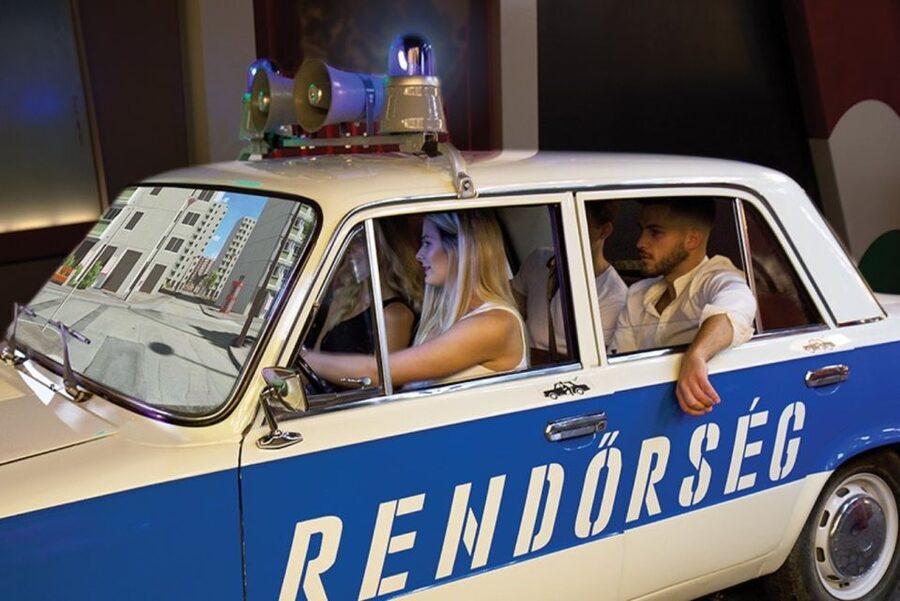
This museum works because it turns history into something you can touch, read, and try on. You follow the feel of everyday life behind the Iron Curtain, from apartments to school routines, without needing a textbook first. My favorite part is the hands-on format, especially the Lada police car simulator that lets you “patrol” a virtual housing estate.
I also like how the museum doesn’t just show objects, it stages scenes. The period TV news studio, with functioning vintage-style cameras, gives you a real sense of how broadcasts looked and sounded. One possible drawback to plan around: a portion of the information may not be in English, so if you want everything explained word-for-word, you might feel a bit lost in those spots.
Quick Hits: Budapest Retro Museum in Plain English
- Three floors of 1970s-80s daily life that feel like themed rooms, not a dead display.
- A functioning TV studio setup where you can read original communist-era news broadcasts.
- Vehicles, including motorcycles and renovated Soviet cars, plus the standout black Volga.
- The Lada police car simulator that sends you through a virtual Gazdagrét housing estate.
- An everyday apartment walkthrough with the “functionality first” design approach.
- Retro bistro on site for coffee, drinks, and pastries after you go through the exhibits.
Buying the Ticket: What $17 Really Gets You
At around $17 per person, this is priced like a focused museum experience, not a full-day tour with transport included. That said, the value comes from the format. You get a skip-the-line admission ticket, and you’re walking through a compact museum that’s designed for interaction.
Plan on 1 to 2 hours. That time window matters because this place rewards momentum. If you show up and only skim, you’ll miss the features that make it fun, like the simulator, the TV-studio reading area, and the apartment room that’s set up as a typical home of the era. If you’re the type who reads everything at a museum, build closer to the 2-hour end.
Tickets are valid for one day, and starting times can vary. There’s also “reserve now & pay later,” which is handy if you’re still tuning your Budapest schedule.
More museums in Budapest:
- Budapest: Cat Museum Budapest Entry Ticket
★ 4.4 · 2,210 reviews - Budapest: Light Art Museum Skip-the-Line Entry Ticket
★ 3.9 · 1,531 reviews - Budapest: Van Gogh Immersive Exhibition Ticket
★ 4.2 · 399 reviews
Walking In: Present Your Voucher and Get Your Bearings Fast
When you arrive, you’ll present your voucher at the Budapest Retro Interactive Museum desk. Do this even if you booked online, because that’s the step that converts your reservation into entry.
From there, think of the museum like a guided route you explore at your own pace. The exhibits are grouped in themed sections across three floors, so you don’t have to hunt for what’s next. If you’re visiting with kids, this layout is a plus because you can stop for a hands-on station without losing your place.
Also, keep expectations realistic. This is not a massive museum spread across acres. It’s tightly packed, which is part of the appeal. You get a lot of specific details about life in communist Hungary without spending your whole day in transit and queues.
Three Floors of Communist-Era Life: Rooms That Feel Like Time Travel
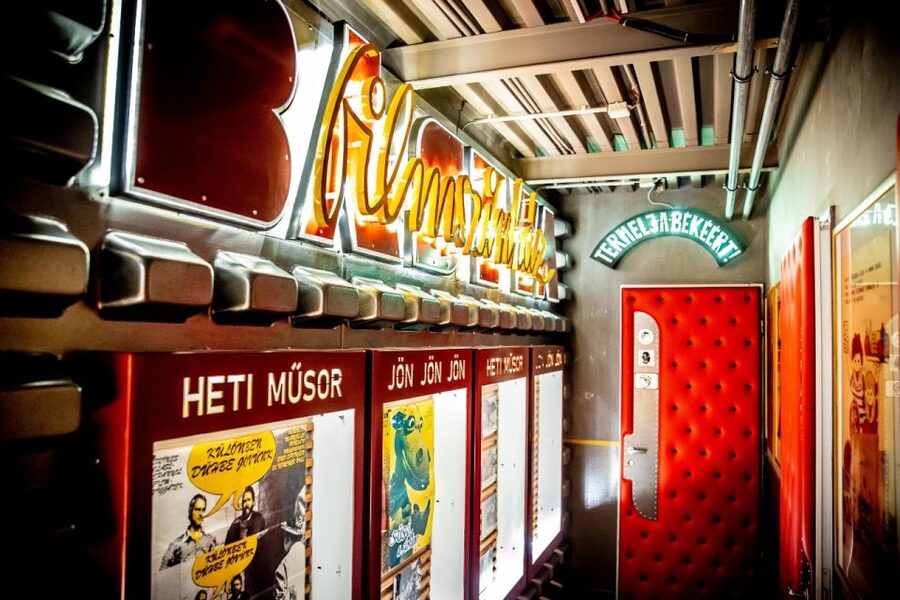
The museum’s heart is its three-floor journey through everyday life during the communist era, focusing on the 1970s and 80s. Instead of only covering political history, it leans into the stuff people actually dealt with: school routines, home life, media, and the familiar rhythm of community activities.
One of the most persuasive ideas here is the museum’s tone. It leans toward the relaxed, lived-in side of what people sometimes call goulash communism, meaning it’s not only dark or grim. You see how life worked on a day-to-day basis, including how social events and summer camps fit into the picture.
School Life, Pioneer Scarves, and Propaganda Songs
A key section explains how education worked in that era. You’ll see period details connected to the red pioneer scarves and the kinds of propaganda songs that shaped school routines. Even if you’re not into political history, this part lands because it’s practical, visual, and tied to daily behavior.
If you’re traveling with teens or kids, this is also a good entry point. They can understand it as “How did school look and feel then?” rather than “What did the government do?” It’s a simpler way to compare eras, and it makes the museum more approachable for different ages.
A different sort of Budapest afternoon:
- Budapest: City Highlights Sightseeing Cruise
★ 4.6 · 43,981 reviews - Budapest: Unlimited Prosecco, Beer and Aperol Spritz Cruise
★ 4.8 · 37,304 reviews - Budapest: Széchenyi Spa Day Ticket with Optional Upgrades
★ 4.3 · 23,911 reviews - Budapest: Nighttime or Daytime Sightseeing Cruise
★ 4.2 · 21,062 reviews
Community Time and Lake Balaton Camps
The museum also connects school life to broader community activity. You learn how families and youth participated in organized activities, including summer camps at Lake Balaton. This adds balance, because it shows how people built normal routines even inside a controlled system.
The Apartment Principle: Functionality First
One of the most memorable concepts is the design logic of the housing blocks. Square apartment blocks show up throughout cities, and the museum explains the idea of functionality first. You see how that translated into repeated household patterns like carpets, furniture, refrigerators, and TV sets.
Then you go into a typical apartment room that’s set up with everyday items from the period. This is where you get that “Oh, I understand what they meant” feeling. It’s not abstract. It’s domestic. For photography fans, this section gives you authentic visual context without needing to invent a scene.
Try On Vintage Outfits With the Interactive Mirror
If you enjoy lighthearted museum moments, don’t skip the interactive mirror. You can try on vintage outfits for photos. It’s not just a gimmick. The point is to help you physically connect with the era’s look and styling, which makes the rest of the exhibit feel more real.
And yes, it’s useful if you’re traveling with friends and want something fun to do at the same time you’re learning.
The TV News Studio: Reading the Past Through Period Cameras
A standout section is the period news studio. You’ll find a setup with two authentic, functioning TV cameras. The key experience is that you can read communist-era news broadcasts in this setting.
This is valuable because it turns media from an abstract force into a visible process. You see how the studio looked and what kinds of broadcasts were presented. Even if you don’t read every line, the atmosphere helps you understand that propaganda wasn’t only posters and slogans. It was also scheduled, produced, and delivered through “normal” daily viewing.
If your group is mixed, this is a great middle ground. People who love technology will enjoy the camera presence. People who prefer stories can focus on the text of the broadcasts and what was being emphasized.
Soviet Cars, Motorcycles, and the Lada Patrol Simulator
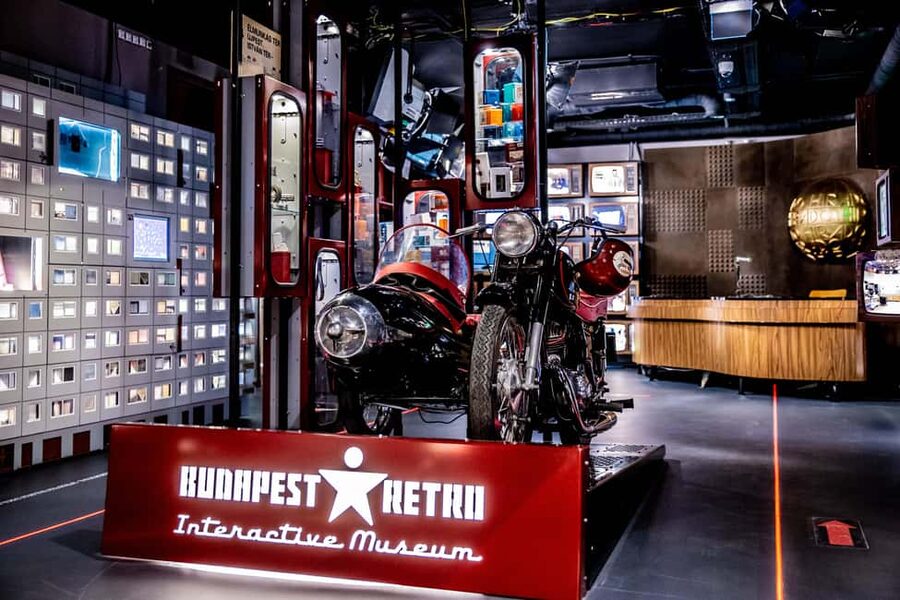
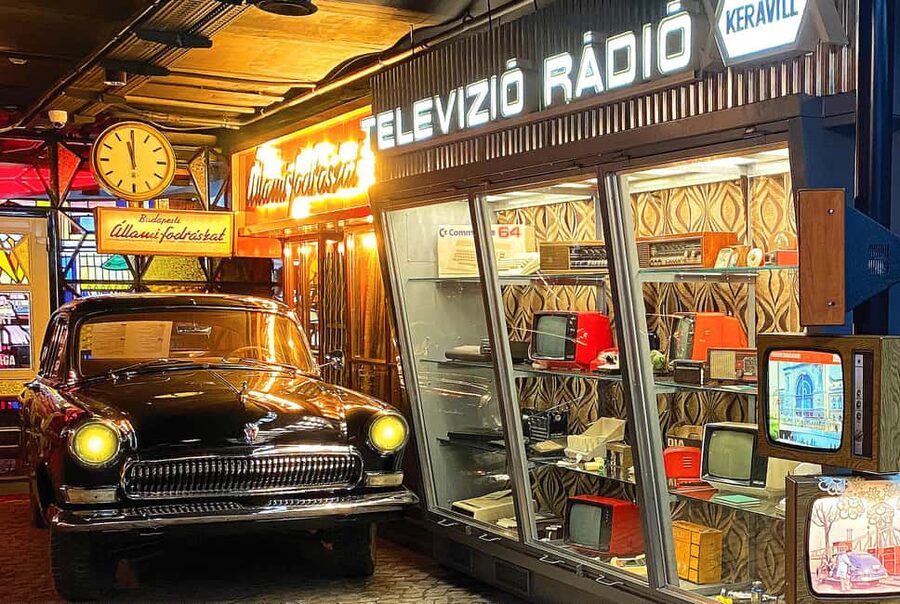
One of the highest-energy parts of the museum is transportation. There are nine motorcycles and three renovated vintage Soviet cars, including a distinctive black Volga.
This matters more than it sounds. Transport is one of the most visible parts of an era. When you connect cars and bikes to the rest of the exhibit, the museum stops feeling like random memorabilia and starts feeling like a slice of real life.
The Lada Police Car Simulator on Gazdagrét Streets
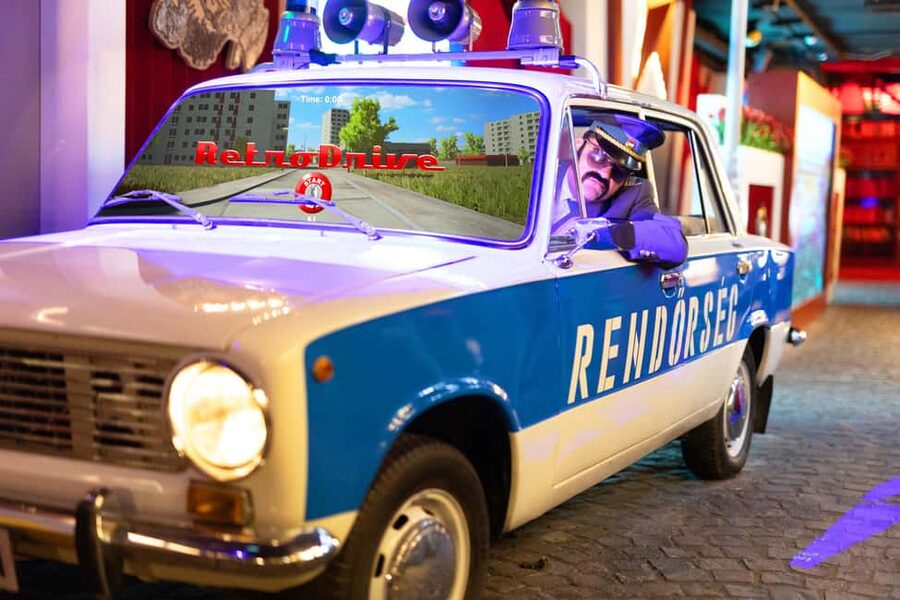
The highlight for many people is the Soviet-made Lada police car transformed into a simulator. You patrol a virtual version of Gazdagrét, a well-known Budapest housing estate known for its repetitive apartment rows.
This is where the museum’s interactivity does its best work. You’re not only watching how the era functioned, you’re moving through a simulated version of the environment it described. It’s interactive in a way that still fits the theme, not a detached video game corner.
If you’re visiting with kids or anyone who needs a break from reading, this is your reset button. Spend time here early or mid-visit so the energy stays up.
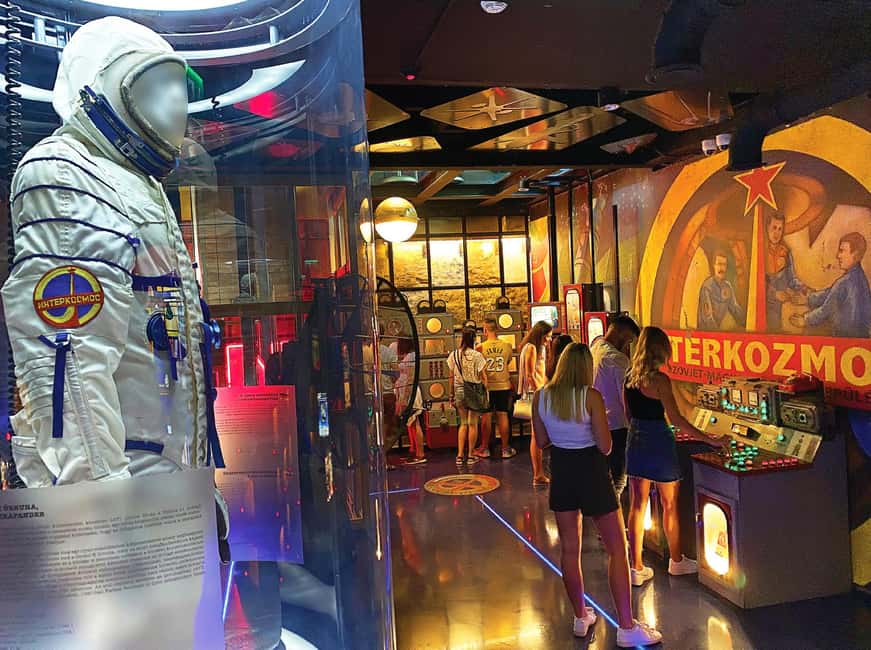
The Space Room: When Hungary Went to Salyut 6
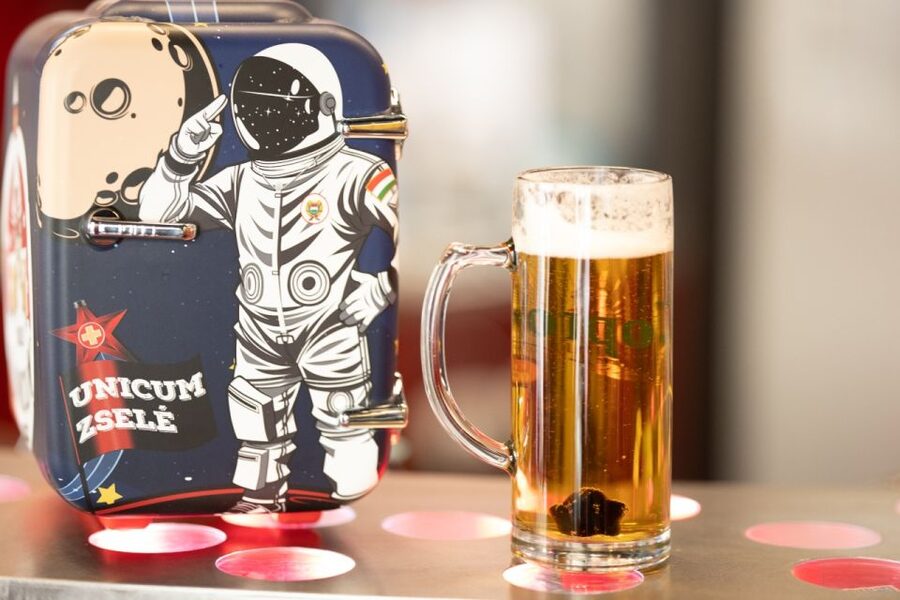
Another special exhibit focuses on a 1980 milestone: Hungary became the seventh nation to send an astronaut to space as part of a Soviet mission. You’ll see a dedicated room with a spacesuit and an interesting ceremonial detail: Hungarian folk art-patterned canned goulash that was presented as a gift to the Salyut 6 space station crew.
This section is a reminder that communist-era life included achievements people could point to with pride, even when the bigger political system was restrictive. It gives you a broader view of what residents were taught to value, beyond daily routine and domestic constraints.
Retro Bistro After Your Visit: Coffee and Pastries On Site
After you walk through the exhibits, there’s a retro bistro where you can get coffee, drinks, and pastries. The food is not included in the ticket price, but having it on site is practical.
This is also a nice pacing trick. If you’re visiting with a group, you can finish the exhibits, then regroup for a snack. The jukebox vibe helps keep the theme going without forcing you to leave the museum to find somewhere nearby.
Who This Works Best For (and Who Might Want Something Else)
This museum is designed for all generations and families with kids. The interactive stations, the TV studio, the police-car simulator, and the apartment room all give different entry points, so you’re not locked into one learning style.
It’s a great fit for:
- Families looking for an educational experience that still feels like play
- Friends who want something different from the usual Budapest museum lineup
- Anyone curious about how everyday life worked under the communist system, not just political events
- Travelers who like practical, visual learning over long lectures
It may be less ideal for you if you strongly prefer museums with fully English interpretive text throughout every room. Some sections may be harder to follow if you can only read English, and you might need to rely on the visuals and your own interpretation.
Practical Tips for a Smooth Visit
Here are the small choices that make the visit go better.
- Budget 1 to 2 hours. If you cram it into 45 minutes, you’ll likely miss the interactive stations that people love most.
- Hit the simulator and TV studio while your group’s energy is high. These are the experiences that tend to take the most “stand there and do it” time.
- Plan for some reading gaps. If you come in expecting every label to be fully explained in English, soften that expectation.
- Bring curiosity, not heavy expectations of a massive collection. The museum packs a lot into a compact space, and that’s intentional.
Should You Book the Budapest Retro Interactive Museum Ticket?
If you want an entertaining, hands-on way to understand communist-era life in Budapest, this is an easy yes. The skip-the-line access, the three-floor layout, and the standout interactions like the TV news studio and the Lada patrol simulator make the $17 price feel fair for what you actually do during your visit.
Book it if you’re traveling with kids, with friends who don’t all want the same kind of museum, or if you’re the type who learns best by seeing a “typical apartment” and then stepping into a staged, period-accurate setting.
Skip it only if you’re looking for a long, deep museum marathon or you need fully English text in every corner to enjoy yourself. If that’s you, you might feel constrained by the museum’s more mixed language experience.
If you’re on the fence, I’d still lean toward booking. This one is built for interaction first, and that makes it a memorable stop even when your schedule is tight.
Newest reviews from Budapest
- Buda Castle Private Walking Tour: A Kingdom of Many Nations★ 5.0 · 9 reviews
- Budapest Walking Tour: Explore Top Sights & Hidden Gems★ 4.5 · 9 reviews
- See the Hungarian Sea: Lake Balaton★ 4.5 · 9 reviews
- Transylvania Tour from Budapest to Bucharest: 4 days★ 5.0 · 10 reviews
- Luxurious, private day cruise with a waterlimousine to Szentendre★ 4.0 · 10 reviews
- Private Tour Around Budapest★ 5.0 · 10 reviews
- Born Under The Red Star – Communist tour with Coffee in a Retro Bar★ 5.0 · 10 reviews
- Live virtual walking tour in the Buda Castle quarter★ 5.0 · 10 reviews
Museums, compared.

Budapest Dohany Synagogue & Hungarian Jewish Museum & free extras
Read our review →
Skip the Line: Budapest Pinball Museum Admission Ticket
Read our review →

Trash Art Museum: Hungary’s First Scrap Metal Exhibition
Read our review →
Browse the lists this tour appears in