
Reviewed · MUSEUMS
Budapest: Mika Tivadar Secret Museum Entry Ticket
The Mika Tivadar Secret Museum is interesting because it turns one building on Kazinczy Street into a time machine. You get a compact, well-designed visit (around 30 minutes) plus a free 8-language audio setup on your phone, so you can move at your own pace and still understand what you’re seeing. The one thing to keep in mind is that it is not suitable for wheelchair users.
What I like most is how it links the museum house to the bigger story of the neighborhood, and how the place mixes major European names with very human details from everyday Budapest life. I also like that you can pair the history with a drink, since there is an onsite cocktail bar and restaurant right there.
Key things I’d highlight before you go
- First Hungarian hotel museum in a setting that feels more like a private story than a big, loud attraction
- Built for your phone with QR access to chapter audio and voice effects, plus free WiFi
- Kazinczy Street context that connects the museum to nearby buildings and the changing world around them
- Big names and odd details in the same small space, including figures like King Edward VII and Otto von Bismarck
- A drink break that fits the visit with a cocktail bar on site, handy for a reset mid-walk
- A surprisingly global angle that pays attention to multiple ethnic communities in Hungary, not only one viewpoint
Your 30-minute stop on Kazinczy Street, and why it feels like a time warp
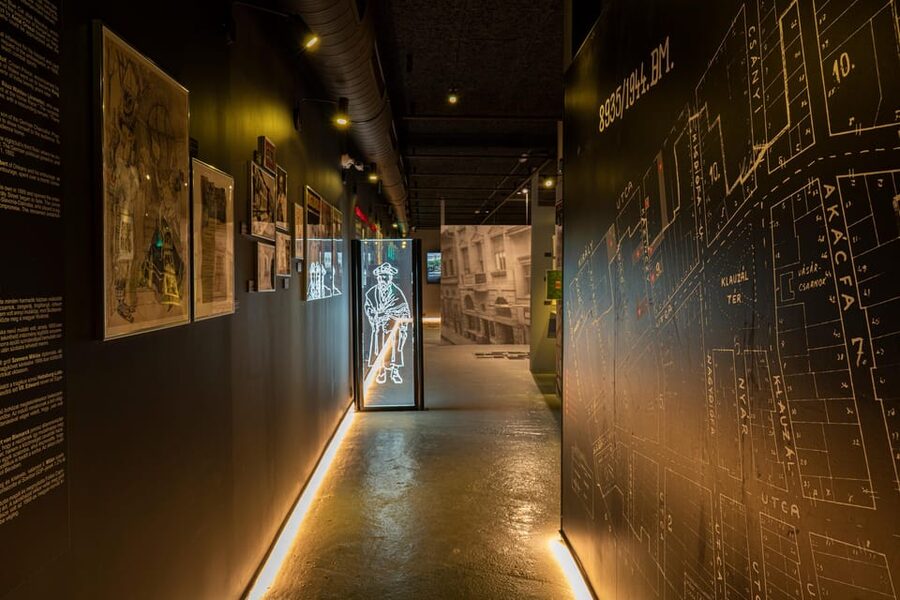
The Mika Tivadar Secret Museum sits on Kazinczy Street in Budapest, in the area people often treat like a quick walk between sights. This ticketed museum turns that habit into a proper mini visit. The whole concept is simple: you follow short chapters through an intimate 140 sqm space, and each chapter helps you picture how the neighborhood looked and lived from the late 19th century into the years between the two world wars.
Even if you normally skip small museums, this one has a trick that works. It doesn’t just describe the building. It also uses story-driven installations, photographs, and written narratives to make the surrounding streets matter. That means when you step back out onto Kazinczy Street, the place feels less like nightlife only and more like a layered city.
The experience is self-guided. You do not get a live museum guide. Instead, someone at the reception meets you, hands you a printed flyer, and gives a brief orientation. Then you scan a QR code on your phone and listen to the audio for each chapter. If your smartphone battery is low, charge up before you go, because the audio lives on your device. (You will also want to have enough signal for comfort, even though free WiFi is available inside.)
More museums in Budapest:
- Budapest: Cat Museum Budapest Entry Ticket
★ 4.4 · 2,210 reviews - Budapest: Light Art Museum Skip-the-Line Entry Ticket
★ 3.9 · 1,531 reviews - Budapest: Budapest Retro Interactive Museum Ticket
★ 4.4 · 569 reviews
Where to check in: Hotel Mika Downtown reception
Check-in happens at the Hotel Mika Downtown reception. That is the practical starting point, and it keeps the museum visit easy to fit into a day of sightseeing. If you are planning this after a walk through the Jewish Quarter or after time on the Pest side, you will appreciate how straightforward the meeting point is.
Once you arrive, the staff greet you and explain what you can discover. You get a printed flyer, then the museum chapters guide you through the story. You can keep moving at a calm pace, because the structure is designed for a short visit, not a marathon.
One more practical note: this museum is described as not suitable for wheelchair users. If mobility is an issue for you, it is worth considering an alternative nearby stop where access is easier.
The museum house itself: compact rooms, heavy storytelling
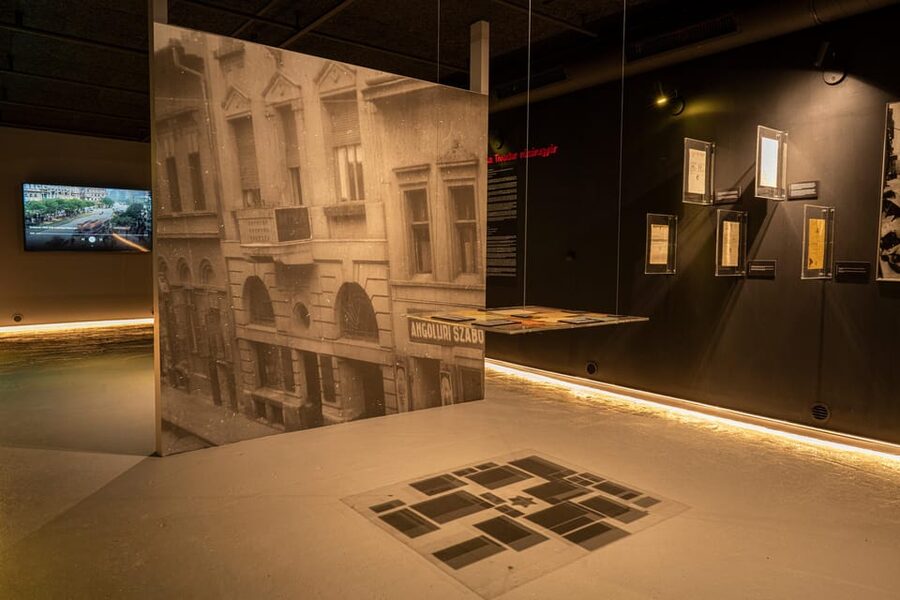
At 140 sqm, you are not dealing with endless halls. You are dealing with a tight set of spaces that squeeze a lot of context into a short visit. The design choice matters because it changes how you read the exhibits. You don’t feel like you need to rush, but you also don’t feel lost in a maze.
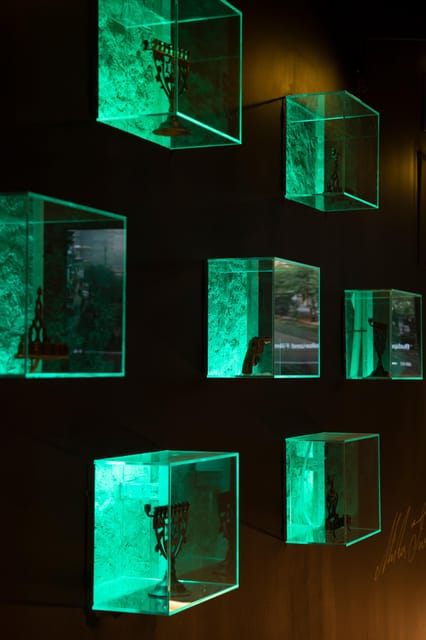
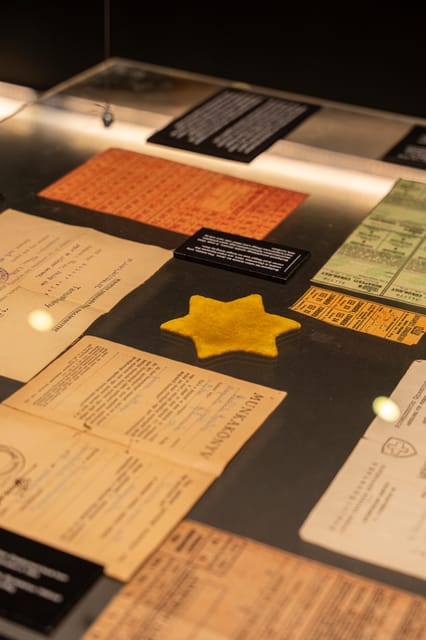
Inside, you’ll see authentic antique objects mixed with written explanations and photographs. The museum aims to cover the era from the late 1800s into the interwar years, and it uses those objects and images to keep the story grounded. The audio chapters include voiceovers and voice effects, which helps set the scene as you read. Several people love that there is background music that supports the mood while you go through the texts.
You can also expect the museum to emphasize how history played out in a city with multiple ethnic communities. That approach is one reason the museum can feel personal even if you are not Hungarian. It’s not only a national story. It’s a story about people living side by side, and the way European politics and power shaped daily life.
How Kazinczy Street becomes the real star
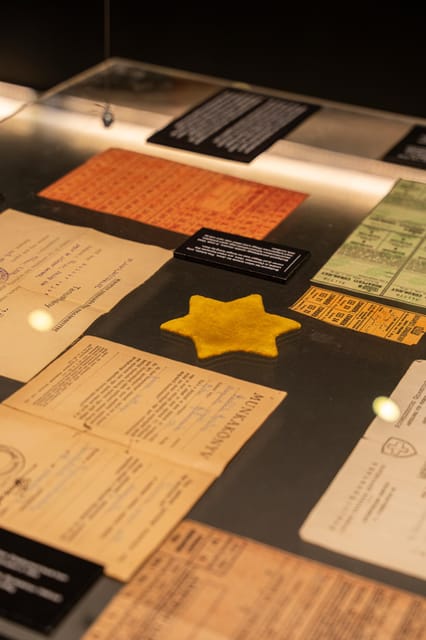
The museum is often described as telling the story of its own house, but the better way to think about it is that it uses its own house as a lens. Several surrounding buildings from the area are brought into the narrative, so you understand the street as a place that changed over time.
This matters because Kazinczy Street has a reputation in Budapest. If you only see it as party district, you miss the deeper layers. Here, you get a sense of how the area evolved through major historical moments and social shifts. Even if you already know a few Budapest facts, the museum’s angle helps you connect them in a more human way.
You will also get surprises. The museum includes specific, memorable connections, like the mention of a surprising tie between famous movie stars, Sylvester Stallone and Arnold Schwarzenegger, and a tiny house on Kazinczy Street. It’s the kind of detail that makes you look up while you walk outside later.
A different sort of Budapest afternoon:
- Budapest: City Highlights Sightseeing Cruise
★ 4.6 · 43,981 reviews - Budapest: Unlimited Prosecco, Beer and Aperol Spritz Cruise
★ 4.8 · 37,304 reviews - Budapest: Széchenyi Spa Day Ticket with Optional Upgrades
★ 4.3 · 23,911 reviews - Budapest: Nighttime or Daytime Sightseeing Cruise
★ 4.2 · 21,062 reviews
Big European names, plus the everyday lives around them
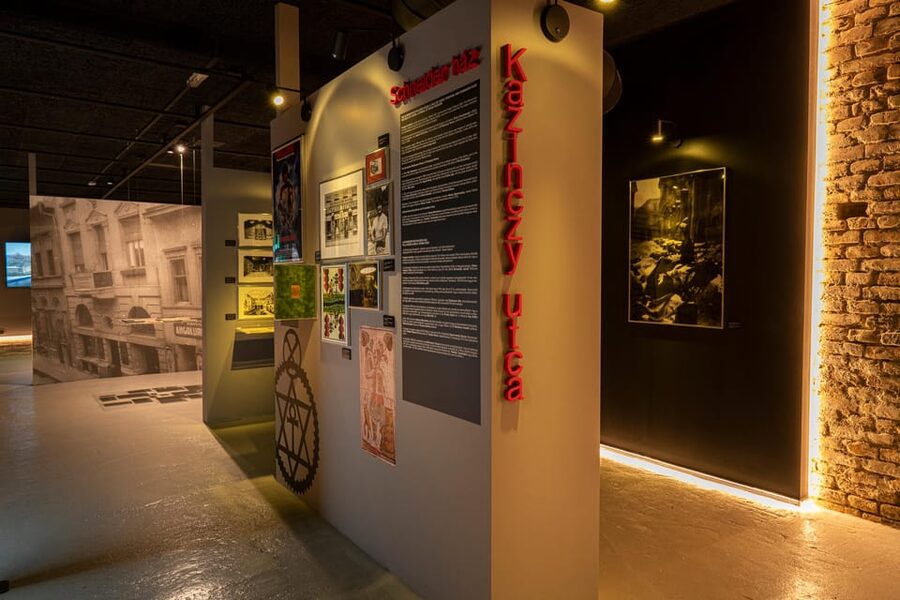
A standout feature is how the museum places famous visitors and leaders into the same narrative as neighborhood life. You’ll encounter references that include King Edward VII of the United Kingdom, German statesman Otto von Bismarck, and Milan I of Serbia. These names aren’t there to show off. They help you picture the international web of the period and how a city like Budapest sat in Europe’s power system.
At the same time, the exhibits focus on what it felt like locally. That’s where you’ll likely feel the difference between this museum and a standard lecture-style collection. The voices, the props, and the chapter structure make the story feel like scenes, not just facts.
If you like history that connects to culture, this works. One of the themes you’ll see is how major political events and social trends shaped what people did, where they went, and what kind of entertainment and social spaces existed.
The Blue Cat cabaret and the cinema beginning in the same place
The museum makes a point of connecting entertainment and media to the neighborhood’s physical history.
You’ll learn about the Blue Cat cabaret, described as having once operated here. You’ll also hear about Hungary’s first cinema opening at this very spot. That detail matters because it connects Kazinczy Street to film history.
The museum also brings in the Oscar-winning director Michael Curtiz, known for Casablanca, and notes that he began his film career here. For movie fans, it’s a small but satisfying connection. For everyone else, it’s a reminder that Budapest’s creative life was already making waves long before modern global fame.
Budapest party district history, including brothel-era stories
One of the most praised parts of the museum is how it handles the social history of the district, including the story connected to what is sometimes called the Budapest brothel scene. The tone is described as meaningful and enjoyable, which is a careful balance in a museum context.
I think this works best because the museum doesn’t treat the subject as gossip. It positions those spaces within the bigger social and historical environment of the city. If you want a straightforward, sanitized museum, this may not be your match. If you want honest cultural history, it gives you a clearer picture of how the district functioned.
A special theme: ghetto-era and everyday survival context
The museum is described in a way that includes the history connected with the Budapest ghetto. That theme shows up alongside other local stories, like how a First Steam Bath was once located in front of the museum and has since been turned into a hotel.
It’s not presented like a film documentary. It’s woven into the same chapter style as the other stories, using installations, photos, and written narratives. If you’re the type who likes to understand how a place changed under pressure, this is where the museum tends to earn its strong ratings.
If you prefer only cheerful history, take note. This museum covers difficult parts of European history as well as cultural life.
Food and drinks: the onsite cocktail bar that fits the pacing
This is not just a museum you finish and leave. There’s a cocktail bar and restaurant on site, and it’s part of how people actually enjoy the stop. In practical terms, it gives you flexibility. If you arrive hungry, you can grab something. If you need a break in the middle of your walk, you can stop and reset.
From the reviews, I especially like the way people connect the drink to the mood. You can enjoy a cocktail while exploring the museum area, which sounds like a gimmick until you realize the museum is all about atmosphere and scene setting.
So yes, plan your day around it. This is a stop where you can turn a quick walk into an hour plus if you want. The scheduled duration is 30 minutes, but you are not stuck with a strict timer that forces you out.
Languages and audio: use your phone, not your memory
The museum offers audio in 8 languages, with chapter audio accessed through a QR code. You listen on your own mobile phone, and free WiFi is available. The audio set includes voiceovers and voice effects, and the printed flyer supports what you’re hearing.
This setup is one reason it works for solo visitors and couples. You don’t have to try to keep up with someone else’s group pace. You can go chapter by chapter and stop to read at your comfort level.
Also, it is built for people who like independent travel. The staff give a quick intro, then you’re on your own. That lowers pressure, and it helps you focus on the exhibits rather than on waiting for a guide.
Timing and pacing: how to fit it into your Budapest day
The ticket experience is listed at 30 minutes. In practice, that is a solid planning number for most people. The museum is not huge, so you can complete it during a break between bigger sights.
Here’s a good way to think about it:
- If you want a quick cultural hit and a drink, do it as a mid-morning or mid-afternoon break.
- If you want to understand the area before you wander Kazinczy Street, do it earlier in the day.
- If you want to pair it with nightlife later, do it before you get too tired.
Because the museum is self-guided, you can adjust. If a chapter grabs you, you can spend extra time. If you’re scanning quickly, you can keep moving. That flexibility is part of the value.
Value check: why this is a good deal at around $5
Five dollars per person is the kind of price that makes you ask, what’s the catch? The answer is there is no catch. You get a small, focused museum visit with audio in eight languages, voice effects, and a printed flyer, plus the option to sit down at the onsite bar or restaurant.
For the amount of content packed into a 140 sqm space, the value is strong. You also benefit from skipping the ticket line. That matters in Budapest, where you don’t always want to burn time waiting, especially if your schedule is tight.
So for cost, time, and quality of story, it’s a smart budget pick.
Who should book this museum
This museum fits best if you:
- Like history that connects to real street life, not just dates and labels
- Prefer self-guided tours with audio on your phone
- Want a short, high-impact stop in the central city area
- Enjoy cultural nightlife history but also want the serious context behind it
It may not be ideal if you:
- Need wheelchair access
- Want a live guide to explain everything step by step
- Prefer very large museums with lots of space to wander
Should you book the Mika Tivadar Secret Museum ticket?
Yes, if you want an efficient, story-driven experience in central Budapest. At around $5, it’s hard to argue against a visit that gives you clear context for Kazinczy Street and mixes major European names with the human scale of everyday life. The self-guided 8-language audio format makes it especially easy to use on a busy travel day.
Skip it only if mobility access is a concern or if you strongly dislike museums that cover sensitive topics tied to European history and social life. If not, this is one of those rare small-ticket stops that can give you a bigger sense of place than you expected.
FAQ
How long is the Mika Tivadar Secret Museum entry?
The experience is listed at about 30 minutes. You should check starting times for availability.
Where do I meet for the museum entry?
Meet at Hotel Mika Downtown reception.
Do I need a guide for the museum?
No. There is no museum guide or tour guide included. Staff greet you, hand over a museum flyer, and give a brief explanation. You use the audio guide on your phone.
How do I access the audio guide?
The audio is accessible on your mobile device. You scan a QR code for the free audio guide, and you listen during the visit.
Is there WiFi inside the museum?
Yes, free WiFi is available.
What languages are offered?
The audio guide is offered in 8 languages.
Is the museum wheelchair accessible?
No. It is not suitable for wheelchair users.
Is there food or drinks available on site?
Yes. There is an onsite cocktail bar and restaurant, and the bar is open during your visit.
Newest reviews from Budapest
- Private Tour Around Budapest★ 5.0 · 10 reviews
- Born Under The Red Star – Communist tour with Coffee in a Retro Bar★ 5.0 · 10 reviews
- Live virtual walking tour in the Buda Castle quarter★ 5.0 · 10 reviews
- Taste Budapest – Fat Boy Foodies Walk★ 4.5 · 10 reviews
- Wine & Food Tasting Cruise on the Danube★ 3.5 · 10 reviews
- Private Transfer from Budapest to Prague with 2 hours for sightseeing★ 4.5 · 10 reviews
- City Park True Crime of Hungary and Night Walk Tour in Budapest★ 5.0 · 10 reviews
- The Real Saw | Escape Room by PÁNiQ SZOBA★ 4.1 · 10 reviews
Museums, compared.

Budapest Dohany Synagogue & Hungarian Jewish Museum & free extras
Read our review →
Skip the Line: Budapest Pinball Museum Admission Ticket
Read our review →

Trash Art Museum: Hungary’s First Scrap Metal Exhibition
Read our review →Browse the lists this tour appears in