
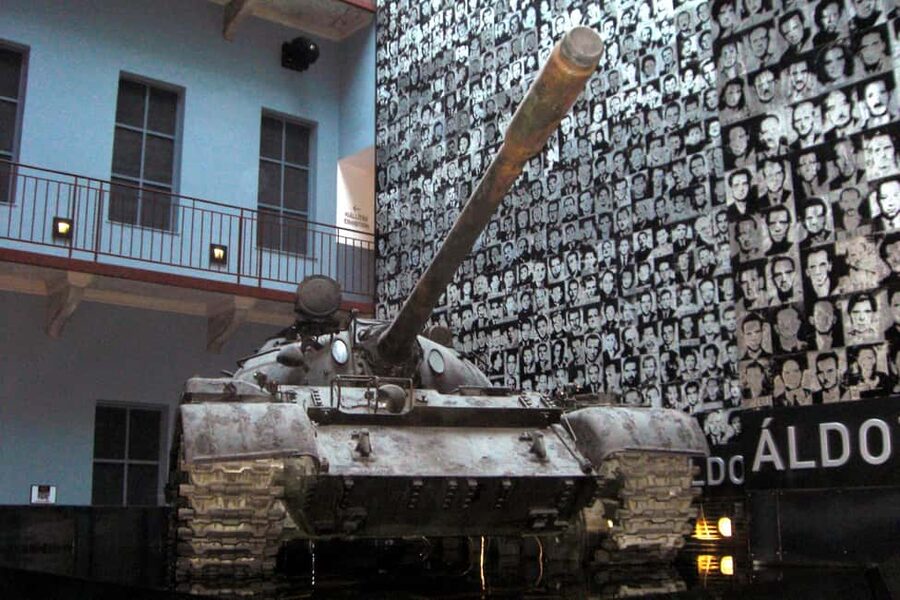
Reviewed · COMMUNIST-ERA HISTORY
Life Behind the Iron Curtain, the communist Budapest private
Life behind the Iron Curtain is one of those themes where the setting matters. In Budapest, you can stand in front of the symbols, the warnings, and the survivors’ reminders, and the city starts to explain itself fast. I like that this tour pairs major landmarks with specific places of remembrance, so you see how the story was staged in stone and street plans. I also like that you end on the Children’s Railway, which gives you a different temperature after the heavy museum stops.
There is one downside to plan for: this is not a light sightseeing loop. The House of Terror focuses on the victims and tools of the Communist era, so if you prefer playful history, this may feel intense.
Key highlights you will care about
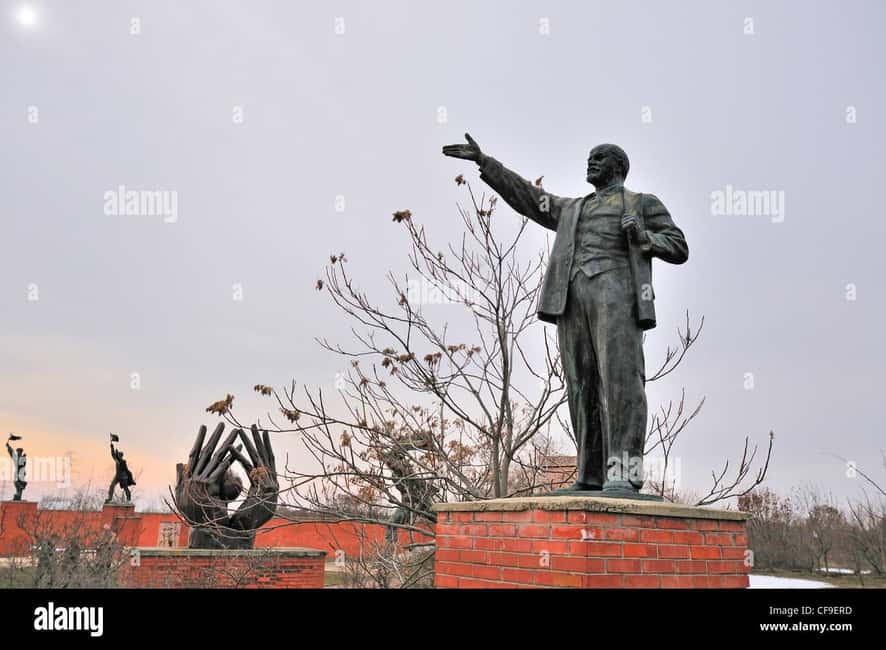
- Citadella and Gellert Hill context: You start with the siege of Budapest and the Freedom Statue on the skyline.
- Liberty Statue facts you can picture: A 26-meter pedestal plus a 14-meter statue, built in 1947, originally dedicated to Russian troops.
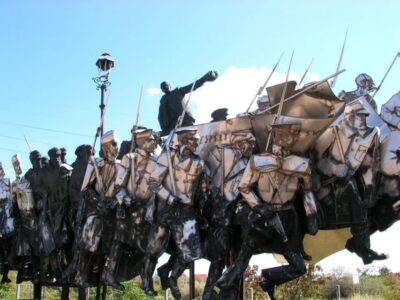
- Memento Park by design, not by accident: 42 relocated communist-era pieces, including a 6-meter Liberation Army Soldier statue.
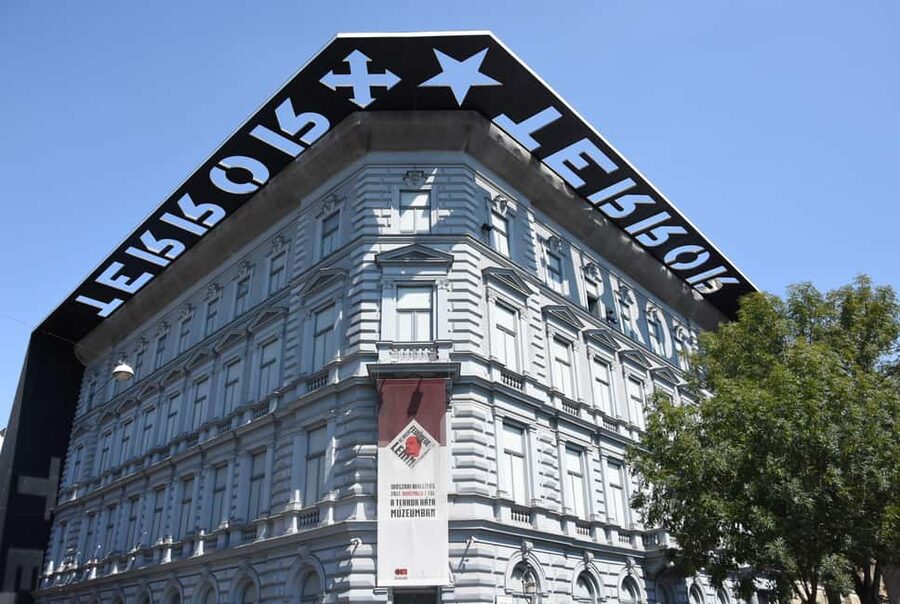
- House of Terror, with audio support: Guided time plus an audio-guide included, built around the victims of the Communist era.
- A personal, human guide style: Guides such as Ildiko and Thomas are noted for engaging delivery and real personal perspective.
- Children’s Railway for a balanced ending: The Pioneer’s Railway opened in 1949 and was operated by children aged 10-14.
A half-day Budapest route that turns monuments into meaning
This private half-day tour is built for one goal: taking communist-era symbols out of the abstract and putting them into a clear storyline. You get time at the places people used to build influence, and you also get time at the places meant to remember harm.
What makes it work for your trip is the pacing. You are not bouncing across five neighborhoods for quick photo stops. You move through a tight sequence that links the end of World War II, the occupation years, the state propaganda in public space, and then the later decision to relocate many of those monuments to an open-air museum.
You should also know you will have mixed transport and walking. The day uses a van for repositioning, plus time on foot. That is usually a good match for a 5-hour experience, as long as you are comfortable with short walks and standing in museum spaces.
More of the communist decades:
- Budapest: Communist History Tour with House of Terror Option
★ 4.8 · 182 reviews - Communism in Hungary with a Historian
★ 5.0 · 70 reviews - Budapest: 3-Hour Walking Tour About Communism (Small Group)
★ 4.7 · 70 reviews
Citadella, the Freedom Statue, and the view that sets the timeline
The tour starts with Gellert Hill and the Citadella area, where the story takes a dramatic turn toward the end of World War II. You learn about the siege of Budapest and how that period becomes the beginning of the country’s occupation. Standing above the city helps you understand why these locations became power points in the first place.
Then you head to the Liberty Statue, sometimes called the Freedom Statue. This is not a subtle monument. It was erected in 1947 on Gellert Hill and is considered one of the tallest of its kind in Europe. The numbers help you visualize it: a 26-meter pedestal with the statue standing another 14 meters tall.
One thing I appreciate is how the tour frames the statue as a shifting symbol. It was originally dedicated to the Russian troops, but it is now treated as a universal symbol of freedom in the Budapest panorama. That change in meaning is a perfect theme for the whole day. You are watching politics rebrand itself over time, and then watching later generations decide what the monuments should mean.
Tip for your photo planning: bring your camera or phone with enough storage, because the views around Gellert Hill can be a major part of your memory of the day, even if the topic is grim.
Memento Park: where 42 communist-era pieces go to be seen differently
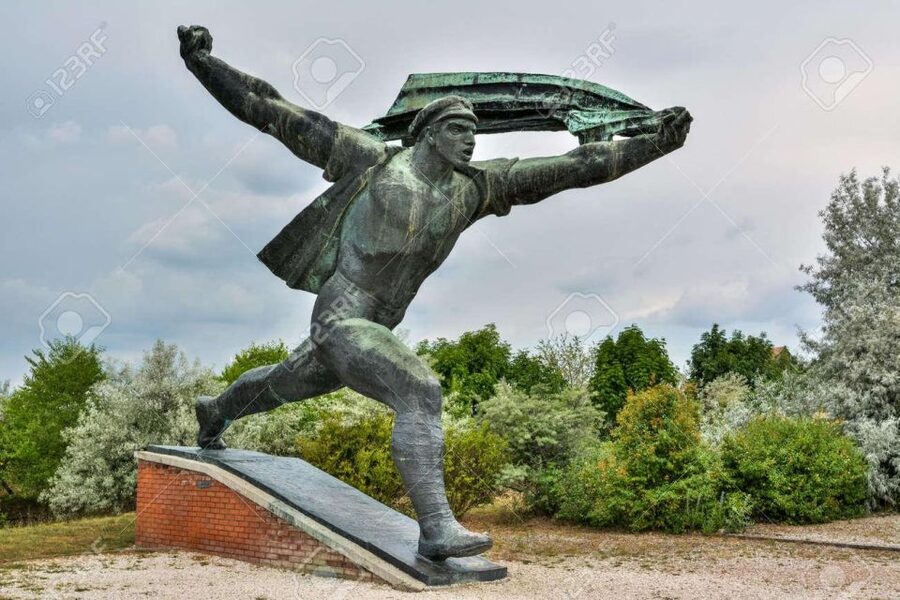
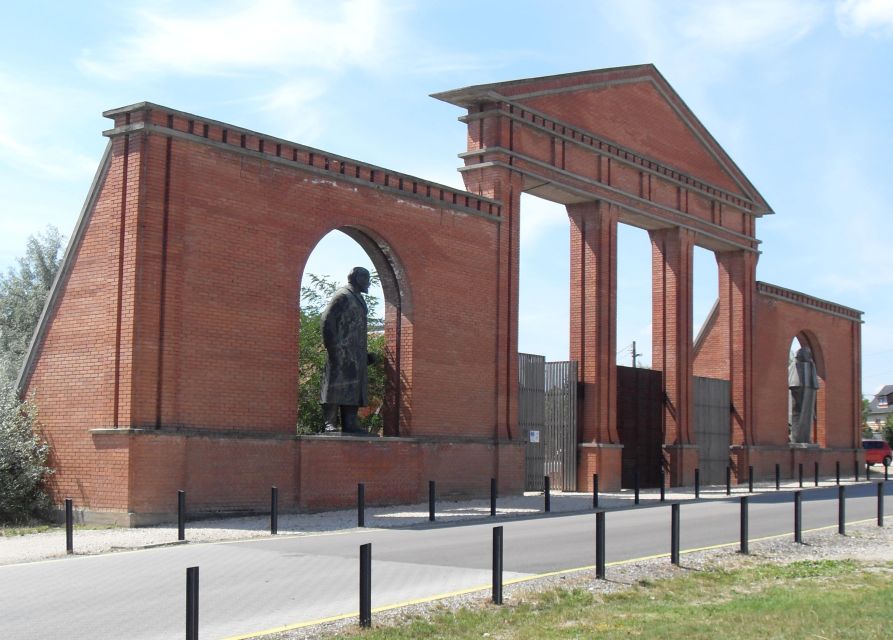
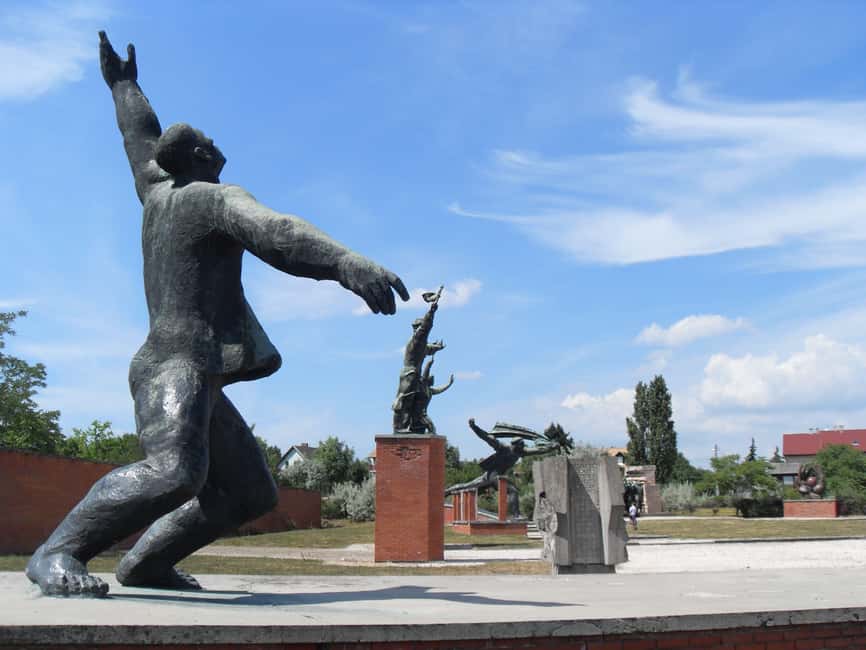
Memento Park is the part of the tour that makes the concept of memory feel physical. Instead of encountering propaganda as something you pass without thinking, you face it in a curated open-air setting where the goal is reflection.
You spend about an hour in Memento Park on a guided visit, and you get into the park as part of the tour. The collection includes 42 pieces, many of them relocated from the city between 1945 and 1989. That relocation detail matters, because it explains a lot about how countries try to manage painful public narratives.
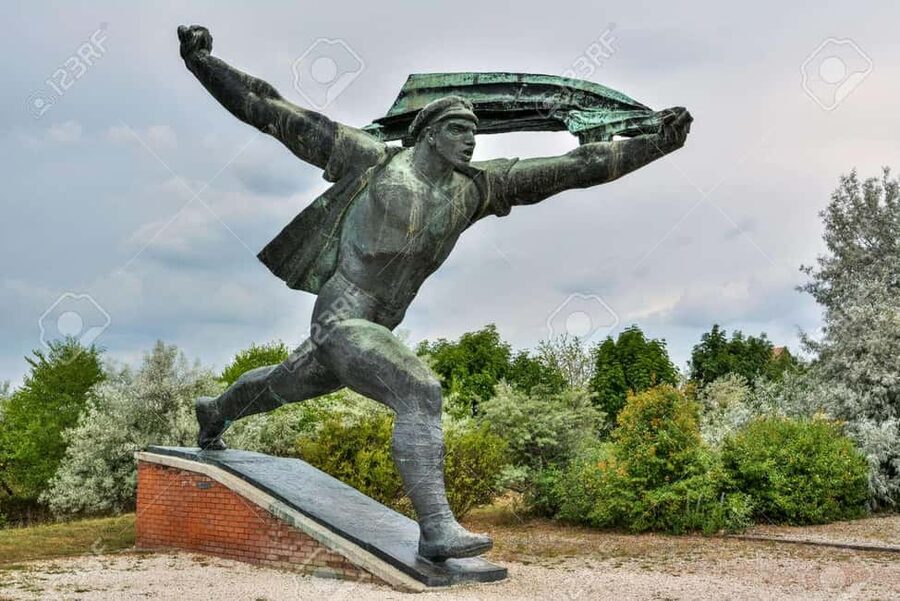
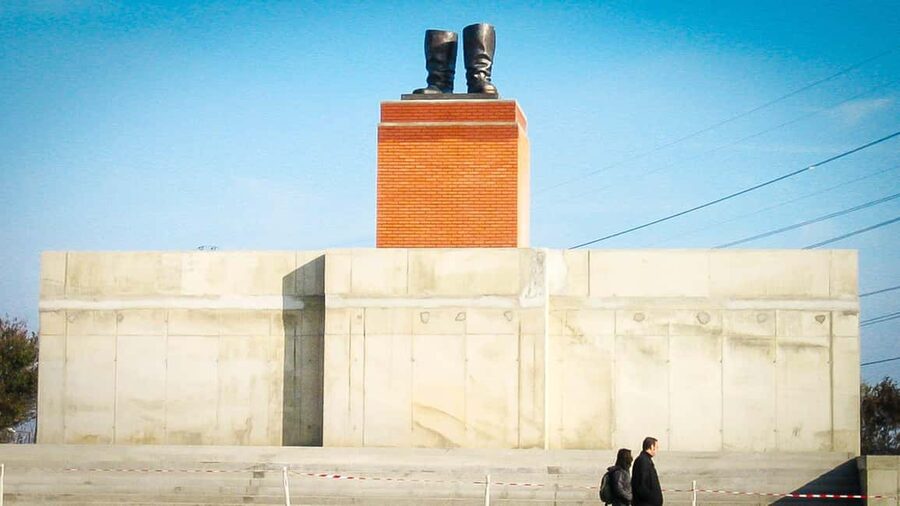
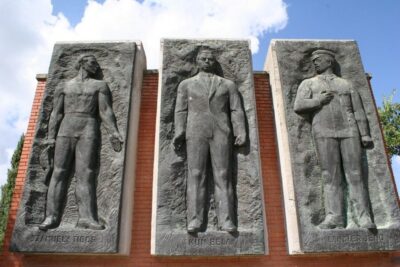
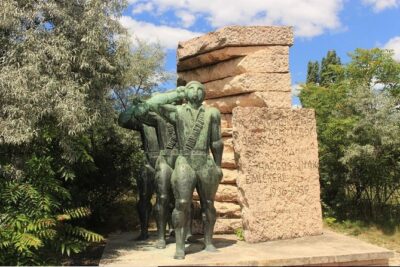
A highlight here is the Liberation Army Soldier statue, listed at about 6 meters high. You also see recognizable names in sculptural form, including figures tied to Communist ideology and leadership. It can feel eerie at first, but that reaction is part of what makes the park valuable. You start to see how ideology tries to create a visual habit.
Another reason I recommend Memento Park for your trip: it is easier to process here than in a museum hall. Outdoors, the monuments sit in the landscape where you can compare size, posture, and repetition. It is not just what the statues say, it is how they try to control what you notice.
House of Terror: guided time focused on the victims
If you only have time for one museum-stop on the political memorial side, make it the House of Terror. The tour includes guided time inside and notes that an audio-guide is included. That combination helps, because you are not stuck reading alone while you try to make sense of rooms built to be emotionally difficult.
This museum is dedicated to the victims of the Communist era. The emphasis is not on abstract ideas or dates for the sake of completeness. It is on people harmed by the system, and on how fear can be engineered into everyday life.
What I like about the way the tour approaches this stop is that it does not leave you with only sadness. The guide connects the museum content to the earlier outdoor monuments you saw. By the time you reach House of Terror, you are not only learning what happened. You are also seeing how propaganda and repression often operate side by side.
One practical consideration: plan for heavier emotional themes, and keep your pace gentle. If you need to step out for air or to reset, do it. There is no prize for forcing yourself through it faster than you can process.
A different sort of Budapest afternoon:
- Budapest: City Highlights Sightseeing Cruise
★ 4.6 · 43,981 reviews - Budapest: Unlimited Prosecco, Beer and Aperol Spritz Cruise
★ 4.8 · 37,304 reviews - Budapest: Széchenyi Spa Day Ticket with Optional Upgrades
★ 4.3 · 23,911 reviews - Budapest: Nighttime or Daytime Sightseeing Cruise
★ 4.2 · 21,062 reviews
Marx, Lenin, and the statues that explain propaganda tricks
During the Budapest city portion, your guide points out additional figures tied to the era, including statues of Marx and Lenin and other Communist leaders. You may also see references to individuals connected with Hungarian Communist history, plus memorials like the Hungarian-Soviet Friendship.
This section sounds like it could turn into a simple list of statues, but the value is in the interpretation. The tour is built to show you how public art became political messaging, and how the city’s landscape helped normalize power.
One of the best cues for how the day is handled is the guide style. Ildiko, for example, is described as covering the dark days of Communism in Hungary’s history with an engaging approach and even personal experiences. Thomas is described as exceptional, with strong insights during the mix of van rides and walking.
You do not need your guide to sound rehearsed. You need clarity. And the guides here are known for making the connections between what you see and what it meant.
If you come into the tour with a loose mental map of twentieth-century Europe, you will walk out with a tighter one. You’ll understand not only the events, but also the mechanics of how a regime tries to shape behavior through symbols.
Children’s Railway: a lighter finish in the Buda Hills
The last stop is a genuine mood shift, and I mean that in a good way. The tour finishes with a ride on the Children’s Railway in the Buda Hills. It is a smart way to avoid leaving your trip emotionally stuck after the museums.
The line originally opened as the Pioneer’s Railway in 1949 and was operated by children aged 10-14. That detail is useful because it shows how even leisure activities could carry political flavor in Communist-era planning.
Today, you can experience it more as a local tradition and a unique Budapest oddity, not just a historical artifact. The ride also helps you re-enter the city with less intensity. You get movement, views, and a sense of everyday Hungary after a day that focuses on institutional harm.
Practical note: since this part ends the day, it is also a good moment to pace your energy. If you are easily tired, keep an eye on your hydration and take a slower museum pace earlier so you can enjoy the railway ride.
Price and value for a private 5-hour experience in Budapest
At $294 per person for a 5-hour private tour, you are paying for several things at once: a live guide, transfers, hotel pick-up and drop-off, and entry into Memento Park. For many people, that bundled convenience is the biggest value driver. You are not trying to coordinate multiple sites on your own, and you are not spending your morning figuring out transport and timing.
You should plan for extra costs at certain museums. The tour data flags that entry fees for House of Terror are not included, and also notes Retro Museum entry fees as not included. Lunch is also not included. So while the core structure is solid, you may still need some spending money for ticketed stops.
Is it worth it? It usually is if you care about context and interpretation more than ticking boxes. The tour is not just taking you to monuments. It is walking you through what those monuments meant, and then what later generations chose to remember and display.
If your travel style is more self-guided and you prefer to read at your own speed, you might skip the private format. But if you want the connections made clearly, and you like asking questions in real time, this one tends to pay off.
Who should book this tour, and who should skip it
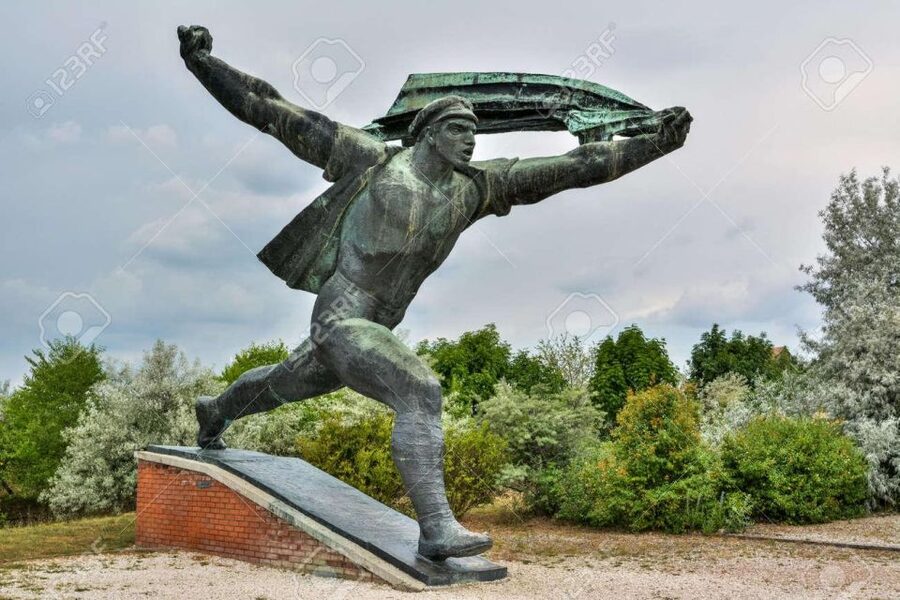
This is a great fit if you want an honest look at the Communist-era impact on Hungary, with a clear path through the city’s memorial sites. It is especially good for history-minded travelers who like structure, because the stops connect: Citadella and the siege context, Liberty Statue on Gellert Hill, Memento Park’s relocated monuments, then House of Terror’s victim-centered focus, and finally a Children’s Railway ride.
You should think twice if you dislike somber historical topics. House of Terror is built around the victims of the Communist era, so you need to be emotionally ready for that.
It also fits well for travelers who enjoy a guide who brings more than just facts. Guides such as Ildiko and Thomas are described as engaging and able to personalize the story, even sharing personal experiences while still staying on the historical track.
If you are traveling with limited time in Budapest and want a single, coherent experience that covers the era from multiple angles, this private format makes sense.
Booking verdict: should you pick Life Behind the Iron Curtain?
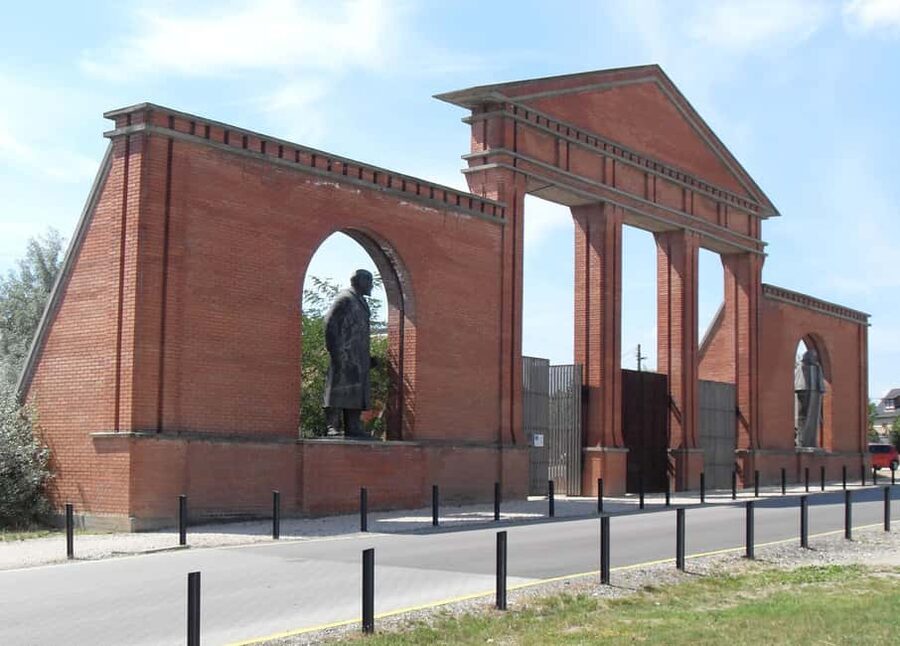
I would book this tour if your goal is to understand Budapest’s Communist-era legacy in a way that feels grounded. You get the big skyline symbols on Gellert Hill, you get the open-air museum logic at Memento Park with 42 relocated pieces, and you get a guided experience at House of Terror that stays focused on the victims. Ending with the Children’s Railway is a smart balance that helps you keep your day from collapsing into heaviness.
Skip it if you want only casual sightseeing, or if museum themes about oppression and victims are not what you want right now. Also budget for extra museum entry fees, since at least House of Terror is not included.
If you are the kind of traveler who likes your history with context, and you want the city to explain itself, this private tour is a strong choice.
FAQ
How long is the Life Behind the Iron Curtain tour in Budapest?
The tour lasts 5 hours.
Is this a private tour?
Yes, it is a private group tour.
Where does the tour pick up and drop off in Budapest?
Pickup is available from three options in District XI., District V., and District VII. Drop-off is also available in District VII., District XI., and District V.
What is included in the price?
Transfers, a guide, entry into Memento Park, and hotel pick-up and drop-off are included.
What is not included?
Entry fees for Retro Museum and House of Terror are not included, and lunch is not included.
Does the House of Terror include an audio guide?
The Terror House museum visit includes an audio-guide.
What stops are part of the tour?
You visit the Citadella area and Liberty Statue on Gellert Hill, Memento Park, the House of Terror, and you finish with a ride on the Children’s Railway.
How do you get around during the tour?
You use a van for parts of the route, with time for guided walking between stops.
What languages are available for the live guide?
The tour offers live guides in English, Spanish, Italian, German, and French.
What should I bring with me?
Bring your passport or ID card.
Newest reviews from Budapest
- Private Tour Around Budapest★ 5.0 · 10 reviews
- Born Under The Red Star – Communist tour with Coffee in a Retro Bar★ 5.0 · 10 reviews
- Live virtual walking tour in the Buda Castle quarter★ 5.0 · 10 reviews
- Taste Budapest – Fat Boy Foodies Walk★ 4.5 · 10 reviews
- Wine & Food Tasting Cruise on the Danube★ 3.5 · 10 reviews
- Private Transfer from Budapest to Prague with 2 hours for sightseeing★ 4.5 · 10 reviews
- The Real Saw | Escape Room by PÁNiQ SZOBA★ 4.1 · 10 reviews
- City Park True Crime of Hungary and Night Walk Tour in Budapest★ 5.0 · 10 reviews
Communist-Era History, compared.
3-Hour Walking Tour About Communism (Small Group)
Read our review →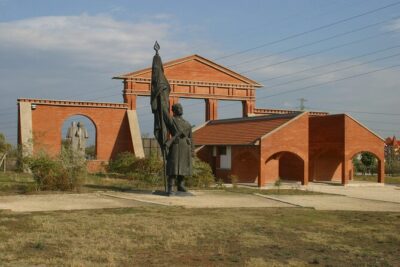
Memento Park Visit with Private Trabant Transfer
Read our review →
Memento Park: Official Guided Tour with Entry Ticket
Read our review →
Browse the lists this tour appears in