
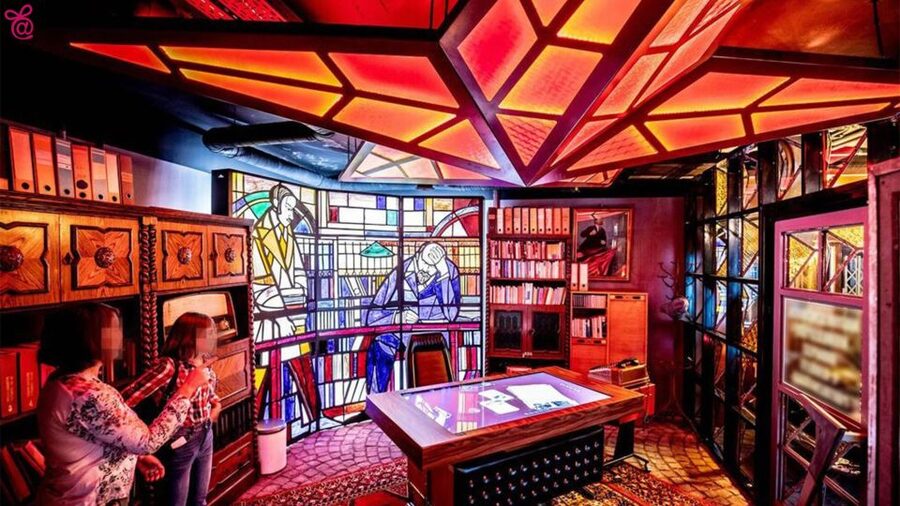
Reviewed · COMMUNIST-ERA HISTORY
Budapest: Communist History Tour with House of Terror Option
This tour is interesting because Budapest has communist-era scars in plain sight, and a good guide connects those monuments to the daily reality behind them. I like the way it starts at major landmarks like the Hungarian Parliament and keeps the story moving. I also love the option to add either the lighter Budapest Retro Center or the sobering House of Terror. One drawback: the content can get heavy fast, especially if you pick the House of Terror.
You get two hours of guided walking across central Budapest, and both the morning and afternoon versions share the same first stretch. After that, you choose your mood. If you want something more playful, the Budapest Retro Center comes in with 1960s to 1980s street scenes and Soviet space-era objects. If you want the full weight of the era, the House of Terror option focuses on the machinery of repression.
The tour is led by independent English-speaking guides, and you can hear a personal touch when guides like Alexa, Beata, Alexandra, or Flora tell the story. You might find the pace works best if you can comfortably walk for the main route, since the group is small but still moving.
Key things I’d focus on before you go
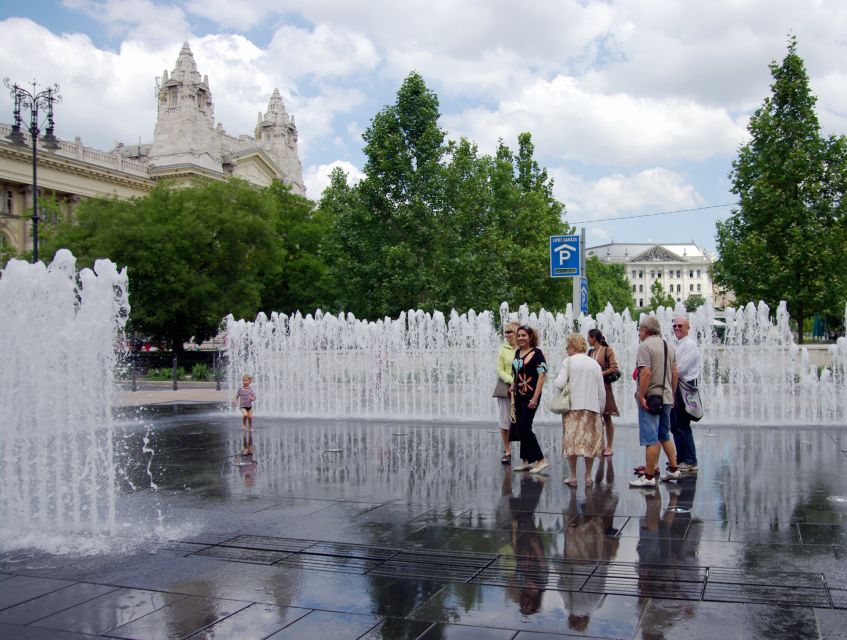
- Parliament to Liberty Square: you trace communist power through key monuments in the city center
- Cold War details: ventilation channels tied to a secret underground nuclear bunker show how fear worked in real life
- Cardinal Mindszenty’s exile: the story points at Hungary’s anti-communist church leader through the city’s famed windows
- 1956 made concrete: the route includes places connected to the Hungarian anti-Soviet revolution
- Choose your second chapter: Budapest Retro Center for daily-life visuals, or House of Terror for interrogation and torture history
- Small groups up to 10: it stays discussion-friendly, and guides often adjust to the group’s needs
Entering the story, starting at the Hungarian Parliament
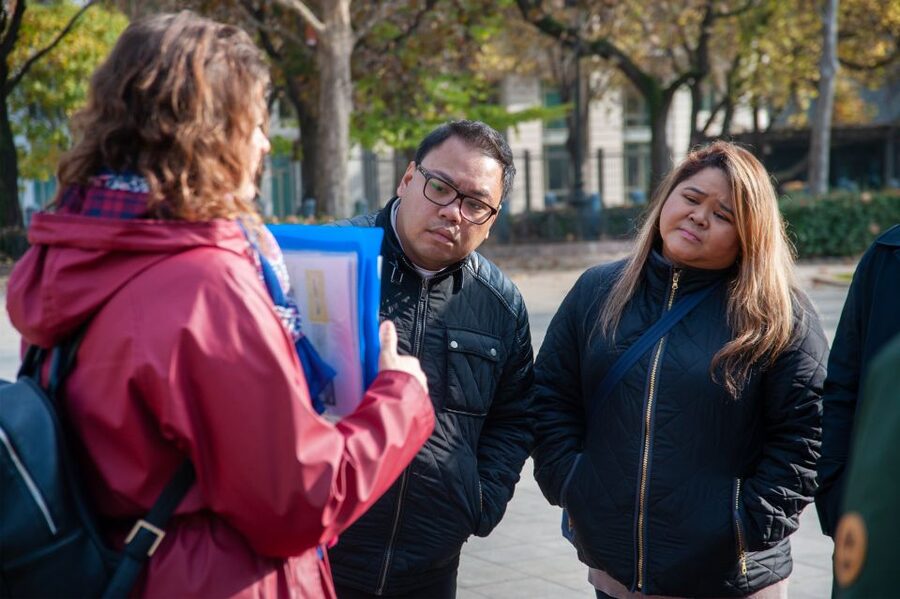
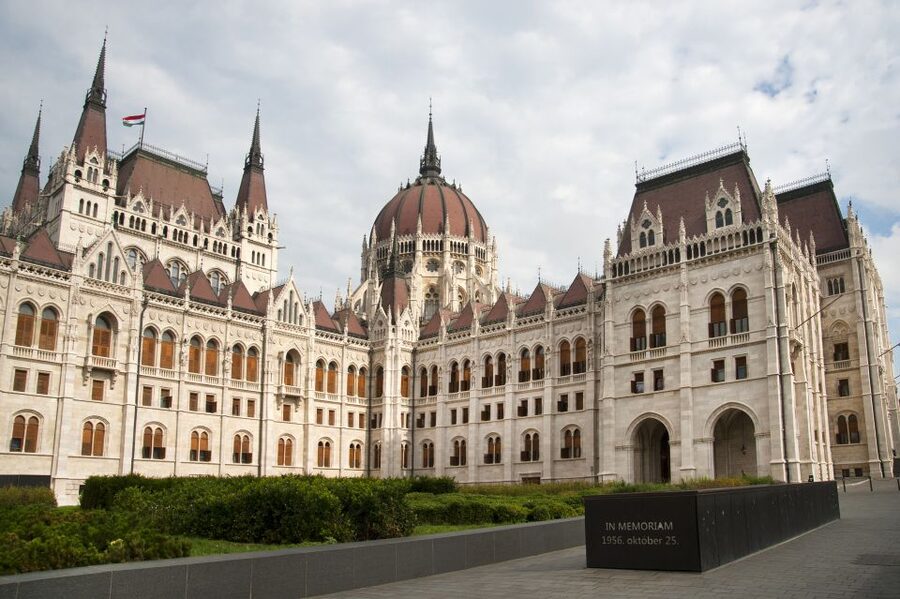
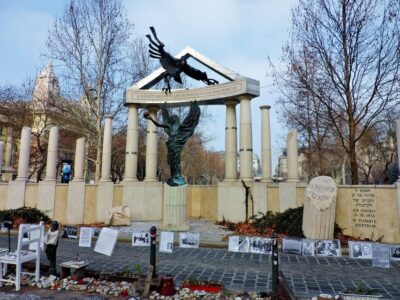
The tour begins with a themed walking approach that makes the communist era feel rooted in geography, not just dates. You meet your guide and start at the Hungarian Parliament area, where you immediately see how public space was used to tell a political story. The guide points out major monuments, including one commemorating victims of the red dictatorship. That choice matters, because it sets the tone for the rest of the walk: this is about memory, not just ideology.
From there, you keep moving through central Budapest with a clear timeline in the guide’s narration. You will hear how Hungary lived through the long communist period under Soviet military occupation. The route is built so the city itself becomes your timeline, with each stop adding a new layer of context.
If you are the type who likes facts and names, you will probably enjoy this start. Guides often bring strong language skills and a way of explaining that keeps the walking story easy to follow. In the group, you are not stuck watching a screen. You are standing where history left its physical fingerprints.
More of the communist decades:
- Communism in Hungary with a Historian
★ 5.0 · 70 reviews - Budapest: 3-Hour Walking Tour About Communism (Small Group)
★ 4.7 · 70 reviews - Guided Tour with Admission in Memento Park
★ 5.0 · 48 reviews
The 2-hour walking route: Liberty Square, Soviet memorials, and “famous windows”
After Parliament, the tour moves toward Liberty Square, a key location for understanding how communist-era messaging was staged. Here you will see the Soviet Liberation Memorial, described as the last communist monument of the city in its original place. That detail is worth noticing, because it hints at what changed after the communist period ended: even monuments had to be negotiated with time and politics.
Next comes the story tied to the famed windows of Budapest. The guide connects them to Cardinal Mindszenty, Hungary’s anti-communist Catholic church leader, and to the years he spent in exile. I like how this stop shifts the focus from state machinery to human resistance and survival. It is a reminder that communist control did not operate in a vacuum. Religious leadership and public life were part of the conflict.
You are also being taught to read the city like a clue board. The tour keeps returning to how authority tried to control the public narrative, then how people lived with the consequences.
Practical note: you will cover real ground. The route is designed for a guided walk, so wear shoes that handle Budapest sidewalks well, especially if the weather turns slick.
Cold War fear made visible: nuclear bunker ventilation and the 1956 uprising
One of the most striking parts of the walk is the inclusion of Cold War infrastructure details. You will explore the ventilation channels of a secret underground nuclear bunker, built during the Cold War period. This is the kind of detail that feels almost too specific to be made up, which is exactly why it hits. The point is not just that technology existed. It is that fear was built into everyday city planning.
From there, you move into sites connected to Hungary’s anti-Soviet revolution of 1956. This is where the story stops being abstract. The guide explains what happened and why 1956 mattered, including the revolution’s consequences. If you only know 1956 from a textbook, this is the part where the guide turns it into a living chain of events you can picture.
If you want to understand modern Hungary, these stops are useful because they show the long shadow of the Soviet era. You also get a better sense of why the topic stays emotional. When a guide names the events in the places where people fought and hid, the narrative becomes personal even if your family roots are elsewhere.
The morning option: Budapest Retro Center for daily life under communism
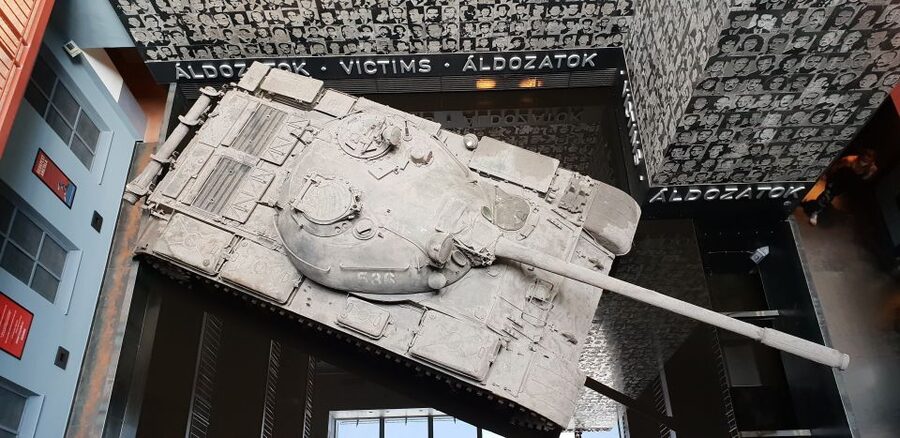
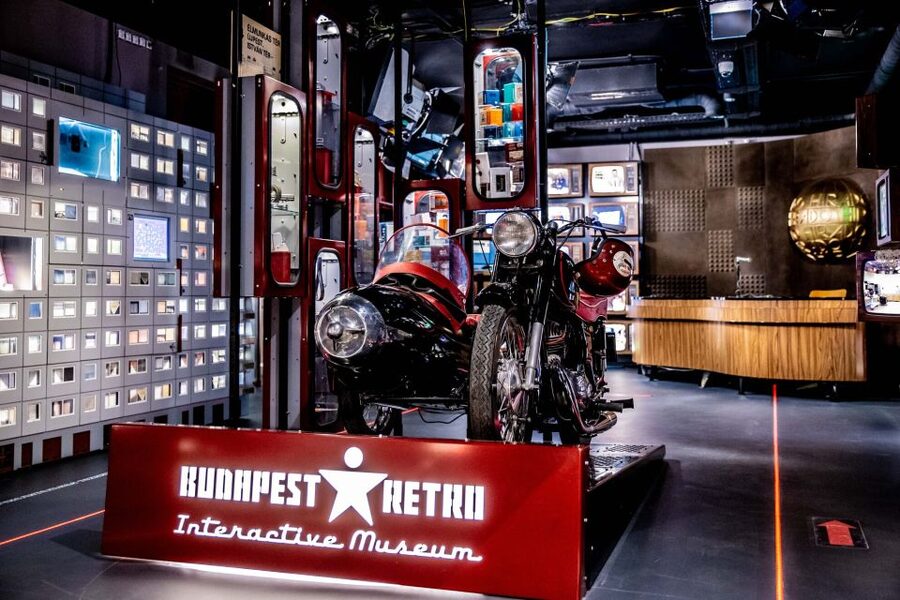
If you choose the morning walking tour, your guided walk continues into an additional one-hour visit to the Budapest Retro Center. This is the lighter partner to the story. Instead of interrogation rooms and prisons, you get objects and rooms that recreate everyday life.
What I like here is the museum’s tone. It is presented in a fun, interactive way, and it is arranged over three floors. You can expect street views and typical vehicles from the 1960s to 1980s, plus real interior home designs. The museum also includes Soviet-Hungarian space flight artifacts, including the astronauts theme. That theme is a smart choice, because space programs were a major propaganda tool, even when life at street level felt constrained.
The Budapest Retro Center is also designed to get you participating. You can dress as a Communist comrade, or you can try to be a TV news presenter of the time. That does not erase the political reality. It just helps you understand how the communist era sold itself through entertainment, media style, and daily visuals.
This option is a great fit if you want contrast. You leave the walk understanding the heavy political machinery, then you get a different angle on how the era lived in people’s homes and streets.
A small caution: if you are only interested in the darkest side of the Soviet-era story, you might find the Retro Center less intense than the House of Terror. It is not trying to replace it. It is trying to balance your picture of the period.
More history walks in Budapest:
- Budapest: Historic Cruise with Welcome Drink
★ 4.7 · 6,512 reviews - Budapest Historical Sightseeing – Free Walking Tour
★ 5.0 · 1,302 reviews - Buda Castle District Dark History, Legends and Vampire Night Tour
★ 4.5 · 1,240 reviews - BloodThirsty Hungary: Walking tour & Dark Historical Stories
★ 4.9 · 633 reviews
The afternoon option: House of Terror and the former AVO seat
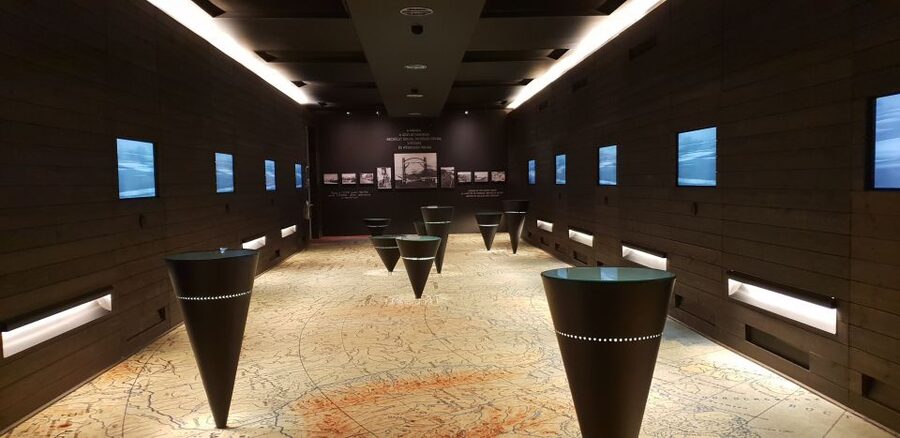
If you pick the afternoon route, you add a House of Terror Museum ticket and a self-guided visit component tied to the former seat of the AVO State Protection Police, the local version of the Soviet KGB. You explore the restored site on your own. The museum experience is built to connect the public story to the private mechanics of fear, especially through what was kept, changed, and displayed after the regime ended.
What I appreciate about choosing the House of Terror option is that you do not just hear about repression. You are shown how it worked. With the guided House of Terror museum option, you follow your guide through Hungary’s progression from WWII through Nazi rule to Soviet communist occupation, then the focus narrows tightly to the 1950s.
You will see and hear about interrogation and torture cells, the office room of the director, and stories connected to mass deportations, labor camps, and political trials. The tour also brings in the 1956 revolution and its consequences, then ties it to the end of communism in 1989. The arc is deliberate. It is built to help you understand the period as a system, not just a list of atrocities.
If you are sensitive to graphic or emotionally intense content, plan your timing accordingly. This museum is not a casual add-on. It is the main event for a reason.
One practical thing I’d keep in mind: there have been moments when the House of Terror faced renovations, and guides adapted the experience. So if you notice temporary changes at the museum level, trust that your guide is likely to steer the story well.
House of Terror versus Retro Center: choosing your second chapter
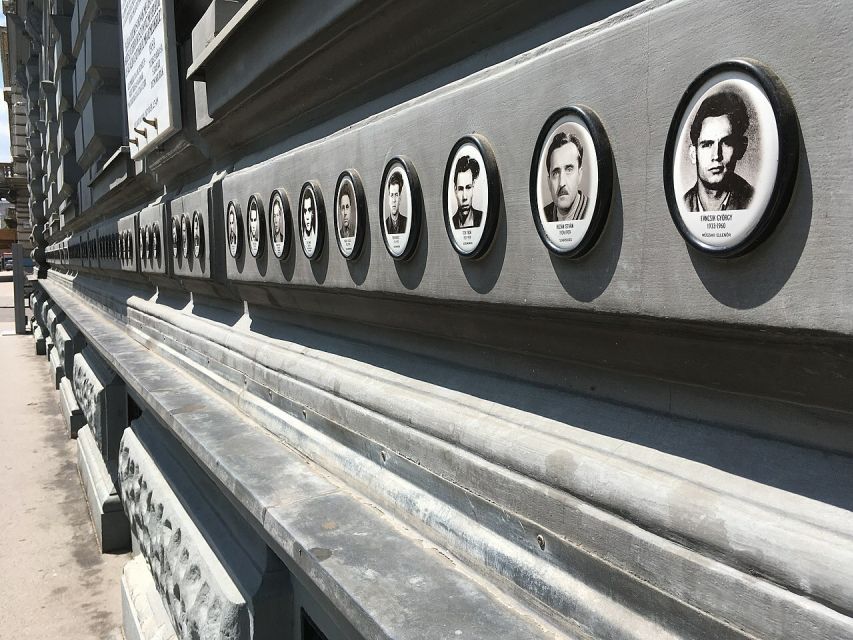
This is the real decision point in the tour. Both paths come after the same walking foundation, so your first hour and change gives you shared context. After that, you pick what kind of learning you want.
Choose Budapest Retro Center if you want:
- a contrast to the darker sites
- visuals of how the era looked in homes, streets, and media style
- a more interactive, lighter museum tone
Choose House of Terror if you want:
- the clearest view into interrogation, torture cells, and the machinery of repression
- a guided storyline that covers WWII through Soviet occupation and the fall of communism
- an experience that is more emotionally heavy but historically direct
If you cannot decide, I’d think about what you most want to remember. The Retro Center stays in your mind as how the era packaged itself. The House of Terror stays in your mind as how it punished people for resisting.
Price and what you actually get for $58
At $58 per person for a two-hour experience, this tour is priced like a serious guided program, not a quick stroll. You are paying for two things: a professional live guide and access that depends on your chosen option. If you add Budapest Retro Center or House of Terror, your ticket is included, and you also get the practical benefit of skipping the ticket line.
Is it good value? In my view, yes, because the walk gives you context that you would otherwise have to assemble yourself from multiple stops. Then the included museum ticket saves time and reduces decision fatigue once you are already in central Budapest.
Small group size also matters for value. Limited to 10 participants, the format supports questions and clarifications. That is a big deal when the subject matter is complicated and personal.
Small-group walking: pace, guides, and how to get the most out of it
The group is capped at 10, and the tour runs with a live English guide. That matters because you are not just getting scripted facts. You are getting a person who can explain why something mattered and what it means in a bigger timeline.
Several guides stand out for the way they keep the tour engaging, clear, and paced. I also like that the guiding style can be flexible. If someone in the group needs to pause or uses walking aids, the tour can slow down and regroup until everyone catches up.
If you want to maximize your experience, come with one question in mind before you start. For example, ask how 1956 connects to the end of communism in 1989, or ask how propaganda showed up in day-to-day life. A small group setting makes those questions easier to answer.
Finally, note the practical detail that the tour guide provides your ticket. You do not need to hunt for it at a ticket office. That saves time and keeps you from wasting energy on logistics when you should be focusing on the story.
Who this Budapest Communist History Tour is best for
This tour is best for you if:
- you want a guided walk that connects major monuments to the communist era
- you care about Cold War details and the events around 1956
- you want either a lighter companion museum (Retro Center) or the heavy main course (House of Terror)
It is especially good if your travel style leans toward history with real place-based context. Even if you do not consider yourself a history buff, the route gives you orientation fast, and the guides tend to explain things in a way that keeps you moving and thinking.
It might be less ideal if:
- you prefer only upbeat museum visits and dislike intense political themes
- you cannot handle a walking tour for the main route, since the day is built around walking plus museum time
Should you book this tour?
I’d book it if you want one tight, high-impact program in Budapest that explains communist-era Hungary in a way you can actually picture. The best part is the structure. You get the same guided walking foundation, then you choose your second chapter based on what you want to process: the everyday look of the era at Budapest Retro Center, or the interrogation and repression details at House of Terror.
If you are torn between them, my advice is simple: pick the option that matches your emotional tolerance, not your curiosity. You can always add the other museum later when you have more time, but you cannot easily change your mood once you are inside.
FAQ
How long is the Budapest Communist History Tour?
The tour duration is 2 hours.
What does the tour cost?
The price is $58 per person.
Is it a small group tour?
Yes. The group is limited to 10 participants.
What language is the tour guide?
The live tour guide speaks English.
What options are available besides the walking tour?
After the shared walking route, you can add a 1-hour visit to the Budapest Retro Center (morning option), add a ticket to the House of Terror Museum with an additional self-guided component (afternoon option), or choose a guided House of Terror Museum tour.
Does the tour include museum entry?
Yes. Entry ticket to Budapest Retro Experience Center or House of Terror Museum is included depending on the option you select.
The tour mentions the museum tickets, where do I pick them up?
You will receive your ticket from your tour guide, and you should not look for it at the ticket office.
Newest reviews from Budapest
- Born Under The Red Star – Communist tour with Coffee in a Retro Bar★ 5.0 · 10 reviews
- Live virtual walking tour in the Buda Castle quarter★ 5.0 · 10 reviews
- Private Tour Around Budapest★ 5.0 · 10 reviews
- Taste Budapest – Fat Boy Foodies Walk★ 4.5 · 10 reviews
- Wine & Food Tasting Cruise on the Danube★ 3.5 · 10 reviews
- Private Transfer from Budapest to Prague with 2 hours for sightseeing★ 4.5 · 10 reviews
- The Real Saw | Escape Room by PÁNiQ SZOBA★ 4.1 · 10 reviews
- City Park True Crime of Hungary and Night Walk Tour in Budapest★ 5.0 · 10 reviews
Communist-Era History, compared.
3-Hour Walking Tour About Communism (Small Group)
Read our review →
Memento Park Visit with Private Trabant Transfer
Read our review →
Memento Park: Official Guided Tour with Entry Ticket
Read our review →
Browse the lists this tour appears in