
Reviewed · COMMUNIST-ERA HISTORY
Budapest: Memento Park and Icons of Communism Guided Tour
This is interesting because you’re not reading about communism from a distance. You’re walking through an open-air museum where the symbols of power are big enough to feel a little intimidating, even today. I like that the tour turns those statues into real stories, not just background scenery of politics. One possible drawback: the subject matter is heavy, and the point is to understand manipulation, fear, and repression.
I really like the small group format, limited to 7 participants, because it keeps the pace human and makes it easier to ask questions as you go. You start in the city at Batthyány Square, then you ride out to the park in a private car, which makes the trip smoother than trying to figure it out on your own.
My second favorite part is the way you get context before you start looking closely. You see Stalin’s boots up close and you learn what they represent, right after hearing how propaganda worked and why Hungary’s communist era lasted so long. The guide, Victor, also helps with photos so you’re not stuck taking blurry shots from the edge of the crowd.
Key Things You’ll Notice on This Tour
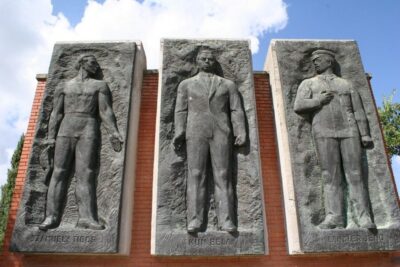
- 41 communist-era statues in an open-air setting, including major names like Marx, Engels, and Lenin
- Stalin’s Grandstand storyline and why the original statue was pulled down, leaving Stalin’s boots
- Propaganda explained on the ground, including how the regime changed daily life and the idea of the rule of law
- Secret police and intimidation, with an emphasis on what “pressure” looked like for ordinary people
- Small-group pacing with real time for sightseeing and photos, plus help getting into the picture
Why Memento Park Feels Like a History Lesson With Teeth
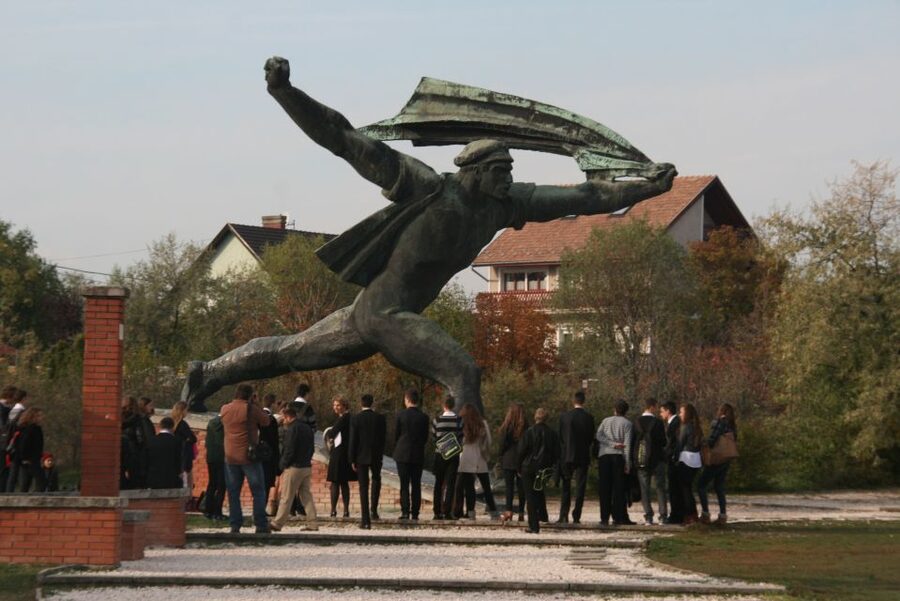
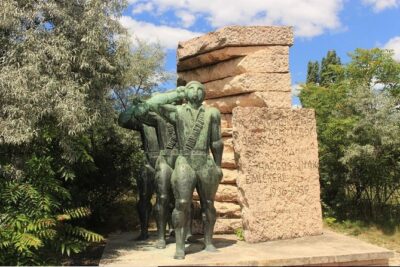
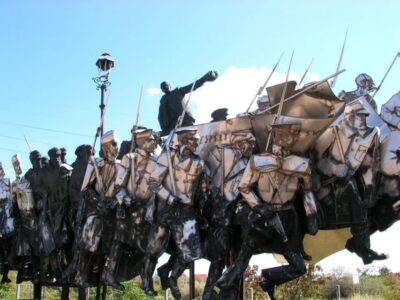
Budapest has plenty of history museums. This one hits differently because it’s outdoors, and the scale is the message. Memento Park is where many communist statues were placed after the system fell, so the monuments you see are not random decorations. They are deliberate statements, built to broadcast power and “approved” ideology.
I like that the tour is honest about why these icons mattered. You’ll learn how communism found room in Hungary after World War II, and how the theory of Marx turned into a nightmare for millions in practice. The guide also connects the dots from ideology to everyday control, including how the regime’s approach to the rule of law shifted once communists gained power.
One good reason to book this rather than going solo: you need the explanations to understand why the statues look the way they do. Without context, it’s easy to treat them like just big sculptures. With the tour, you start reading the space. You notice how propaganda is designed to persuade and intimidate at the same time.
More of the communist decades:
- Budapest: Communist History Tour with House of Terror Option
★ 4.8 · 182 reviews - Communism in Hungary with a Historian
★ 5.0 · 70 reviews - Budapest: 3-Hour Walking Tour About Communism (Small Group)
★ 4.7 · 70 reviews
From Batthyány tér to the Park: The 16 km Transfer That Sets the Tone
You meet at Batthyány Square, right by the Danube. The handy detail here is that you can get there using Metro line 2 or trams 19 or 41. The meeting spot is in front of St. Anne Church, with its two towers, which makes it easier to find your guide fast.
Then comes the quiet setup phase. You ride out to Memento Park by private car, about 10 miles (16 km) from the city. It’s around 45 minutes each way, so you’re not rushing through the experience. This time in the car matters because it gets you oriented before you hit the monuments.
For me, this logistics design feels like good value. You’re not spending your attention on transit math. You’re using that time to listen and prepare your eyes for what’s ahead. For the park itself, that matters because the entire point is proximity. You’re close enough to really feel the monument scale and the intended intimidation factor.
Walking the Open-Air Museum: Marx, Lenin, and the Propaganda Machine
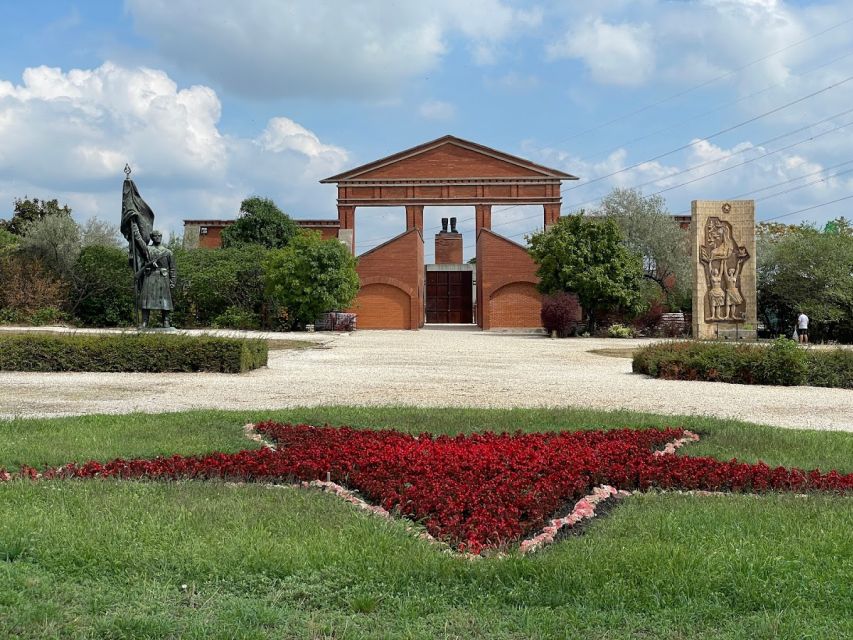
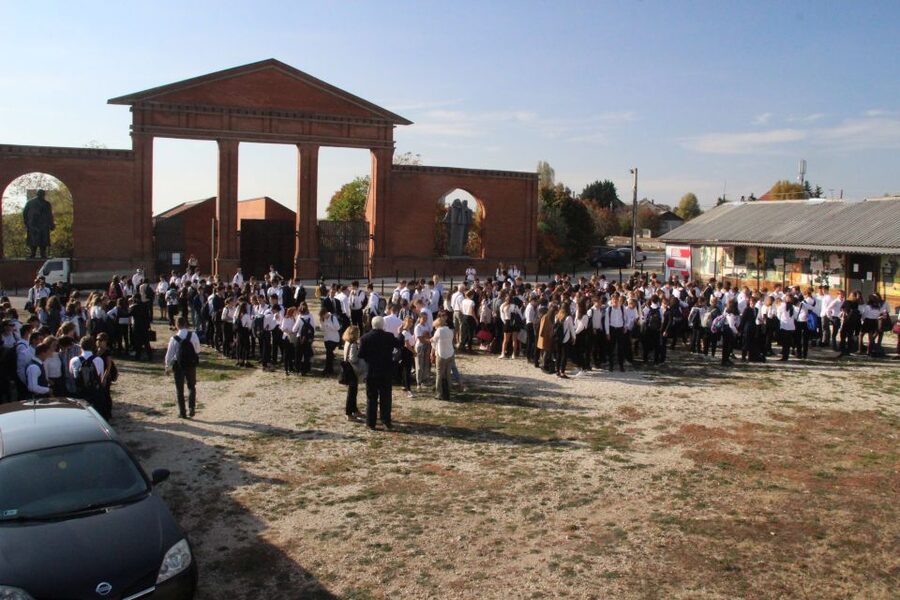
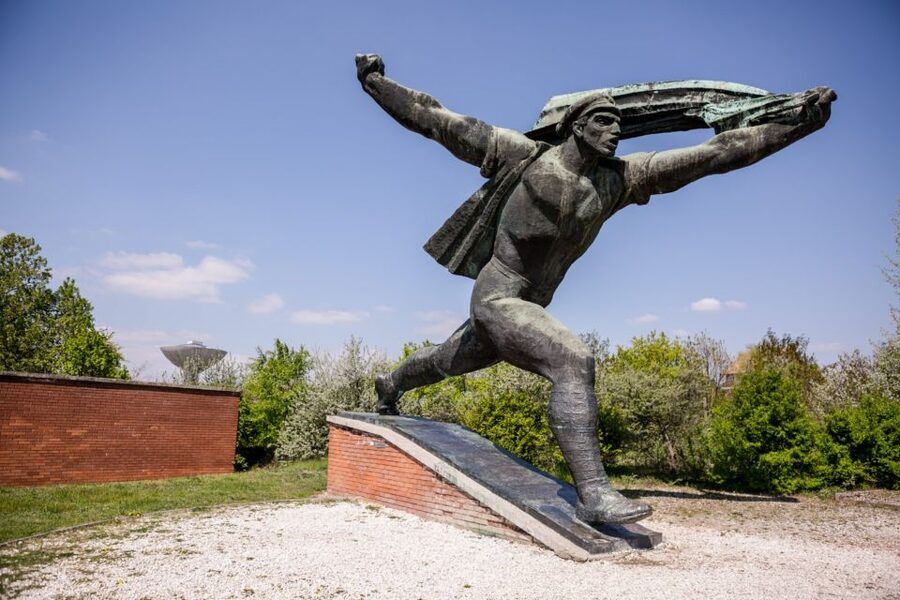
Once you arrive at Memento Park, you’ll join a museum-guided walk plus time to explore. The visit is about 1.5 hours on site, including guided storytelling, sightseeing, and a chance to wander. The park is described as a unique open-air museum, with 41 statues from the communist past.
You’ll hear about the big names you’ll see: Marx, Engels, Lenin, and more. But the guide’s real skill is connecting those names to how the regime tried to shape reality. This isn’t a neutral “here are famous people” tour. You’ll learn how ideology and messaging were used to control what people believed, what they felt was normal, and what they were afraid to question.
A key part of the explanation focuses on how rule-based life changed once communists held power. You’ll also learn how the propaganda machine worked, meaning: how messaging was repeated, how it was meant to look official, and how it was designed to make the system feel inevitable.
One practical note: because the park is outdoors, bring good walking shoes and plan to spend real time looking up at statues. The guides’ stories are easier to follow when you can stop where the monument details are visible.
Stalin’s Grandstand Story, Then the Boots That Remain
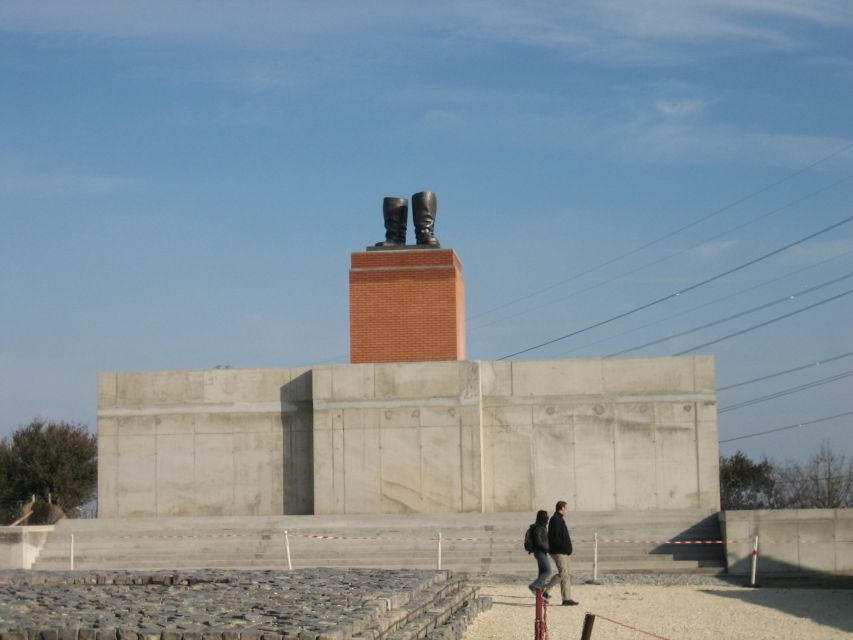
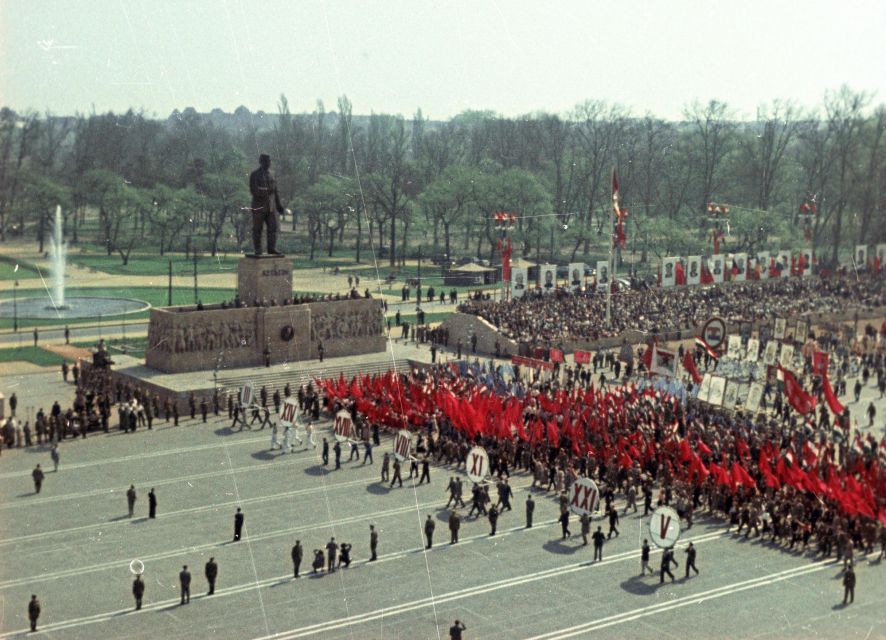
The emotional center of the visit is the section tied to Stalin. The tour sets you up to imagine the crowd scene in front of the Stalin Grandstand, where an angry revolt dragged down the huge statue of a hated dictator.
Today, instead of the full figure, what you see is Stalin’s boots. That detail matters because it turns removal into a symbol. The tour frames the boots as a sign of people’s longing for freedom, a way of saying the empire’s image could be toppled, even if fear had once kept everyone quiet.
This is also where the tour’s theme gets personal, even if you’re not emotionally invested in the politics. The guide talks about how manipulation kept people in line, then explains how people tried to resist. Watching the boots, you start to understand why the regime needed monuments in the first place. When power feels fragile, it has to advertise itself everywhere.
I think this section is strong for two reasons. First, it’s visual. You see the physical artifact that history left behind. Second, the guide gives you the “why,” not just the “what.”
A different sort of Budapest afternoon:
- Budapest: City Highlights Sightseeing Cruise
★ 4.6 · 43,981 reviews - Budapest: Unlimited Prosecco, Beer and Aperol Spritz Cruise
★ 4.8 · 37,304 reviews - Budapest: Széchenyi Spa Day Ticket with Optional Upgrades
★ 4.3 · 23,911 reviews - Budapest: Nighttime or Daytime Sightseeing Cruise
★ 4.2 · 21,062 reviews
The Secret Police, Intimidation, and the Human Scale of Control
Communist rule was not only about symbols. The tour makes that clear by shifting from statues to people. You’ll learn how secret police under Soviet rule recruited new members and how ordinary individuals could be intimidated.
This part is important because it explains why propaganda was so effective. Statues and slogans didn’t work alone. People also had to believe that the system could reach them, watch them, or punish them. That combination is what makes manipulation feel believable when you don’t have the power to resist.
The guide also covers how some brave people managed to escape the grip of the system. Even if you only catch fragments, the overall story is clear: the ideology had political teeth, and real human choices were constrained by fear.
I’d call this one of the more meaningful portions of the tour because it keeps the focus on human consequences. You’re not just ranking political leaders. You’re learning how everyday life can change when law, truth, and punishment start serving one side.
Victor’s Style: Context, Photos, and a Pace You Can Handle
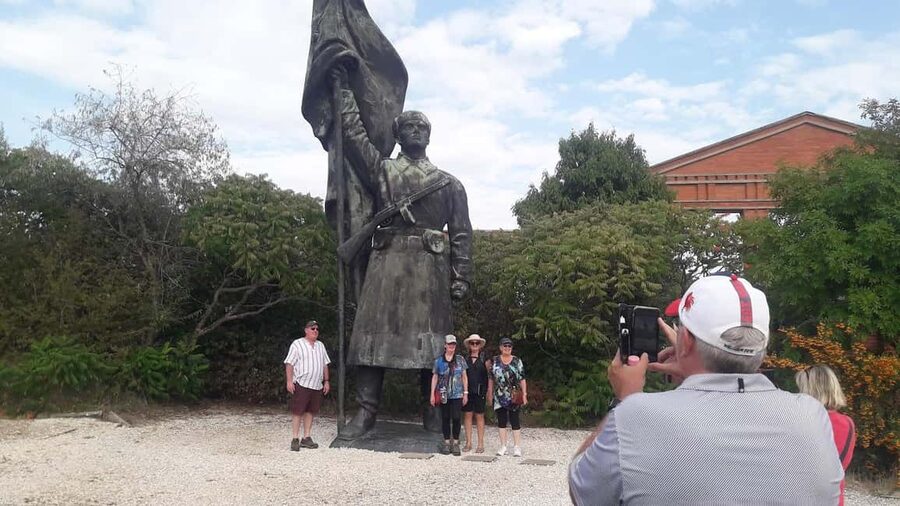
Your guide for this experience is Victor, and the impact shows up in the way the tour runs. Several visitors highlighted how Victor is engaging and how he brings extra teaching tools, including laminated photos to help explain what you’re seeing. That matters because statues can be visually obvious but historically confusing. A quick photo reference can turn guessing into understanding.
You’ll also get photo support. The museum stop is designed for pictures, and the guide will help if you want to be in the photo with the statues. This is one of those “small” touches that changes the whole experience. You’re not just staring at monuments. You’re creating a memory tied to the story.
The tour also includes a bottle of water, which sounds simple until you’re walking outside in warm weather. The pacing has built-in space for you to look around at your own speed, not just march from point to point.
If you like asking questions, this tour works well. The guide’s explanations are organized enough to follow, but flexible enough for you to ask why a particular statue, pose, or setting mattered.
Price and Value: What $68 Buys in a 3-Hour Experience
At $68 per person for about 3 hours, you’re paying for more than a museum ticket. You’re buying a guided learning experience plus a private transfer from the city center.
Here’s what’s included that affects value:
- Transport by car from Batthyány tér to the park and back
- Entrance fee to Memento Park
- A live English-speaking licensed guide at the museum
- Small group size (limited to 7)
- Skip the ticket line
- Bottle of water
- Photo help at the statues park
If you tried to do this on your own, you’d still spend time and energy on logistics. You’d also likely miss the cause and effect the guide explains, especially the sections about propaganda, changes to rule of law, secret police intimidation, and why people escaped.
So the real question isn’t the sticker price. It’s whether you want a guided interpretation that makes the monuments legible. If yes, the cost makes sense for a short, focused trip.
Is This Tour for You? (And When It Might Not Fit)
This tour is a great match if you care about history and politics, or if you want to understand how art and monuments can be used as tools of power. It’s also a strong choice if you like clear explanations and visual context, because you spend time both looking and listening.
It may not feel like the best fit if you’re hunting for light sightseeing or a purely scenic walk. This experience is designed to help you grasp how dictatorship used public messaging and intimidation. You may find it emotionally uncomfortable, and that discomfort is part of why it can be memorable.
For families, it can work if you’re traveling with teenagers who are genuinely curious about 20th-century politics. The pace is manageable, and the guide’s storytelling approach helps make the subject understandable.
FAQ
FAQ
Where is the meeting point for the tour?
The tour meets at Batthyány Square by the River Danube, in front of St. Anne Church (the church with two towers).
How do I get to Batthyány Square?
You can reach it using Metro line 2 or trams 19 or 41.
How long does the tour take?
The total duration is 3 hours, with about 45 minutes for the transfer each way and about 1.5 hours at Memento Park.
What’s included in the price?
The price includes pickup and transport by car to Memento Park and back, the entrance fee, a live English-speaking licensed guide, a bottle of water, and the ability to take pictures at the park (with help from the guide if you want).
Is the group size small?
Yes. The group is limited to 7 participants.
Will I get time to walk and take photos at Memento Park?
Yes. You get guided time plus free time and sightseeing/walking, and you can take photos among the statues.
Is food included?
No. Food is not included.
Should You Book This Tour?
If you want more than a quick visit and you care about understanding how communist propaganda worked in Hungary, I think you’ll be glad you booked. The combination of small-group guiding, included transport from Batthyány tér, and the focus on the meaning behind the monuments makes it a high-efficiency way to learn. Just go in knowing the topic is serious, and you’ll get a much better experience from start to finish.
Newest reviews from Budapest
- Private Tour Around Budapest★ 5.0 · 10 reviews
- Born Under The Red Star – Communist tour with Coffee in a Retro Bar★ 5.0 · 10 reviews
- Live virtual walking tour in the Buda Castle quarter★ 5.0 · 10 reviews
- Taste Budapest – Fat Boy Foodies Walk★ 4.5 · 10 reviews
- Wine & Food Tasting Cruise on the Danube★ 3.5 · 10 reviews
- Private Transfer from Budapest to Prague with 2 hours for sightseeing★ 4.5 · 10 reviews
- City Park True Crime of Hungary and Night Walk Tour in Budapest★ 5.0 · 10 reviews
- The Real Saw | Escape Room by PÁNiQ SZOBA★ 4.1 · 10 reviews
Communist-Era History, compared.
3-Hour Walking Tour About Communism (Small Group)
Read our review →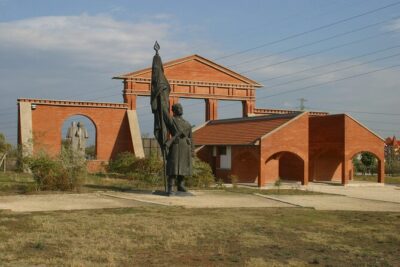
Memento Park Visit with Private Trabant Transfer
Read our review →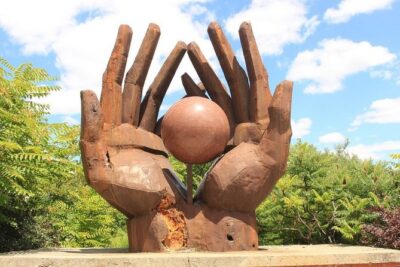
Memento Park: Official Guided Tour with Entry Ticket
Read our review →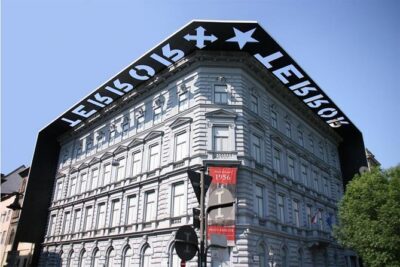
Browse the lists this tour appears in