
Reviewed · WALKING TOURS
3-Hour Orientation Walking Tour of Buda and Pest
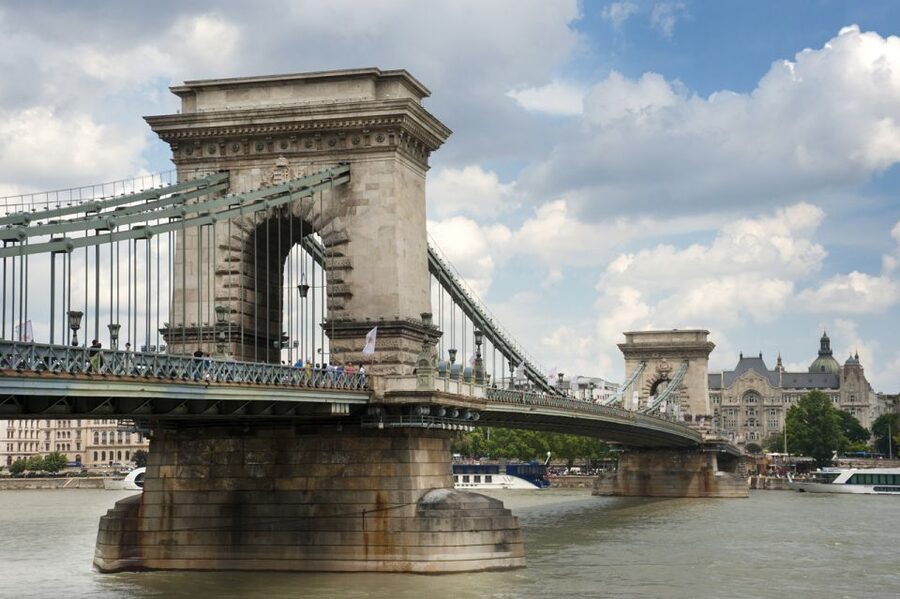
This tour is interesting because it links the big Budapest postcards with real street-level context, then moves you across the Danube using the local system. I love the way you start at Saint Stephen’s Basilica and end with a clearer mental map of how Buda and Pest fit together. I also like that you are not just staring at buildings, you get practical guidance on public transport and what to focus on next. One drawback to plan for: you are on your feet for most of the 3 hours, so it can feel long if you are dealing with heavy cold weather or sore legs.
The quality really depends on the guide, and that is where this tour shines. You might get someone like Zoli, who shares easy-to-follow history and very useful transit tips, or Verónika Lantos, who can tailor the pace and explanation so the city clicks fast, even during the Basilica stop.
Key points to know before you go
- Start in the perfect orientation spot: Saint Stephen’s Basilica and the surrounding streets help you orient fast.
- You see both sides of the Danube using public transport, not just a quick photo stop.
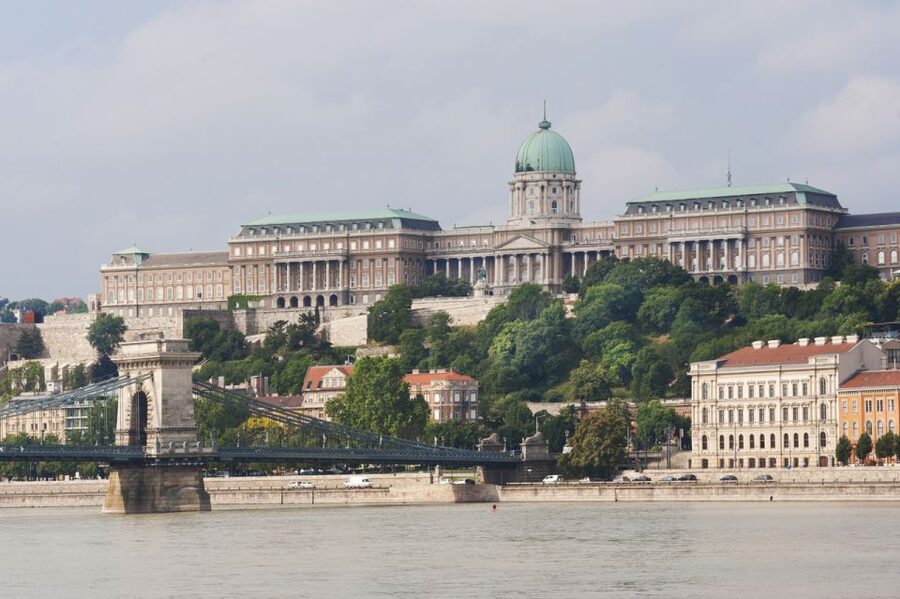
- Major sights with a first-timer lens including Matthias Church, Buda Castle, and the Hungarian Parliament.
- Small groups help you ask real questions and get answers on the spot.
- Guides add extra practical value like how to use a travel ticket system and what to do after the tour.
- Some versions include a tower climb at the Basilica stop, giving you standout views if you want them.
Getting oriented at Saint Stephen’s Basilica, then reading the city like a local
The tour meets next to Saint Stephen’s Basilica, right in front of the California Coffee Company. That is a smart start. You are in Pest, in a part of town where you can quickly understand how people actually move and where the major sights cluster. The Basilica itself is an orientation tool, not just a landmark: the dome dominates the view, and it becomes your visual anchor while you learn what came before and what is happening now.
At the Basilica stop, your guide sets the tone for Budapest. You will learn how this church fits into the Hungarian story and why it still matters in everyday city life. If your group includes time for a tower climb, it is a big payoff, since you get a high vantage point and an easy way to grasp the layout of the inner districts. Even if you skip the climb, you still leave with a cleaner understanding of scale, street angles, and how the city’s hills shape where buildings end up.
Timing matters here. Because the tour only lasts 3 hours, the Basilica portion tends to be energetic and purposeful, not slow and museum-like. That is good for most people on a first day. If you are the type who wants to linger for 30 minutes per stop, you might find this brisk. The tradeoff is that you gain a whole- city overview fast.
Other Budapest bookings worth a look
- Budapest: Buda Castle Walk with Saint Stephen’s Hall
★ 4.5 · 3,012 reviews - Budapest: Buda Castle District Walking Tour
★ 4.6 · 2,108 reviews - Budapest City Landmarks Walking Tour in 2 Hours
★ 5.0 · 2,048 reviews
Hungarian Parliament building views and why the photo angles matter
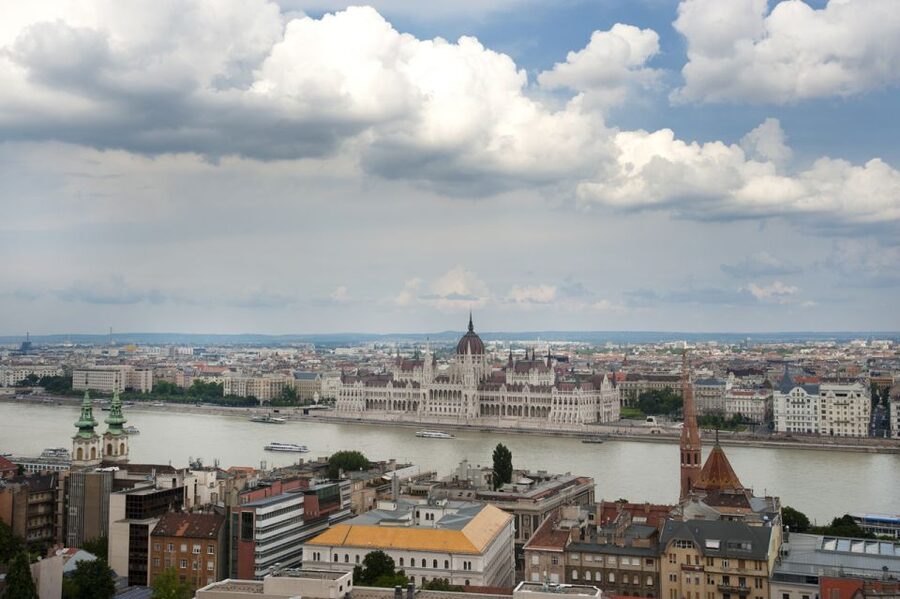
From the Basilica area, you move toward the Hungarian Parliament building zone. This is one of Budapest’s most recognizable landmarks, and the guide’s job is to keep it from becoming just a backdrop. You will learn what it represents and why it is tied to the country’s political and cultural timeline.
Why I like this stop in an orientation tour: Parliament is massive, and without context it is easy to treat it like a simple sightseeing target. With a local guide explaining what you are looking at, you start noticing details that you would otherwise miss. You also get practical cues, like when it is worth pausing and where to stand for a better view, since the surrounding streets and buildings affect sightlines.
A quick note on expectations: you are not going to get a full inside visit based on the information provided. Think of this segment as a powerful exterior introduction. If you later want to go inside, the tour helps you know what to look for and which questions to bring when you book that separate visit.
Crossing the Danube by public transport, not just by postcard
One of the most useful parts of the experience is the public transport crossing from Pest to the Buda side. The tour is mainly on foot, but you will also take the metro and bus to get across the Danube. That does two things for you.
First, it makes the route feel real. You are moving like residents do, not stepping into a closed sightseeing bubble. Second, your guide turns transit into a mini lesson. In particular, groups have been taught how to use the public transport system and how to choose the best-value travel ticket for your stay.
Here is the part you need to budget for: public transport tickets cost 4 tickets per person, for a total of 1400 HUF. Those tickets are not included in the tour price. It is a small add-on, but it can change how smooth your day goes if you show up without the money ready.
Practical tip: keep some flexibility in your schedule for transit and brief stops. Three hours sounds short, but moving between Buda and Pest takes time, and you will want a calm moment to take in what you are seeing from street level and bridge views.
Matthias Church and the Buda Castle zone, where the story gets physical
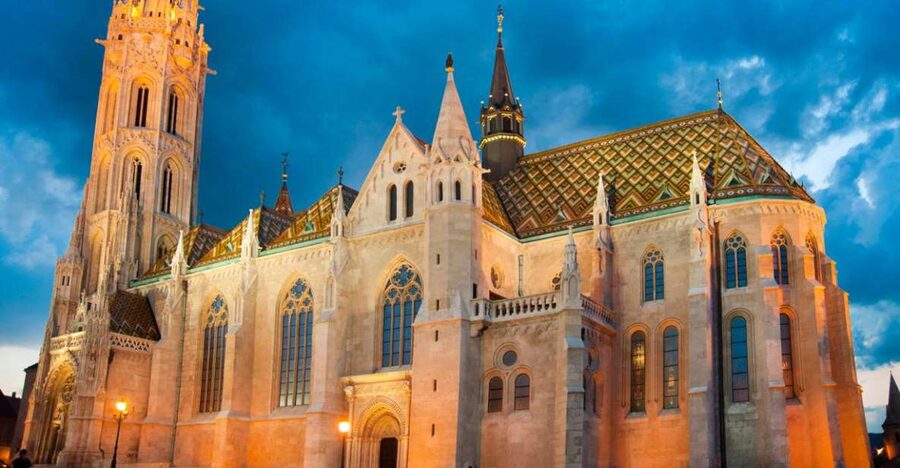
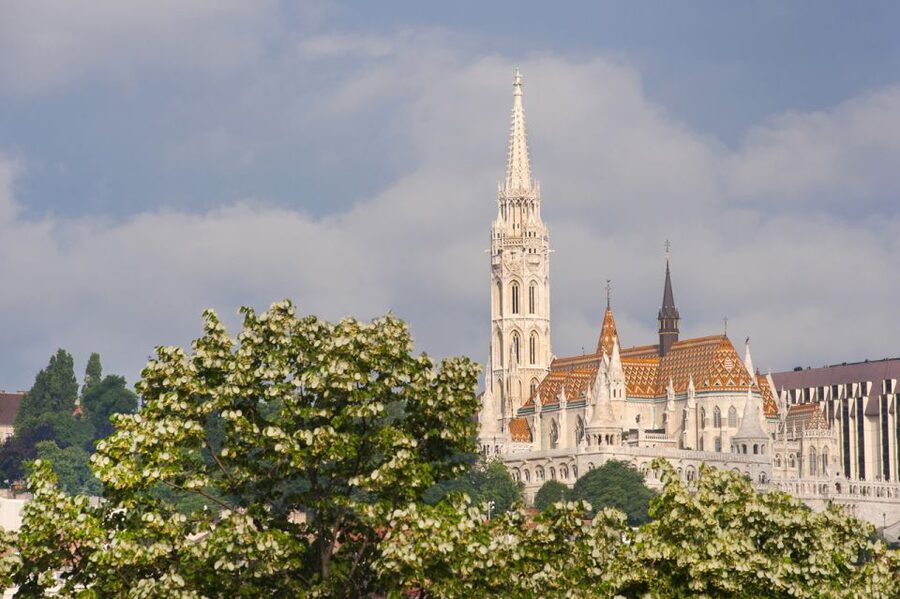
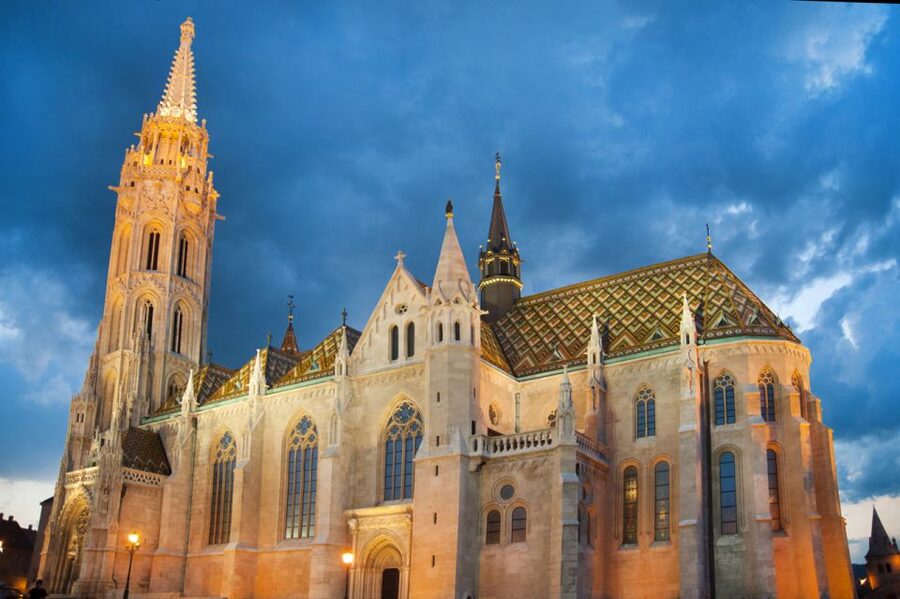
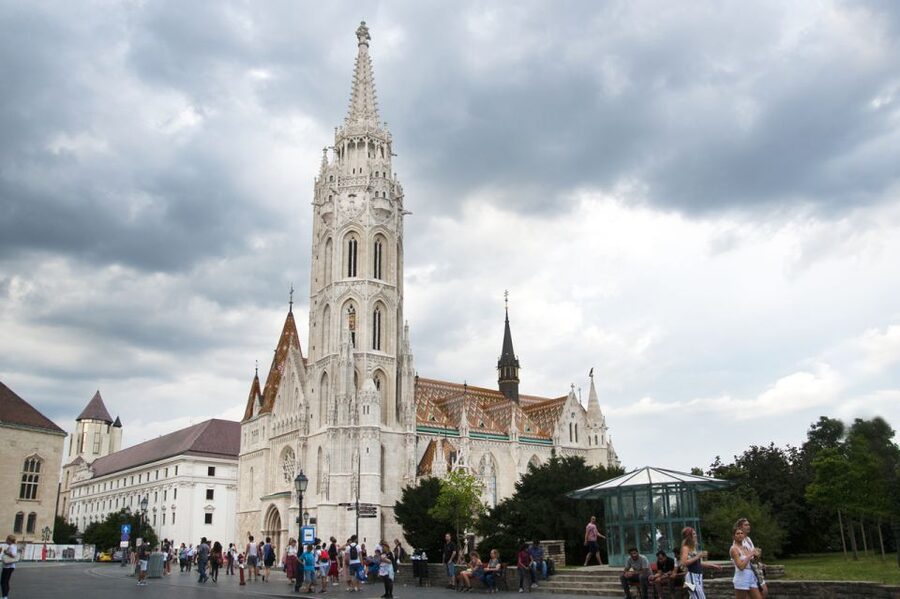
Once you reach the Buda side, the tour tightens into the castle area. Matthias Church is one of the highlights, and you will get the kind of explanation that helps you recognize what you are actually looking at. This area does not work as well if you treat it as a checklist. The guide helps connect the architecture to the broader Hungarian story so you walk away with more than just photos.
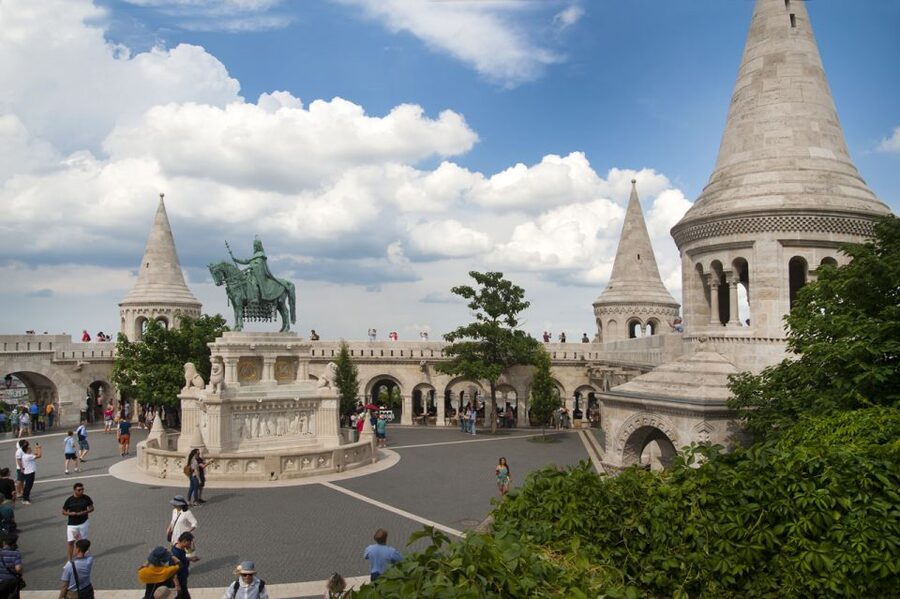
Then comes Buda Castle and the Royal Palace area. This is where orientation turns into a map you can actually use. The castle district is not one simple site. It is a cluster of viewpoints, courtyards, and historic structures that sit above the river. If you visit on your own without a plan, it is easy to miss how the lines of streets and stairs lead you between levels.
A guided orientation helps you understand:
- how to approach the castle district without feeling lost
- where the best sight opportunities are, based on how people naturally move through the area
- which parts are worth revisiting later for longer photo sessions
One more detail that matters: the castle area can feel windy and cold, especially if your trip is during winter. The tour keeps moving, so you should dress for short bursts of walking plus a few pause-and-look moments. If you want more time in the viewpoints after the tour, that is exactly what the guide’s orientation is for.
A different sort of Budapest afternoon:
- Budapest: City Highlights Sightseeing Cruise
★ 4.6 · 43,981 reviews - Budapest: Unlimited Prosecco, Beer and Aperol Spritz Cruise
★ 4.8 · 37,304 reviews - Budapest: Széchenyi Spa Day Ticket with Optional Upgrades
★ 4.3 · 23,911 reviews - Budapest: Nighttime or Daytime Sightseeing Cruise
★ 4.2 · 21,062 reviews
How the guide turns 3 hours into a real city plan
The reviews for this tour place a huge amount of weight on the guide, and after reading between the lines of many experiences, the pattern is consistent: great guides do not just recite facts, they help you ask better questions.
If you get Zoli, one common theme is that he combines humor with clear explanations and follows it up with practical advice for the rest of your stay. Alexandra is another example of a guide who shapes the tour around the group’s interests and keeps the conversation going at a pace that still feels structured. Verónika Lantos is often praised for flexibility, adjusting to the group while keeping the big themes easy to follow.
This matters because Budapest can be confusing on day one. You have hills, split neighborhoods, big monuments that look close but are not, and a metro and bus system that feels intimidating at first glance. When the guide also teaches you how to use the public transport and how to pick a value ticket, your future self gets a break. Instead of re-learning the basics after a long day, you get it now.
So yes, you will learn about the past, present, and future of Budapest during the walk. But the real win is what that knowledge does for you: it helps you choose what to do next without guessing.
Price and pacing: is $41 worth it for 3 hours?
At $41 per person for a 3-hour orientation, this tour is priced like a solid value option, especially if it is your first time in Budapest. You are paying for two things: time-saving planning and interpretation.
You are also getting multiple major sights covered, including:
- Saint Stephen’s Basilica
- Hungarian Parliament building
- Matthias Church
- Buda Castle
- Royal Palace
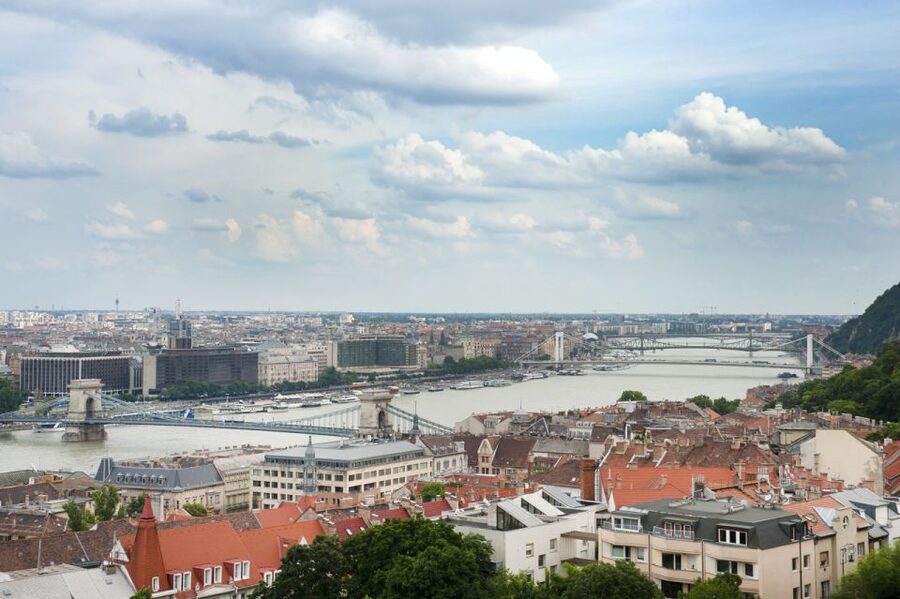
And you are crossing the Danube using public transport instead of paying for extra transport or limiting yourself to a single side.
The main cost you should factor in is not the tour price, it is the public transport tickets. Budget 1400 HUF per person for the 4 tickets used during the metro and bus crossing. When you add that, you are still generally in a reasonable range for a guided “see the city fast, plan the rest” day.
Pacing is another value point. The tour is designed to feel like you covered a lot without treating you like cargo. Many experiences report that the 3 hours feel quick, which is what you want from an orientation walk.
Who should consider this most:
- First-timers who want a fast, clear map of Buda and Pest
- Travelers who prefer walking but also appreciate a practical transport lesson
- People who like history explained in plain language, with room for questions
- Couples, small groups, and solo travelers who want an organized first day without committing to a full-day plan
Who might hesitate:
- Anyone who needs very slow sightseeing and lots of unstructured time at monuments
- People who strongly dislike cold weather walks (even with frequent pauses, you are outside)
What to expect during the walk, and how to prepare
Expect frequent stops for explanation, photos, and quick questions. The guide’s style is usually interactive, not lecture-only. That is part of why the guide matters so much. You are not just collecting facts, you are building a sense of how Budapest connects.
Here are practical prep tips that keep the day smooth:
- Wear comfortable shoes with good grip. The castle district area includes slopes and uneven steps.
- Bring a warm layer, especially if you plan to do any tower climb or if your tour timing is during colder months.
- Bring a small amount of cash or ensure you can handle the 1400 HUF ticket cost for metro and bus.
- If you care about photos, keep your phone charged, and be ready to pause longer at the biggest exterior viewpoints.
Also, remember this is a “get your bearings” tour. Think of it as step one. After you finish, you will be better able to choose which neighborhood to explore for longer, because you will know where things sit and why they matter.
Languages, group size, and why small can feel better
The tour runs with live guides in English, French, German, Italian, Russian, and Spanish. That makes it easier to feel comfortable asking questions, which is where a guided walk pays off.
Group size is another plus. You can book private or small groups, and some groups have been as small as four. In a small group, you hear better, you get faster answers, and you are less likely to feel rushed in crowded spots. It also tends to be easier for the guide to tailor the pace when people ask about what they should do next.
If you are traveling with family or a mixed-age group, the format also helps because you can stop, listen, ask, then move on without committing to a long indoor schedule.
Should you book this Buda and Pest orientation walking tour?
If you want a first-day plan that makes Budapest feel understandable quickly, I would book it. For $41 plus the public transport ticket cost, you get a guided route that connects major sights on both sides of the Danube, plus the kind of transit advice that saves time and stress later.
I would especially book if:
- you are short on time and want the highest-impact overview in 3 hours
- you prefer asking questions in real time during sightseeing
- you want a guide who can help you decide what to do after the walk, not just show you monuments
I would skip or swap to a slower plan if you hate walking, dislike cold exposure, or want full interior visits at each stop. This experience is designed to orient you fast, not to turn into a museum day.
FAQ
Where does the tour meet?
Meet next to Saint Stephen’s Basilica, in front of the California Coffee Company coffee shop.
How long is the walking tour of Buda and Pest?
It lasts 3 hours.
What’s included in the price?
The tour and a live guide are included.
What public transport costs should I budget for?
Public transport tickets are not included. The tour uses metro and bus tickets, and the cost is listed as 4 tickets per person, totaling 1400 HUF.
Is the tour mostly walking or mostly riding?
It is mainly on foot, with public transport used to cross the Danube from Pest to the Buda side.
Which sights will I see during the tour?
You will cover major stops including Saint Stephen’s Basilica, the Hungarian Parliament building, Matthias Church, Buda Castle, and the Royal Palace.
What languages are the guides available in?
The live tour guide is available in English, French, German, Italian, Russian, and Spanish.
Is this tour only for large groups?
No. Private or small groups are available.
Can I book with flexible payment and cancel if needed?
Yes. You can reserve now and pay later, and free cancellation is available up to 24 hours in advance for a full refund.
Newest reviews from Budapest
- Private Tour Around Budapest★ 5.0 · 10 reviews
- Born Under The Red Star – Communist tour with Coffee in a Retro Bar★ 5.0 · 10 reviews
- Live virtual walking tour in the Buda Castle quarter★ 5.0 · 10 reviews
- Wine & Food Tasting Cruise on the Danube★ 3.5 · 10 reviews
- Taste Budapest – Fat Boy Foodies Walk★ 4.5 · 10 reviews
- Private Transfer from Budapest to Prague with 2 hours for sightseeing★ 4.5 · 10 reviews
- The Real Saw | Escape Room by PÁNiQ SZOBA★ 4.1 · 10 reviews
- City Park True Crime of Hungary and Night Walk Tour in Budapest★ 5.0 · 10 reviews
Walking Tours, compared.

Budapest City Landmarks Walking Tour in 2 Hours
Read our review →
Budapest Historical Sightseeing – Free Walking Tour
Read our review →
Budapest Food Walking Tour: Eat, Sip & Explore Like a Local
Read our review →
Buda Castle District Walking Tour with a Historian
Read our review →
BloodThirsty Hungary: Walking tour & Dark Historical Stories
Read our review →Browse the lists this tour appears in