
Reviewed · WALKING TOURS
Alternative Budapest Walking Tour
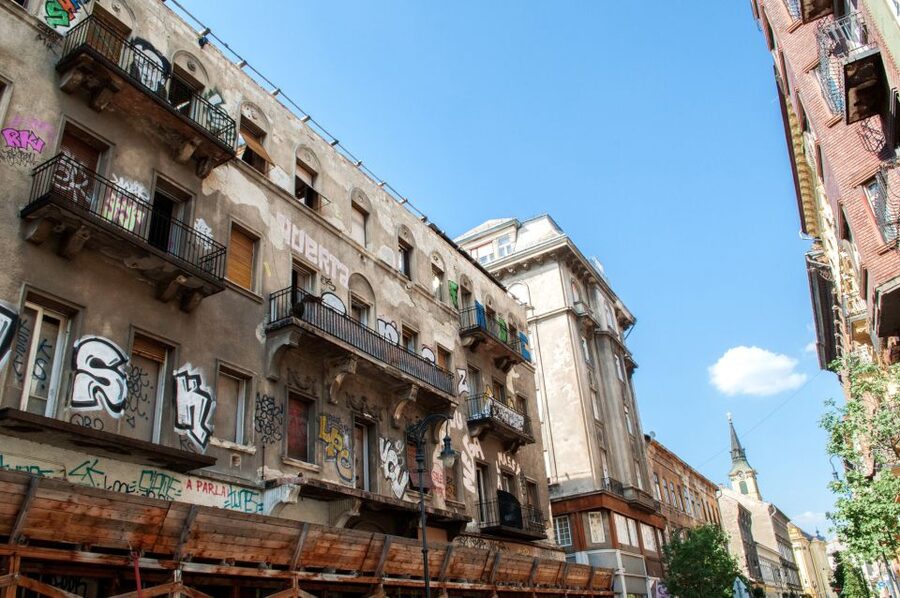
Budapest can feel like two cities, and this tour leans hard into the street-level side that most people miss. You’ll follow an ever-changing route through Buda and Pest, centered on street art and the alternative culture around it.
What I like most is the small group size (limited to 10), which means you get real back-and-forth, not just hearing a lecture. And I love how the stops are built around the scene, from ruin bars and live music venues to art spaces and design shops, with guides like Raymond, Petra, and Krisztián sharing local context.
One thing to consider: it’s not suitable for people with mobility impairments or wheelchair users, since it’s a walking tour in busy areas and you will likely be going in and out of places.
Key things to know before you go
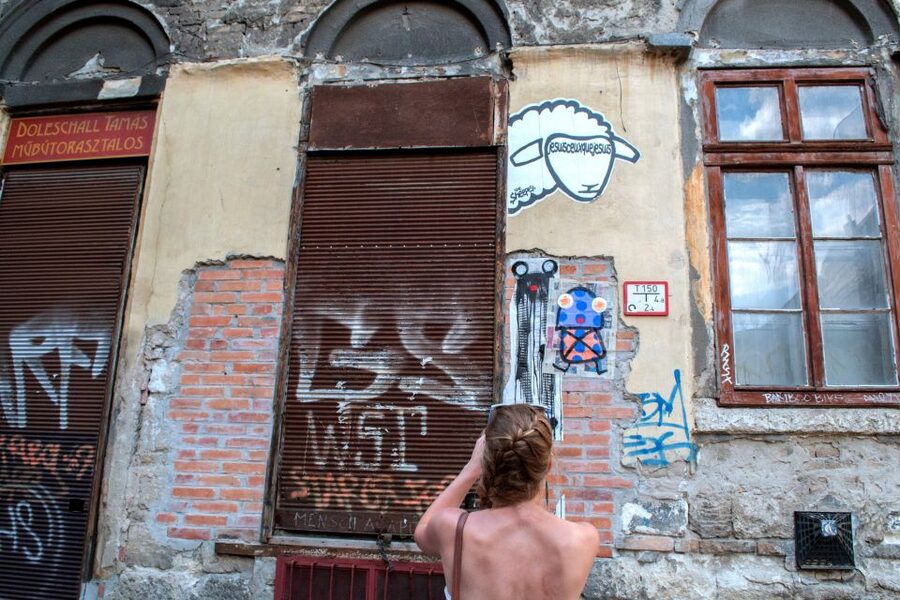
- A street-art focused route across Buda and Pest that changes over time
- Small group (max 10), so you can ask questions and steer the conversation
- Jewish District as a starting point, with squats, cultural centers, and alternative spaces
- Stops that blend drinks and art, like ruin bars, coffee collectives, and creative hangouts
- Guides who shape your rest of the trip, sharing up-to-date tips for what to do next
- Practical walking-tour pace for 2.5 hours, with comfortable-shoes advice for a reason
Why this Alternative Budapest Walk feels different from the usual tour

The classic Budapest tours do a solid job with the big landmarks. This one goes for the other layer, the one you only notice when you’re looking at walls, shop windows, and doorways instead of only façades. The premise is simple: Budapest’s alternative culture is right there on the street, and you just need a guide who knows what to point out.
I like that the tour doesn’t try to pretend the city is only one thing. It frames the present and future, including underground music and fashion, and then uses specific local history to explain why the scene looks the way it does. You’ll hear stories that connect neighborhoods to the people who create, paint, perform, and host.
Also, the tour is honest about what kind of experience it is. This is for people who want to look behind the tourist curtain, get comfortable asking questions, and treat wandering like a way to learn.
Other Budapest bookings worth a look
- Budapest: Buda Castle Walk with Saint Stephen’s Hall
★ 4.5 · 3,012 reviews - Budapest: Buda Castle District Walking Tour
★ 4.6 · 2,108 reviews - Budapest City Landmarks Walking Tour in 2 Hours
★ 5.0 · 2,048 reviews
Meeting at the Lutheran Church steps and getting your bearings
Your start point is easy to describe: meet your guide in front of the Lutheran Church (pale yellow), on the church steps. That matters because the tour is designed to move you into streets and districts that feel different from the postcard routes.
The guide-led format is also part of the value. In a small group, you’ll usually get quick orientation, then the walking begins. A couple guides in past groups are described as interactive and chat-friendly, even taking time to sit together briefly. That kind of pacing is helpful because street art and scenes are easiest to understand when you’re not rushing past them.
Bring comfortable shoes and dress for weather. The tour runs about 2.5 hours, and the whole point is moving between neighborhoods and creative pockets, not hopping between distant sites with long breaks.
Pest’s Jewish District: where alternative culture takes the lead
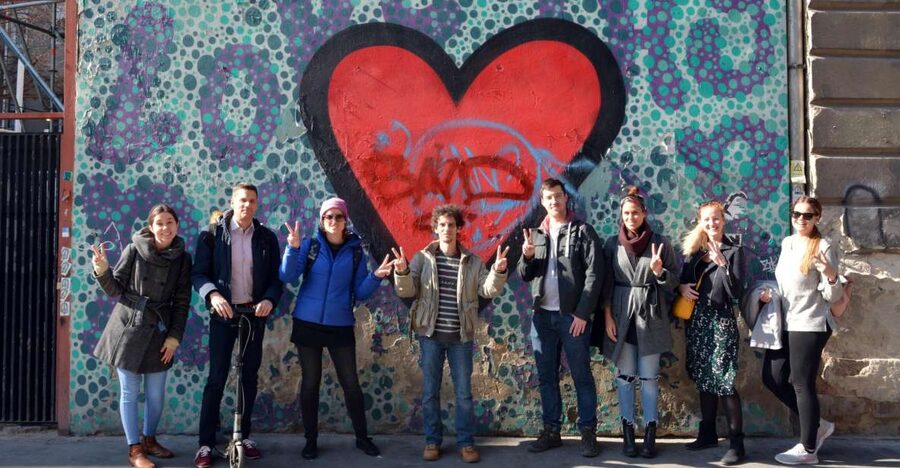
A key theme here is the Jewish District. The tour heads away from the main tourist hangouts and toward the area where Budapest’s alternative culture has been kicking off, in a way that gets compared to other European cities where old, neglected spaces became creative hubs.
In practical terms, you should expect to see a mix of:
- Street art and mural walls
- Signs of new life in older structures
- Places that reflect the DIY side of the city, including squats and cultural centers
- Creative hangouts that turn “unused” into “useful”
You’ll also get historical context that makes the scene easier to read. One guide experience described focusing on the history of the Jewish community of Budapest, then tying it to how entertainment districts and nightlife grew around the ruin-bar model. That connection is what keeps this from feeling like a random art-walk.
What’s especially useful for you is the interpretation. Street art changes fast, and without context you can miss what you’re looking at. With a guide, you’re more likely to notice what’s political, what’s memorial, what’s purely aesthetic, and what’s part of local writer culture.
Squats, cultural centers, and abandoned synagogues, handled with care
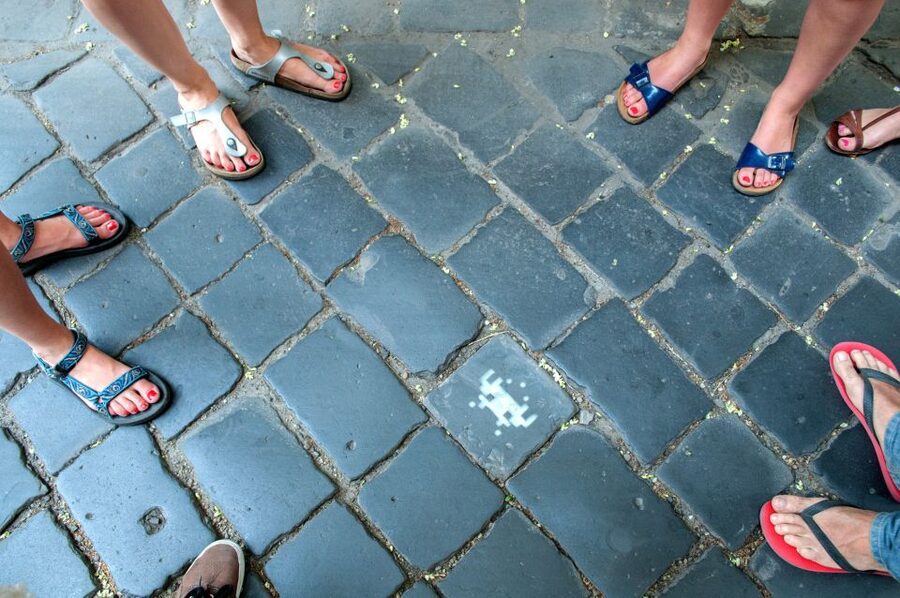
The tour’s “alternative culture” focus includes stops near squats, cultural centers, and even abandoned synagogues. That’s not just shock value. It’s about understanding how people use space, and how a city’s creative community fills gaps.
A balanced point to keep in mind: spaces like this can feel sensitive, and the best guides handle them with respect and context instead of turning them into props. If you’re the type who likes a little historical framing alongside the art, this tour is built for that.
You can also expect a practical rhythm. The tour includes chances to pause, and in cold or wet weather you should plan for pit stops indoors. Past groups noted warm drink breaks, so if the weather turns, you’re not stuck outside for the full 2.5 hours.
A different sort of Budapest afternoon:
- Budapest: City Highlights Sightseeing Cruise
★ 4.6 · 43,981 reviews - Budapest: Unlimited Prosecco, Beer and Aperol Spritz Cruise
★ 4.8 · 37,304 reviews - Budapest: Széchenyi Spa Day Ticket with Optional Upgrades
★ 4.3 · 23,911 reviews - Budapest: Nighttime or Daytime Sightseeing Cruise
★ 4.2 · 21,062 reviews
Ruin bars and coffee collectives: creativity that also pours you a drink
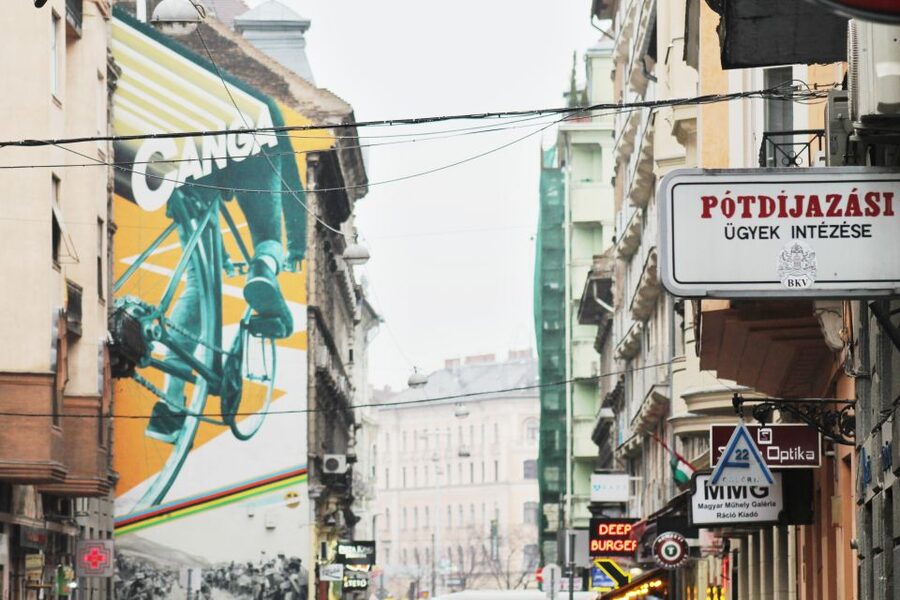
A big reason people love this tour is that it doesn’t treat alternative culture as something you only look at. It also treats it as something you can experience.
You might stop at places like:
- Art and coffee collectives, where the space itself feels like part of the artwork
- Ruin bar-cum community centers, with a mix of social life and creative programming
- A creative book shop or café stop that pairs browsing with local context
One standout ruin bar mentioned is Szimpla Kert. The description that sticks is how the building is made of lots of rooms around a courtyard, with mismatched objects and quirky seating features. A Trabant converted into a seating area is specifically called out, and that kind of detail tells you the place isn’t trying to look perfect, it’s trying to feel like a living workshop of ideas.
Another named stop is Printa, an eco design shop that also works as a place to talk and reset. That’s a smart kind of break for a walking tour because you get out of the wind, see design details up close, and then continue with the mental map intact.
If you’re budgeting, remember food and beverages are not included. But that also means you can choose what fits your tastes, and you’re not paying a bundle price for drinks you might not want.
Street art culture, graffiti writers, and what to look for on the walls
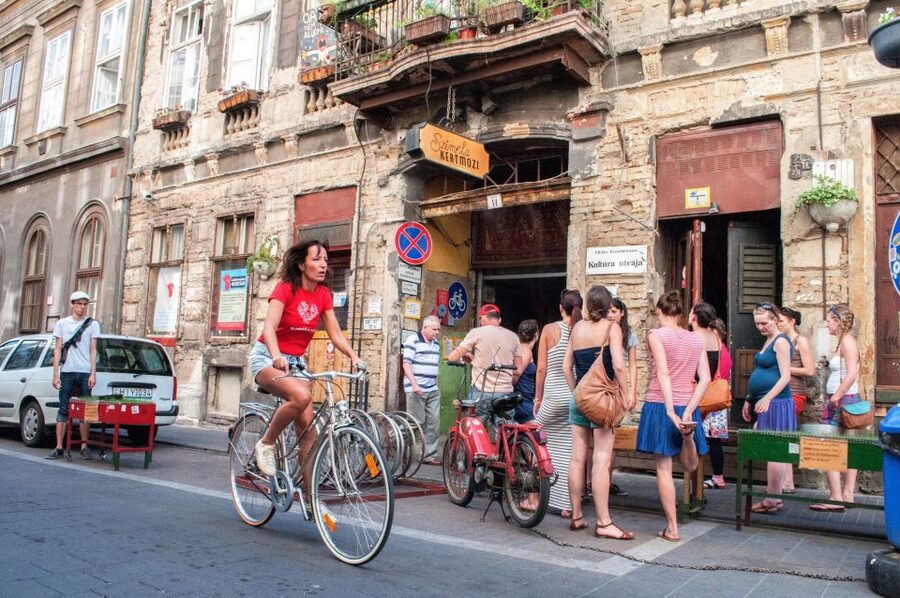
This tour is built around street art, and that’s where your guide’s role really matters. It’s not just about pointing at murals. You’ll learn about local graffiti writers and street artists, including how the culture works and why certain styles appear where they do.
What you’re likely to notice after the tour is how street art isn’t just decoration. It’s communication. It can signal neighborhood identity, support a community, react to politics, or even mark a changing street economy.
A practical tip: when you see a piece, pause for a second and look for context clues. In places like this, older walls often sit beside newer paint, and symbols or tags can point you to who created it and when. Since the tour route is described as ever-changing, your guide can explain what’s new or why a particular wall matters right now.
If you already know street art well, the tour might not feel like a brand-new crash course. But for most people it adds something valuable: a local framework that turns random walls into a story you can follow.
A38 ship bar and other music-leaning stops
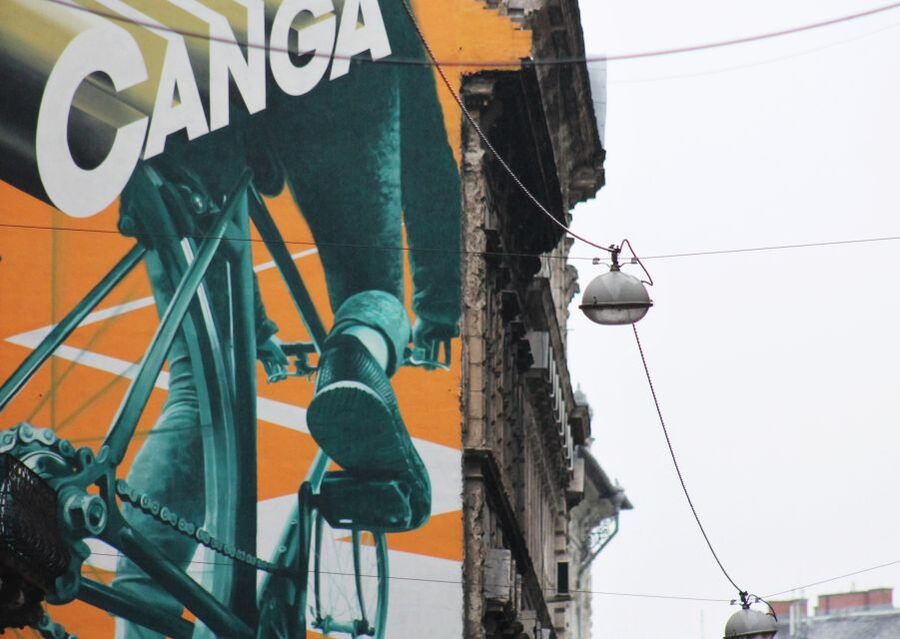
Budapest’s alternative scene includes music spaces, and the tour can include venues tied to that world. One experience mentions A38 ship bar and sound check access, which gives you an idea of how music might show up in the walk, not just as a passing mention.
Even if your exact day doesn’t include a music venue, the tour’s overall direction is clear: it’s interested in what people are listening to, wearing, making, and hosting now, not just what was popular decades ago.
This is a great angle for planning the rest of your trip. After 2.5 hours, you’ll have at least a short list of places and neighborhoods to return to when you want something more local than a standard night-out.
Walking between Buda and Pest: why the route matters
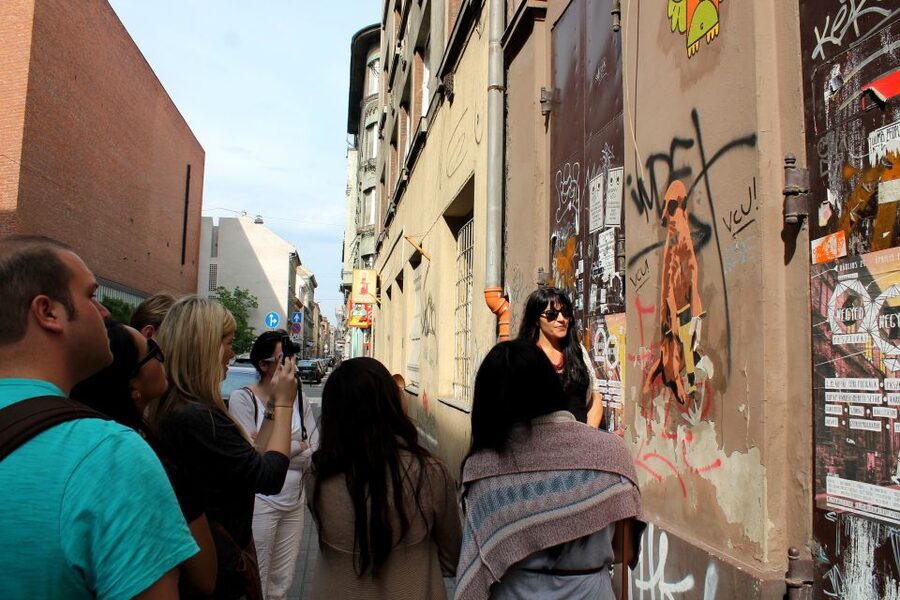
The tour name says Buda and Pest, and the walking between them is part of the point. Budapest’s views and riverside geography are famous, but the real difference shows up in the vibe of the streets you land on next.
Because the route changes, you should think of this as a guided way to understand how alternative culture moves through the city. You’re not only learning where the creative spaces are, you’re learning how the neighborhoods connect and how people discover each other.
Also, walking gives you a texture that a bus or a taxi ride can’t. You see storefront details, side streets, and the physical setting street artists work with. That’s why comfortable shoes matter more here than on a quick landmark stop.
How guides turn a walking tour into an opinion you can use
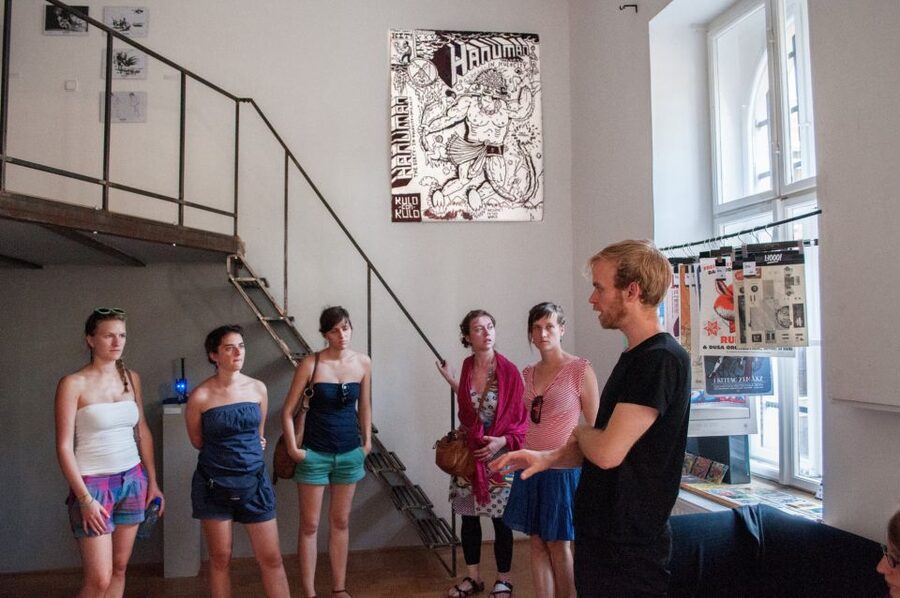
The guide is where the tour becomes personal. Many of the past guide experiences describe being friendly, answer-friendly, and willing to talk. A couple guides, including Raymond and Krisztián, are specifically praised for mixing city history with what you’re seeing today, so you walk away with a mental model of the neighborhood.
You’ll also likely get practical takeaways for the rest of your stay. The experience is designed around your guide giving up-to-date advice, which is exactly what you want when Budapest has so many things to do and you don’t want to guess wrong.
One more small detail that can matter: some groups mention the guide helped them connect the tour to what they did later, including spending more time at a ruin bar afterward. That’s the best sign of a tour that doesn’t end when the walking stops. It sets you up to keep exploring.
Price and value: what $67 buys you in real life
At $67 per person for about 2.5 hours, this is not a budget bargain. But it can be good value if what you want is a guided street-art and alternative-scene tour that includes multiple types of stops, plus context that makes the city easier to understand.
Here’s what you’re paying for:
- A professional, English-speaking guide
- A small group setup that supports questions and interaction
- A route that focuses on places many visitors never find on their own
What you are not paying for is also important. Entrance fees and food and beverages are not included, so plan on spending a bit if you want coffee, beer, or snacks at a stop like a ruin bar or collective.
If you’re the type who only wants top-tier museums or major churches, you’ll probably feel the cost doesn’t match your interests. But if you want street art, ruin bars, and the local creative scene with interpretation, $67 starts to look fair.
Who should book this Alternative Budapest tour, and who should skip it
Book this if you:
- Like street art and want to understand it in a local context
- Want ruin bars, cafés, design shops, and live-music adjacent stops
- Prefer small-group conversation over big-group marching
- Enjoy neighborhoods with character, including parts of the Jewish District and other creative pockets
Consider skipping if:
- You have mobility limitations. The tour is not suitable for wheelchair users or people with mobility impairments.
- You want a classic landmark sprint. This is more about present-day culture than monuments.
- You dislike walking tours. This is about moving and seeing, not about sitting in a vehicle.
If you’re in Budapest for only a short window, this can also work as an early tour. Multiple guides are praised for making it easier to choose what to do next, which is exactly what you want on day one or day two.
Should you book this Alternative Budapest Walking Tour?
Yes, I’d book it if your dream Budapest includes street art, ruin bars, and alternative culture with real context from an English-speaking guide. The small group size and the guide-led Q and A style are big strengths, and the named places and scenes mentioned, like Szimpla Kert and Printa, are the kind of stops that change how you see the city.
I’d hold off if accessibility is a concern or if you’re hoping for mostly famous landmarks. This tour is a smarter fit for curious walkers who want to trade the standard route for the Budapest you find on side streets.
If you want, tell me your travel dates and whether you prefer nightlife, art, or history more. I can suggest a simple before-and-after plan that pairs well with a 2.5-hour alternative walking tour.
FAQ
How long is the Alternative Budapest Walking Tour?
The tour lasts 2.5 hours.
How much does it cost?
It costs $67 per person.
Where do I meet the guide?
Meet your guide in front of the Lutheran Church, on the church steps. The church is pale yellow.
What’s included in the price?
The walking tour and a professional guide are included.
Are entrance fees and food included?
No. Entrance fees and food and beverages are not included.
Is the tour offered in English?
Yes, the live tour guide speaks English.
How many people are in the group?
It is a small group limited to 10 participants.
Is the tour wheelchair accessible?
No. It is not suitable for people with mobility impairments or wheelchair users.
Newest reviews from Budapest
- Buda Castle Private Walking Tour: A Kingdom of Many Nations★ 5.0 · 9 reviews
- Budapest Walking Tour: Explore Top Sights & Hidden Gems★ 4.5 · 9 reviews
- See the Hungarian Sea: Lake Balaton★ 4.5 · 9 reviews
- Transylvania Tour from Budapest to Bucharest: 4 days★ 5.0 · 10 reviews
- Luxurious, private day cruise with a waterlimousine to Szentendre★ 4.0 · 10 reviews
- Private Tour Around Budapest★ 5.0 · 10 reviews
- Born Under The Red Star – Communist tour with Coffee in a Retro Bar★ 5.0 · 10 reviews
- Live virtual walking tour in the Buda Castle quarter★ 5.0 · 10 reviews
Walking Tours, compared.


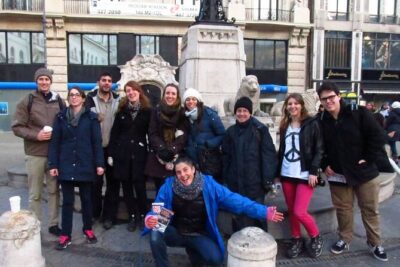
Budapest City Landmarks Walking Tour in 2 Hours
Read our review →
3-Hour Orientation Walking Tour of Buda and Pest
Read our review →
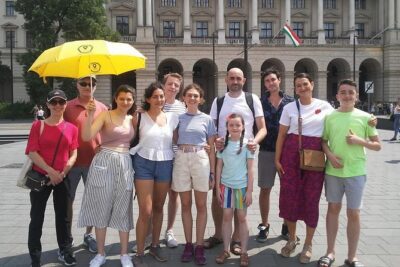
Budapest Historical Sightseeing – Free Walking Tour
Read our review →
Budapest Food Walking Tour: Eat, Sip & Explore Like a Local
Read our review →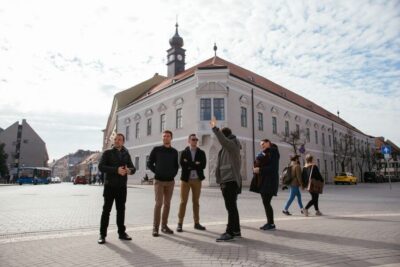
Buda Castle District Walking Tour with a Historian
Read our review →Browse the lists this tour appears in