
This Grand Budapest walking tour is interesting because it stitches together big eras into one practical day. You get Buda Castle first, then you cross into Pest so the city’s story makes sense fast. One heads-up, many of the top interiors you see will require tickets you buy yourself.
I especially like the private, small-group feel, up to 6 people, and the way guides tailor the day to your interests. If you get Katalin or Susan, you’ll see how the route can be shaped to avoid repeating what you already have booked, like a river cruise.
The main drawback to plan for is the pace. It runs about 7 hours, expects moderate physical fitness, and lunch is not included, so you’ll want a plan for food breaks.
Key highlights worth planning around
- Private, up to 6 people, so you can ask questions without a crowd pushing you along
- Tailored storytelling, with guides like Katalin and Susan adjusting the walk to your schedule
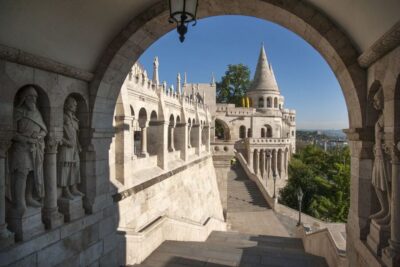
- Buda Castle, Matthias Church, and Fisherman’s Bastion as your morning foundation
- A fast Danube crossing, so you understand why Budapest is two cities
- Major landmarks in one day, from Heroes’ Square to the Parliament area
- Family-friendly energy, with humor and question time built into the pacing
A 7-hour Budapest walk that actually helps you understand the city
If you want a first-time orientation that feels more like talking with a smart local friend than following a checklist, this tour is built for that. Budapest can feel like it has too many layers, but the best part here is the order. You start from the hilltop story of power, then you move through Pest, where politics and culture show up in major squares and monumental buildings.
I like that the day connects the dots. You’re not just seeing pretty facades, you’re learning why those buildings ended up where they are and what they meant at different moments in Hungarian life, from kings to Communism. That makes later self-guided wandering easier, because you know what you are looking at.
Still, treat it as a long walking day, not a relaxed stroll. You’ll be on your feet for hours, and not every stop includes an entry ticket. If you hate ticket hassles, plan for at least some extra stops being exterior-focused.
Other Budapest bookings worth a look
- Budapest: Buda Castle Walk with Saint Stephen’s Hall
★ 4.5 · 3,012 reviews - Budapest: Buda Castle District Walking Tour
★ 4.6 · 2,108 reviews - Budapest City Landmarks Walking Tour in 2 Hours
★ 5.0 · 2,048 reviews
Getting started at 9:00 with pickup and a small-group rhythm
The tour starts at 9:00 am in Budapest and ends back in the city. There’s also pickup available from hotels, hostels, apartments, and AirBnBs, which is great if you want to skip the morning transport hassle. It’s offered in English, and the meeting point is near public transportation, so even if you do not use pickup, you should be able to reach the start without stress.
This is a private tour, meaning only your group participates. That matters more than it sounds. In a smaller group, the guide can adjust the pacing, slow down for questions, and shape the route around your day, not around a generic script.
One more practical detail: you get a mobile ticket. That helps because you are not juggling paper vouchers while you are trying to keep momentum with the group.
Buda Castle District: where Budapest’s power story begins
Your morning is anchored in the Buda Castle District, which is the right move. Hilltop Budapest has a way of making history feel physical, and this stop sets the stage for everything later.
You spend about 2 hours here, with stops that typically include the Royal Palace area, Matthias Church, and Fisherman’s Bastion. Admission is listed as free for this part of the tour, which is a nice bonus since your time is already valuable.
Here is why this section is so useful for first-timers. The Castle Hill area is where you learn the city’s old identity, the one tied to rulers, courts, and major churches. Matthias Church is a key landmark because it signals a long tradition of faith and state presence in one place. Fisherman’s Bastion, even if you think you are visiting just for views, also helps you understand how Budapest uses visual storytelling on the hill.
What to watch for while you’re there: take a moment to look down toward the river. When later you see Pest monuments, that line of sight will help the map in your head click into place.
Heroes’ Square: the big-canvas view of Hungarian identity
Next you head toward Heroes’ Square, a place built to make an impression. The stop is about 30 minutes, so you will not be sitting there all day, but you will get enough time to absorb why it’s such a key symbol of national identity.
This is one of those stops where your guide’s context makes a huge difference. Heroes’ Square is tied to the way Hungary wanted to represent itself, including who gets honored and why. Even if you are not obsessed with monuments, it’s worth seeing it with someone who can translate the symbolism into plain language.
Admission here is not included, and the tour keeps the time tight. That can be good if you prefer outdoor orientation over long ticket lines.
If you like museums, note that the Fine Arts Museum and Modern Art Museum sit nearby. You can decide later whether to add museum time, but for this tour, the goal is quick clarity on what the square represents.
A different sort of Budapest afternoon:
- Budapest: City Highlights Sightseeing Cruise
★ 4.6 · 43,981 reviews - Budapest: Unlimited Prosecco, Beer and Aperol Spritz Cruise
★ 4.8 · 37,304 reviews - Budapest: Széchenyi Spa Day Ticket with Optional Upgrades
★ 4.3 · 23,911 reviews - Budapest: Nighttime or Daytime Sightseeing Cruise
★ 4.2 · 21,062 reviews
St. Stephen’s Basilica and the square that anchors the next chapter
After Heroes’ Square, you move to St. Stephen’s Basilica in St. Stephen’s Square for about 30 minutes. Admission is not included here, so plan for a visit that is more about orientation and exterior viewing, plus whatever the guide can fit in during the allotted time.
I like this stop because it shifts your understanding from national symbols into everyday religious and civic life. St. Stephen’s Basilica is a dominant figure in central Budapest, and it’s the kind of landmark that makes you orient quickly when you return later on your own.
At this pace, the goal is not a long church visit. Instead, it’s a stop that helps you connect what you saw on the hill with what you see in Pest, and how Budapest’s religious and political stories overlap in public space.
Parliament and Kossuth Square: politics written in stone
You then head toward the Hungarian Parliament Building at Kossuth Square for another 30 minutes, with admission not included. This stop is short by design, but Parliament is too important to skip when you want the full Budapest picture.
A big benefit here is timing. By the time you reach this area, you have already been primed with context about Hungarian history, so Parliament reads differently than it does for someone who arrives cold. You understand it as a statement about governance and national direction, not just as a dramatic building in the skyline.
Practically, this is also a good photo stop. Because you’re not spending a long time waiting around for tickets in the middle of a packed day, you keep the flow moving.
Chain Bridge and the Danube crossing: Budapest’s two halves in one glance
Then comes the Szechenyi Lanchid, or Chain Bridge. This is the part where the tour earns its name in a very visual way. Admission is listed as free for this stop, and you spend about 30 minutes here.
The best use of Chain Bridge is to pause and look. This bridge is the line that shows you why Budapest is often described as two cities: Buda on the hills, Pest on the flatter plain. Once you have seen both sides in one day, the city starts making more sense with every step.
I also like that this stop gives you a natural break in the day’s structure. Morning has been hilltop and landmarks. Now you get a river view and a clear transition, which keeps the walking day from feeling like a nonstop sprint.
Dohány Street Synagogue: learning beyond the postcard view
Next is Dohany Street Synagogue, specifically the Great Synagogue, for about 30 minutes. Admission is not included, so treat it as a guided orientation stop rather than a full museum-style visit.
This location matters because it adds depth to the Budapest story. Central European capitals often get reduced to grand palaces and government buildings, but the synagogues in Budapest show how different communities shaped the city. If you care about how history worked on real people, this stop will give you that missing layer.
The guide’s job here is key. In a short time, you want help understanding what you’re seeing and why it is significant. With this tour’s pacing, you should come away with a clearer picture, not just a glance and a photo.
Tip for your comfort: if you plan to add entry tickets elsewhere that day, keep an eye on your energy here. This part may feel emotionally heavier than some other stops, and it helps to have a calm moment even in a tight schedule.
The Hungarian State Opera House: culture as a public statement
You also stop at the Hungarian State Opera House (Magyar Allami Operahaz) for about 30 minutes. Admission is not included.
Even if you do not plan to attend a performance, seeing the Opera House helps you understand Budapest as a city that invests in culture and prestige. It’s also a good counterbalance to the day’s political stops. After squares and governance, an opera building is a reminder that art and national identity often move together.
This is a quick stop, so your best approach is mindset: treat it as one of those landmark moments that rounds out the picture. You can always return later if it makes you curious enough to go deeper.
City Park and Széchenyi Baths area: a big finish with choices
The final stretch is Varosliget, or City Park, for about 1 hour. This is where you get breathing space after the string of major landmarks. The tour can include Vajdahunyad Castle and the Széchenyi Baths area.
Admission is not included for this section. The benefit is that the guide can show you the key sights and then you can decide what to do with extra time. If you’re the type who wants to stretch legs after a long walk, City Park is a great place to end. It also gives you a natural transition into evening plans, since this area is a common hub for dinner and casual wandering.
About the Baths: this tour is not telling you to spend hours there, but the stop is still useful. Even just seeing the setting helps you understand why Széchenyi Baths are such a famous Budapest experience.
If you want more than a quick look, you’ll likely plan a return day. But even without ticketed time today, the park finale helps the day feel less like a blur of buildings and more like a full-city sampling.
Price and value: is $350 per group a smart deal?
The price is $350 per group, up to 6 people, and the tour runs about 7 hours. That means the value depends on how you’re traveling.
If you book as a small group of friends or family and you fill up most of the max group size, the per-person cost can become quite reasonable for a private guide covering multiple major areas and two sides of Budapest. You also get the practical benefits that come with a guide, not just a map: you learn what matters, you avoid wasted turns, and you get a pacing plan for a long day.
On the other hand, you should budget for extra spending on admissions, because only certain parts list admission as free. Lunch is also not included, so expect a meal stop on your own. If you strongly prefer all-inclusive tours with ticket costs bundled in, this may feel a little more “you handle some entries.”
Still, compared to paying for multiple individual guided visits or trying to stitch together your own route across Buda and Pest without context, paying for one well-structured day can save time and headaches. For first-timers who want bearings fast, that’s where this price starts to make sense.
What you’ll feel during the walk, from pace to humor
This tour’s biggest win is the guide relationship. The guides highlighted in past experiences, including Katalin Boldizsar, Susan, Zsuzsanna, and Kate, come across as friendly and flexible. The day does not feel like a hard script. It feels like someone is watching your interests and adjusting the story to match what you want.
I also like that the pacing has room for questions. In a city as layered as Budapest, you do not want to keep your curiosity locked in your head until the end. This tour aims to answer real questions as they come up, which is how you end up remembering details later.
Family-friendly energy shows up too. If you have kids, you’ll appreciate the guide style that keeps things moving without turning the day into a lecture. That does not mean it skips history. It means the history is explained so it lands.
One practical note: since pickup is offered and the route is walking-heavy, it helps if you’re traveling with shoes that handle cobblestones and longer distances comfortably. The tour requires moderate physical fitness, so come prepared for a full day of stepping out, not a short sightseeing burst.
Should you book the Grand Budapest walking tour?
Book it if you want a first-time Budapest overview that connects landmarks to a readable story. It’s a strong choice for couples, small families, and groups who want a private guide for most of the major highlights, especially if you like history explained in an upbeat, human way.
Skip it, or at least think carefully first, if you hate paying for extra entries during tours, since only some areas list free admission. Also consider whether you are comfortable with about 7 hours of moderate walking, with lunch left for you to handle.
If you do book, my best advice is simple: wear comfortable shoes, plan for ticket add-ons, and bring questions. This tour works best when you treat it like a guided conversation, not a race through monuments.
Newest reviews from Budapest
- Private Tour Around Budapest★ 5.0 · 10 reviews
- Born Under The Red Star – Communist tour with Coffee in a Retro Bar★ 5.0 · 10 reviews
- Live virtual walking tour in the Buda Castle quarter★ 5.0 · 10 reviews
- Taste Budapest – Fat Boy Foodies Walk★ 4.5 · 10 reviews
- Wine & Food Tasting Cruise on the Danube★ 3.5 · 10 reviews
- Private Transfer from Budapest to Prague with 2 hours for sightseeing★ 4.5 · 10 reviews
- The Real Saw | Escape Room by PÁNiQ SZOBA★ 4.1 · 10 reviews
- City Park True Crime of Hungary and Night Walk Tour in Budapest★ 5.0 · 10 reviews
Walking Tours, compared.

Budapest City Landmarks Walking Tour in 2 Hours
Read our review →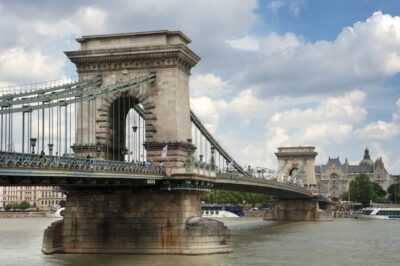
3-Hour Orientation Walking Tour of Buda and Pest
Read our review →
Budapest Historical Sightseeing – Free Walking Tour
Read our review →
Budapest Food Walking Tour: Eat, Sip & Explore Like a Local
Read our review →
Buda Castle District Walking Tour with a Historian
Read our review →Browse the lists this tour appears in