
Reviewed · JEWISH HERITAGE
Budapest City Walk in Jewish Quarter
Budapest’s Jewish Quarter is one of those places where you learn fast, just by walking. The district is compact, so you can go from striking synagogues to memorial sites without burning hours on transit. I like that the whole experience is framed as stories, not a script, so you understand what you are seeing and why it still matters.
Two things I really love: first, the focus on the Jewish Quarter’s synagogue triangle (Kazinczy, Rumbach, and Dohány Street) plus the smaller prayer houses that sit along the way. Second, the hotel pickup and drop-off makes it easy to fit into a busy trip day, even if you are juggling museum tickets or dinner plans.
One drawback to plan for is cost creep. The tour price covers the guide and the walking, but synagogue entrance fees are not included, with an additional maximum of €46 per person.
Key Highlights You Can Plan Around
- Synagogue triangle focus with Kazinczy, Rumbach, and Dohány Street Synagogue in one walk
- WWII memory sites including the last remaining part of the ghetto wall and the iconic Shoes Monument by the Danube
- Raoul Wallenberg Memorial Garden and the Emmanuel tree stop for a quieter, reflective moment
- Budapest Jewish Museum and Jewish Archives exhibitions to add depth beyond street-level history
- Local-life courtyards and cafés, including Gozsdu Courtyard and ruin bar culture like Szimpla
- Small group size, capped at 10, with the guide able to flex to your interests
Why This Jewish Quarter Works So Well as a City Walk
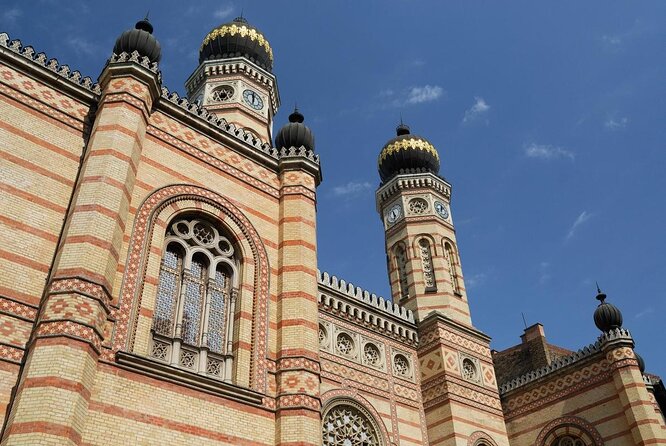
If you like history, but you do not want to sit still for hours, this is a smart match. The Jewish Quarter in Budapest’s District VII is tight, packed with landmarks, and full of little streets that connect one story to the next. You get a sense of the neighborhood layout, not just a list of stops.
And because it is a walking tour, the guide can point out contrast. You see ornate synagogue architecture beside everyday apartment life. You see memorial spaces sitting next to courtyards where people still hang out. That mix is the point. It is how the quarter feels, past and present in the same frame.
I also like that the walk is designed to be informative, integrating, and fun. The guide keeps the flow moving, but you can ask questions and you can take breaks if the walking pace does not fit your day.
More of Jewish Budapest:
- Budapest: Jewish Heritage Guided Tour with Synagogue Ticket
★ 4.8 · 533 reviews - Walking Tour Budapest incl. the Shoes on the Danube Bank
★ 5.0 · 387 reviews - German tour in the Budapest city centre & the Jewish quarter
★ 5.0 · 359 reviews
Your Guide and What Makes the Tour Feel Personal
This is led by a professional, licensed, local guide, and the tone really shows. Many guests highlight that guides like Timea Tarjani bring both Hungarian Jewish history and personal connection to the stories. That matters because the tour is not only about facts. It is also about memory, resilience, and what life looks like in the community today.
You also get personalized attention because the group is limited. The tour description notes a maximum of 10 travelers, and the pricing is set per group (up to 6), which often means you will not feel like one face in a crowd. That gives you room to steer the conversation.
One more practical plus: the guide can help you with what to do after the walking part. The tour includes restaurant recommendations and booking a table if you want it, plus suggestions for local places to return to on other days.
Entering the Synagogue Triangle: Dohány Street, Rumbach, and Kazinczy
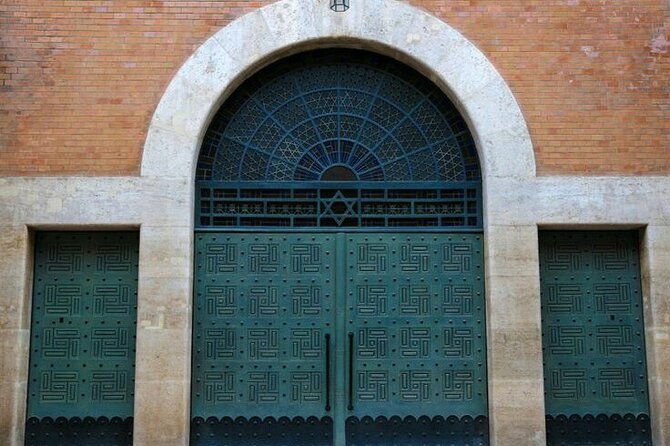
The highlight route is the synagogue triangle, where you visit three major sites that help you map the neighborhood’s religious and cultural range. Even if you have seen photos, the real payoff is in how the guide connects them to the streets around them.
Here is what you can expect to cover as you move between them:
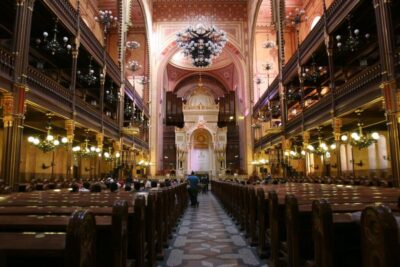
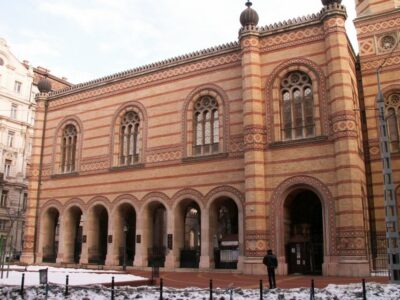
- Dohány Street Synagogue: This is described as the second largest non-Orthodox synagogue in the world. Seeing it in person gives you scale fast, and the architecture helps you understand why these buildings became such visible anchors.
- Rumbach Street Synagogue: This stop adds another layer to the story. The guide explains the historical context tied to the city and Jewish community, with WWII-era emphasis.
- Kazinczy Street Synagogue: In addition to the synagogue itself, you can visit the mikveh in Kazinczy Street, which adds a distinctly local, daily-life component to the tour.
What I like about structuring the walk around these three is that you do not just check buildings off a list. You compare them as you go. And because the area is walkable, you get a feel for how near these institutions sit to memorials and later history.
Dress and access reality check
Synagogue visits often involve head coverings. The tour notes that you should bring your own hat or cap and scarf if you do not want to wear pieces provided by the synagogues. Bring something you will actually feel comfortable wearing for the time you are inside.
Other Budapest bookings worth a look
- Budapest: Buda Castle Walk with Saint Stephen’s Hall
★ 4.5 · 3,012 reviews - Budapest: Buda Castle District Walking Tour
★ 4.6 · 2,108 reviews - Budapest City Landmarks Walking Tour in 2 Hours
★ 5.0 · 2,048 reviews - 3-Hour Orientation Walking Tour of Buda and Pest
★ 4.8 · 1,834 reviews
Jewish Museum, Jewish Archives Exhibitions, and the Value of Context
Street landmarks can hit hard, but museums are where the story gets organized. On this tour you also visit the Budapest Jewish Museum and the exhibitions of the Jewish Archives.
This is valuable because the neighborhood is small, but the timeline is not. A walking tour gives you movement through space. The museum and archives help you slow down and connect what you just saw to a bigger picture.
Think of it like this: the synagogues and memorials tell you where people stood. The museum and archives help you understand what those places meant during different eras. That is especially useful if you want your WWII context to feel grounded rather than vague.
WWII Memorial Stops in a Small Area: Wall Remnants to Shoes on the Danube
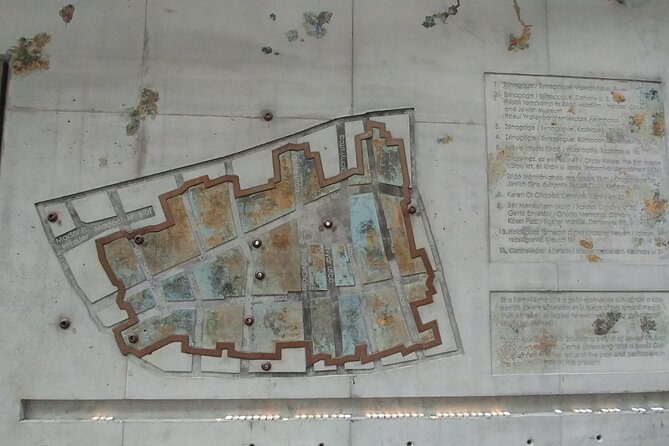
One of the hardest, most important parts of Budapest is also one of the most walkable in this quarter. Your route includes WWII-linked memory sites, including:
- Raoul Wallenberg Memorial Garden, including the Emmanuel tree
- Carl Lutz Memorial
- stumbling stones in the streets
- the last remaining part of the WWII ghetto wall
- the Shoes Monument on the Danube riverbank
What makes this set of stops work is how close they sit to everything else. You are not only reading history on a special museum bench. You are walking past the kinds of streets where daily life once continued under impossible circumstances. The guide helps you connect those contrasts.
I also like that the tour does not treat these sites as a quick photo stop. The pacing includes time for the stories to land, and the guide answers questions with care. If you want a slower rhythm, you can ask to spend more time in a place. The itinerary is noted as flexible.
Local-Life Courtyards, Shops, Cafés, and Ruin Bar Culture
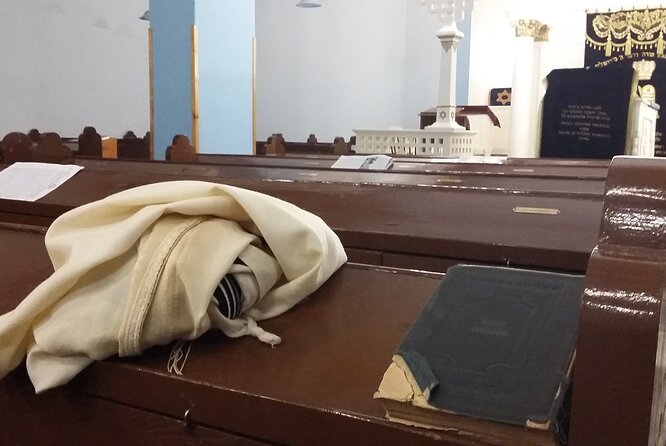
Here is the part that turns the tour from history lesson to lived-in neighborhood. You will also visit places mostly visited and used by locals, and the guide brings in everyday details you would miss if you only followed the obvious landmarks.
Stops and settings you can expect include:
- Gozsdu Courtyard, a classic example of how the quarter blends old streets with modern hangouts
- little shops, eateries, and confectioneries
- old and newly opened cafés
- ruin bars, including the iconic Szimpla
This is not random partying added for fun. It is context. The Jewish Quarter today still has community life, and the tour helps you see how the neighborhood is used now, not only how it was used during WWII.
Even if you are not into café hopping, these stops matter because they change your mental picture. You stop thinking of the quarter as only a memorial zone, and you start seeing it as a place with ongoing culture.
How Flexible Is This Tour, Really?
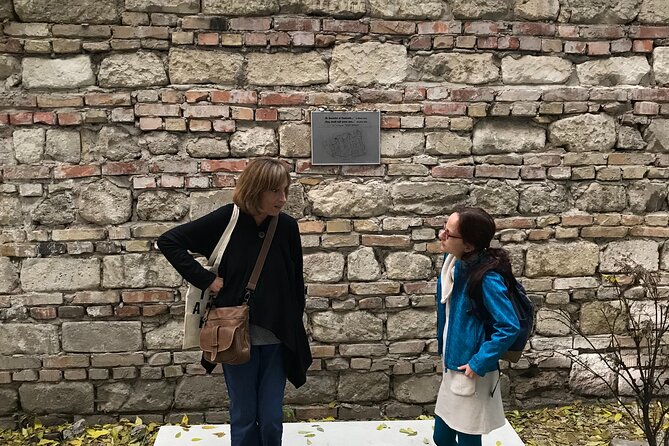
The tour description explicitly mentions high flexibility. That means you are not locked into a strict script where the guide must rush you along. If you have deeper interest in something, you can spend more time there. If something does not catch your attention that day, you can skip it.
This flexibility is especially helpful because people come to Budapest with different priorities. Some want heavier WWII focus. Others want more about the synagogues and religious life. And many people want a blend, with time for a real meal afterward.
If you are traveling with teens or someone who gets bored in long indoor stops, this kind of control over pace is a real advantage. Guests also mention their guide kept even younger participants engaged through conversation and Q&A.
Price and Value: What $356.90 Means for Your Group
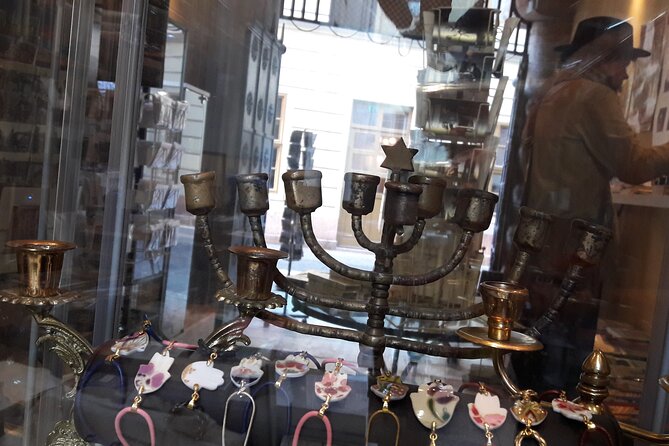
The price is $356.90 per group (up to 6) for about 4 hours. That is the big point of value here. It is not priced per person in a way that always punishes small parties.
Here is how to think about value in a practical way:
- If you have a group near 6 people, the per-person cost drops a lot, and the added perks (licensed guide, hotel pickup and drop-off) become easier to justify.
- If it is just 2 people, the total cost is still fair if you value having a small-group, story-first guide who can tailor the route. But you should treat it like a special experience, not a budget walking tour.
Also factor in what is not included. Entrance fees are extra, with a maximum additional cost of €46 per person. The tour notes that you can choose visiting one synagogue only, with potential discounted prices (family, senior, etc.). If you are planning to go inside multiple places, build that additional budget into your day.
Getting the Day Right: Walking Pace, Breaks, and Practical Prep
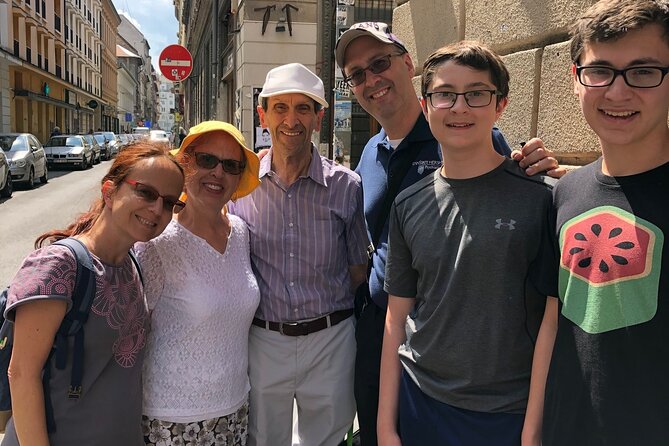
This tour involves moderate walking. The key detail for comfort is that you can ask for a break. That is important because you will be moving between landmarks fairly close together, but you still need stamina, especially if your trip day already includes museums or a long morning.
I recommend you plan like a local:
- wear shoes you trust for cobblestones and uneven sidewalks
- bring a hat or cap and scarf if you do not want to use synagogue head coverings provided there
- carry water or plan to buy it, since food and drinks are not included
The tour notes near public transportation, and it includes hotel pickup and drop-off. That combination reduces stress. You do not have to start your day with a complicated meetup puzzle.
Who This Tour Is Best For
This is a strong choice if you want:
- a WWII-focused Jewish Quarter experience without losing the thread to dates and names
- a guide who can talk about Hungarian history and Jewish life past and present
- a walk that includes both major landmarks and quieter, more local-feeling stops
- flexibility, so you can slow down for the parts that matter to you
It also fits families and mixed-age groups, as long as everyone is comfortable with moderate walking. If your party has mobility limits, you should consider the pace and request breaks during the tour.
Should You Book This Budapest Jewish Quarter City Walk?
I think you should book it if you want a guided walk that does more than show you where things are. This tour helps you understand the quarter’s layers, from the synagogue triangle to WWII memorial sites and then back to the places where people still spend time.
Book it especially if you care about getting the emotional weight right. The stops are powerful, and the guide’s storytelling style is a big reason guests rate it so highly. The hotel pickup and small group size also make it easy to commit to, even with limited time.
Skip it or rethink if you are chasing a very low-cost option, since synagogue entrance fees can add up and the price is per group rather than a dirt-cheap per-person deal.
If your goal is to leave Budapest with your bearings in the Jewish Quarter, and with stories you will remember later, this is a great use of a half day.
FAQ
How long is the Budapest Jewish Quarter city walk?
The tour lasts about 4 hours.
What is included in the tour price?
You get a professional, licensed local guide, plus hotel pickup and drop-off (or restaurant drop-off for lunch/dinner). The guide can also recommend and book a local restaurant, and they can arrange kosher meals or snacks if required.
Are synagogue entrance fees included?
No. Entrance fees are not included. The tour notes a maximum additional entrance fee cost of €46 per person, and you can choose visiting one synagogue only, with possible discounted prices (family, senior, etc.).
Is pickup from my hotel included?
Yes. Hotel pickup and drop-off is included, or the guide can drop you at a restaurant for lunch or dinner.
How many people are in the group?
The tour has a maximum of 10 travelers.
Is the tour only in English?
The tour is offered in English, and you also receive a mobile ticket.
Newest reviews from Budapest
- Private Tour Around Budapest★ 5.0 · 10 reviews
- Born Under The Red Star – Communist tour with Coffee in a Retro Bar★ 5.0 · 10 reviews
- Live virtual walking tour in the Buda Castle quarter★ 5.0 · 10 reviews
- Taste Budapest – Fat Boy Foodies Walk★ 4.5 · 10 reviews
- Wine & Food Tasting Cruise on the Danube★ 3.5 · 10 reviews
- Private Transfer from Budapest to Prague with 2 hours for sightseeing★ 4.5 · 10 reviews
- The Real Saw | Escape Room by PÁNiQ SZOBA★ 4.1 · 10 reviews
- City Park True Crime of Hungary and Night Walk Tour in Budapest★ 5.0 · 10 reviews
Jewish Heritage, compared.
Jewish Heritage Guided Tour with Synagogue Ticket
Read our review →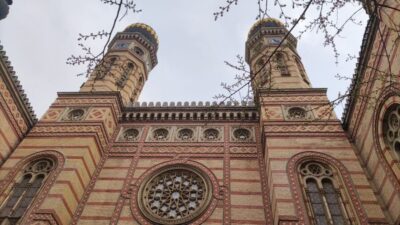
German tour in the Budapest city centre & the Jewish quarter
Read our review →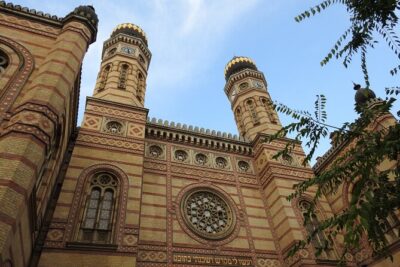
Past and Present of Budapest Jewish District Tour
Read our review →
Budapest Dohany Synagogue & Hungarian Jewish Museum & free extras
Read our review →
Jewish History Guided Walking Tour with Historian
Read our review →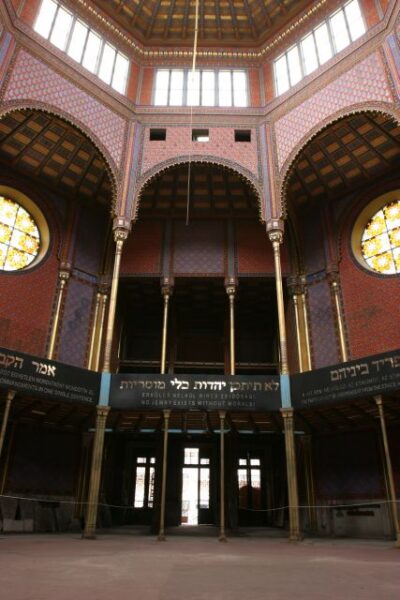
Browse the lists this tour appears in