
Reviewed · JEWISH HERITAGE
Budapest Jewish Ghetto History Private Guided Walking Tour
What makes this tour especially interesting is that it is built around real places, the kind that still feel heavy even in daylight. You follow the footsteps of Holocaust victims, survivors, and heroes through Budapest’s Old Jewish Quarter and former Ghetto area, guided by a 5-star licensed historian who keeps the stories human and specific.
I really like the way the route connects architecture to events. You get the Ghetto Memorial Wall as the anchor stop, then the guided context behind anti-Nazi rescue stories like Raoul Wallenberg and Carl Lutz. A big plus is that private means you can ask questions and get explanations tuned to your interests, which multiple guides like Peter, Ange, Bela, and Natalia have been praised for.
One possible drawback is the walking. This is a moderate route (about 2.5 to 3.5 km) with some uneven surfaces and steps, so if you have mobility limits you’ll want to plan carefully with your own pace in mind.
Key takeaways before you go
- Private 5-star style guide with fluent options (English, French, German, Italian, Spanish, Hungarian) and real attention to sensitive storytelling
- Ghetto Memorial Wall stop included in every option, with an entrance fee covered
- Carl Lutz Memorial near Rumbach Street is part of the experience, not just a quick photo stop
- Dohány Street Synagogue options range from outside view to inside access, including skip-the-line in 3- and 4-hour tours
- 4-hour add-on: Rumbach Street Synagogue with skip-the-line access and a strong architecture focus
- Skip-the-line still means security checks at the synagogues, so build in time for that
Why this Budapest Jewish Ghetto tour feels different from a standard “history walk”

Budapest’s Jewish Quarter can look like any old European neighborhood at first glance, which is exactly what makes this tour work. Your guide does the job of connecting everyday streetscapes to what happened here during WWII, including why the mass deportation of Hungarian Jews became one of the deadliest chapters of the Holocaust after 1942.
I like that the tour isn’t only about dates. You learn the stories of sacrifice and resilience through the people tied to these places, including anti-Nazi heroes such as Raoul Wallenberg and Carl Lutz. It turns memorials and synagogues into something you can actually understand instead of just pass by.
Because it is private, you can set a tempo that matches your comfort level. If you want more story detail, you can ask. If you want a slower pace at the memorial wall, the guide can adapt.
More of Jewish Budapest:
- Budapest: Jewish Heritage Guided Tour with Synagogue Ticket
★ 4.8 · 533 reviews - Walking Tour Budapest incl. the Shoes on the Danube Bank
★ 5.0 · 387 reviews - German tour in the Budapest city centre & the Jewish quarter
★ 5.0 · 359 reviews
Meeting point at Kamara Café, then straight into the story
You meet your guide in front of Kamara Café at Dohány u. 1a, 1074 Budapest. You do not go inside. That matters because the cafe staff is not informed about the tour, so you can stay focused on finding your guide at the sidewalk meeting point.
From there, the tour builds toward the synagogue area and the former Jewish Quarter and Ghetto sites. Even before you reach the most famous buildings, your guide usually sets the scene: the neighborhood’s Jewish cultural life before the war, how the community was targeted, and what changed as WWII tightened its grip.
This kind of start helps you get oriented fast. You are not wandering with your own guesses. You’re walking with a map in your guide’s head.
The core route: Old Jewish Quarter, former ghetto center, and meaningful wall fragments
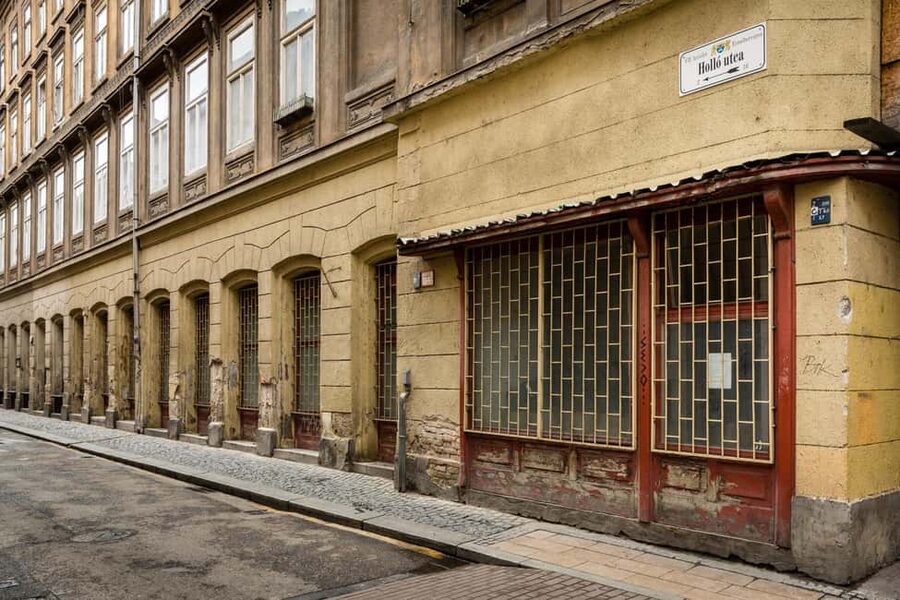
Across the 2-, 3-, and 4-hour versions, the experience is guided to show you the “shape” of the area during WWII. You pass through the former center of Hungarian Jewish cultural life and you’ll see remnants tied to the ghetto, including fragments of old ghetto wall.
One stop that keeps the tour from becoming only architectural sightseeing is the memorial-focused pacing. Instead of rushing from building to building, your guide uses key points to explain what you are seeing and why it mattered.
If you care about understanding how history literally fits into streets, this section is the backbone. Even if you visit memorials and museums in other cities, this kind of on-foot neighborhood context is hard to recreate later.
The Ghetto Memorial Wall: the emotional anchor you should not skim

Every option includes the Ghetto Memorial Wall, and there is an entrance fee included. This is the stop that gives the tour its emotional structure, because it forces a pause at the exact kind of reminder that can’t be reduced to trivia.
Your guide explains what the memorial wall represents and connects it to the events that unfolded in the surrounding area. There’s also an important planning note: the Ghetto Memorial Wall may occasionally close without notice. If that happens, your guide will share commentary from outside, so you’ll still get context, just without full entry.
If you tend to treat tours like a checklist, slow down here. This is the moment where your questions make more sense, and where the guide’s sensitivity matters.
More history walks in Budapest:
- Budapest: Historic Cruise with Welcome Drink
★ 4.7 · 6,512 reviews - Budapest Historical Sightseeing – Free Walking Tour
★ 5.0 · 1,302 reviews - Buda Castle District Dark History, Legends and Vampire Night Tour
★ 4.5 · 1,240 reviews - BloodThirsty Hungary: Walking tour & Dark Historical Stories
★ 4.9 · 633 reviews
Dohány Street Synagogue: UNESCO grandeur plus the Raoul Wallenberg memorial
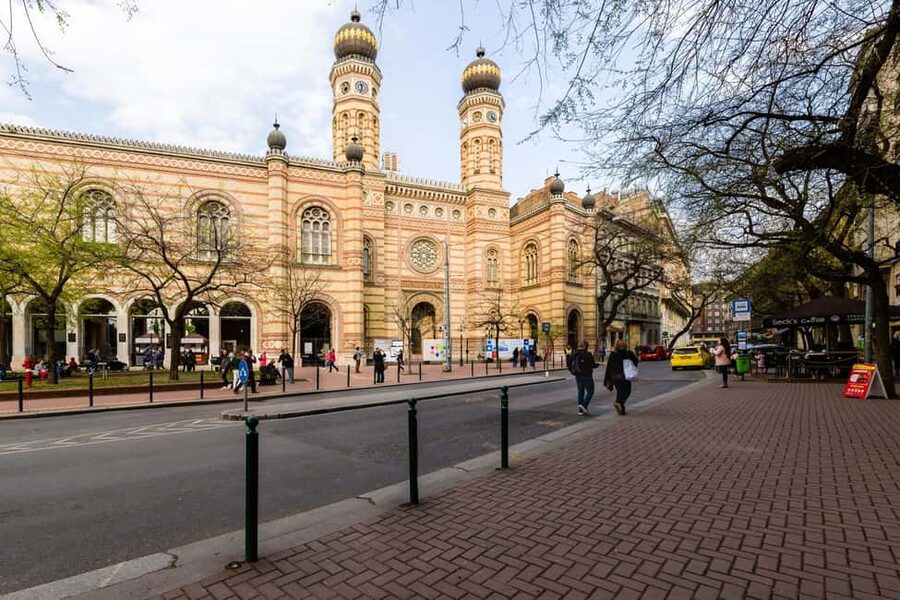
For the 3- and 4-hour options, you get skip-the-line tickets for Dohány Street Synagogue, and those skip-the-line tickets are included in the price. The key detail is that skip-the-line helps with the ticket office, but it does not remove security checks. Also, the access is for the permanent collection.
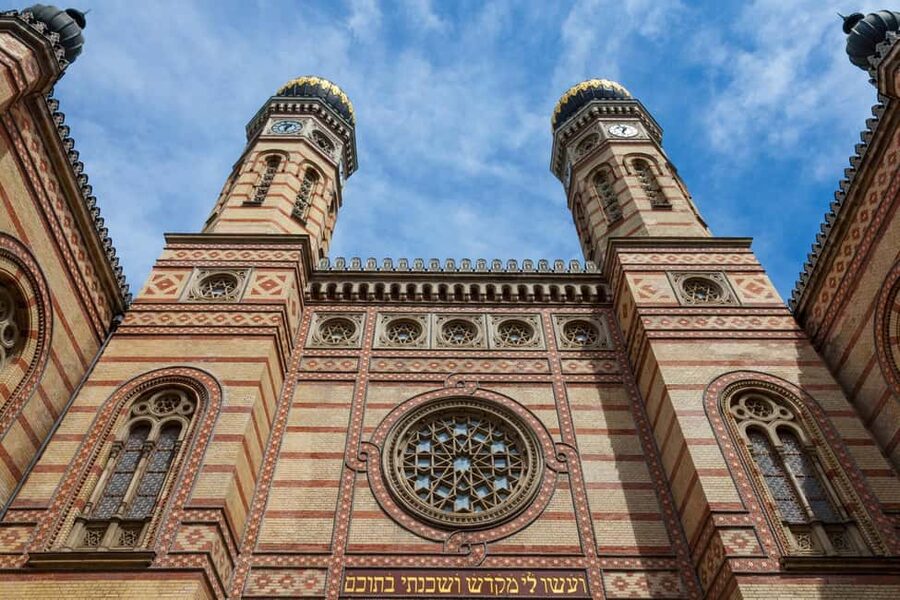
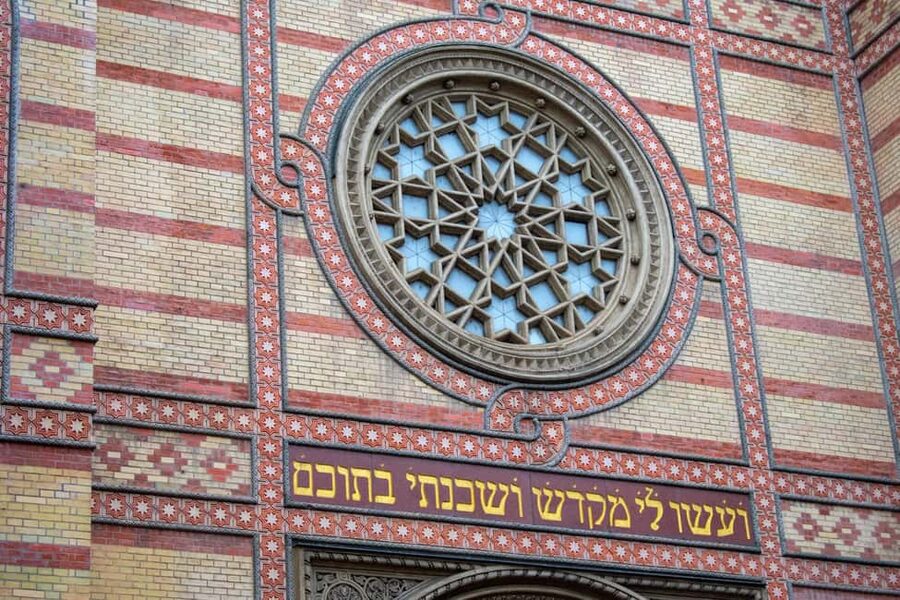
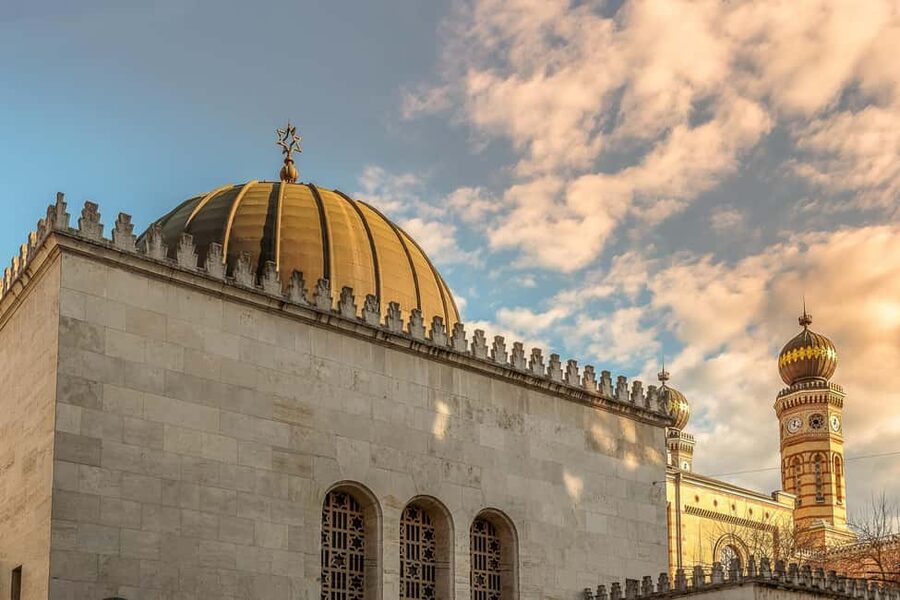
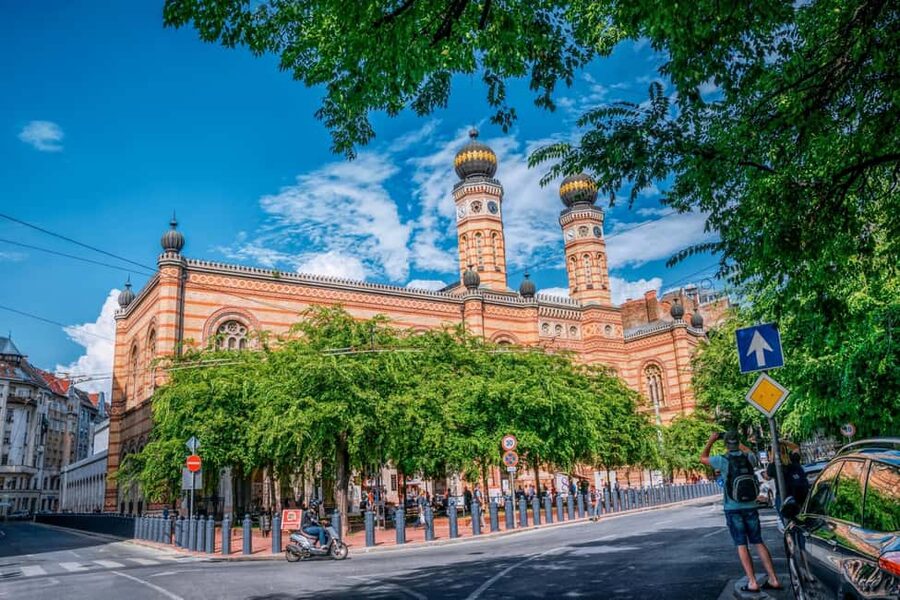
Dohány Street Synagogue is known as the largest synagogue in Europe and it is recognized as a UNESCO World Heritage Site. Outside, it already reads as monumental, but the guided storytelling is what changes how you “see” it.
If your option includes entry, you’ll spend time at the Raoul Wallenberg Holocaust Memorial Park, including the weeping willow sculpture engraved with thousands of names of Holocaust victims. Your guide will point out what you’re looking at, then connect the memorial to the person behind the story, Wallenberg, and the wider rescue efforts during the Nazi occupation.
You also have the chance to connect the site to Jewish history and culture through the Hungarian Jewish Museum housed inside. The guide can help you sort what is exhibit, what is memorial, and what is part of the building’s bigger meaning.
Carl Lutz Memorial near Rumbach Street Synagogue: a hero story you can actually locate
Another part of the tour that I appreciate is that it includes rescue history, not just tragedy. You’ll find the Carl Lutz Memorial near the Rumbach Street Synagogue, described as hidden near that synagogue area, which makes it feel more personal than a typical roadside plaque.
Your guide explains the core idea: Carl Lutz was a Swiss diplomat who helped save thousands of Jewish lives during the Nazi occupation. Standing near the memorial is the difference between learning a name and understanding why a person’s choices mattered in a specific place.
This stop also balances the tour emotionally. After the Holocaust memorial weight, a rescue story helps you understand that history included both cruelty and moral courage.
Rumbach Street Synagogue in the 4-hour option: Moorish Revival detail work
If you book the 4-hour tour, you get the added bonus of skip-the-line access to Rumbach Street Synagogue. Like Dohány, the skip-the-line bypasses the ticket office, not security checks, and access is for the permanent collection.
Inside, the synagogue is known for a richly restored octagonal sanctuary with Moorish Revival design details. What to pay attention to, with your guide’s help:
- gilded columns
- lively stained glass windows
- a soaring dome
You do not just look at a room. You learn why the design matters and how it reflects the community that built and sustained religious and cultural life. In a tour like this, architecture can either become background or become part of the story. Here, it is used as story language.
If you’re the type who likes a little “wow” factor in between heavy memorial stops, this is the part that gives you something memorable on a visual level.
Which tour option should you choose, 2 vs 3 vs 4 hours
Think of this as three levels of depth.
2-hour private option is a solid choice if you want the core neighborhood grounding and the Ghetto Memorial Wall without building in extra synagogue time. It is also a good match if you’re sensitive to pacing and prefer a shorter visit.
3-hour private option adds Dohány Street Synagogue, including skip-the-line tickets. This is the sweet spot if you want the Raoul Wallenberg memorial park details and the inside context for the synagogue and its related museum.
4-hour private option includes everything in the 3-hour version, plus Rumbach Street Synagogue with skip-the-line access. Choose this if you love architecture and want more time in the Jewish Quarter’s restored religious spaces.
I’d pick the 3-hour version most often, because it gives you the big Dohány experience plus enough time for the memorial pacing. If you have mobility issues or limited time, go shorter. If you can handle the walking and want more building time, go longer.
Price and value: what $155 per person buys in a private setup
At $155 per person for a 2 to 4 hour private walking tour, the price isn’t trying to compete with a mass group bus situation. You’re paying for a private, licensed history guide and for included entry components that matter here, like the Ghetto Memorial Wall entrance in every option.
The value makes more sense when you notice the included extras:
- skip-the-line for Dohány Street Synagogue in the 3- and 4-hour tours
- skip-the-line for Rumbach Street Synagogue in the 4-hour tour
- entrance included for the Ghetto Memorial Wall
If you care about not losing time to ticket lines, those inclusions help. You’ll still go through security at synagogues, but you avoid the ticket office bottleneck. And with a private guide, you’re not stuck listening to generic commentary that doesn’t match your pace.
Also, this is not a “food tour” or a “see everything” day. The cost is tied directly to interpretation, memorial access, and major site time.
Walking comfort: what to expect on the route
This is a moderate walking experience, roughly 2.5 to 3.5 km, with uneven surfaces or steps. Your guide adjusts the pace, so you’re not stuck with a forced marching rhythm.
Still, it’s wise to wear supportive shoes. Bring a water bottle if you tend to get thirsty, since food and drinks are not included.
If you’re planning synagogue entry days, also keep in mind that security checks can add time. The skip-the-line helps, but it doesn’t remove that step.
Language options and how private can feel like personalized learning
The guide is fluent in German, French, Italian, Spanish, English, or Hungarian depending on what you book. Since it is private, you can ask follow-up questions and adjust the focus.
This matters in a tour like this because people often arrive with different motivations. Some want the rescue stories, others want the chronology of ghetto conditions, and others care most about the memorial art and what it symbolizes.
The guide’s job is to translate those interests into a clear walking route. The strong feedback on guides like Peter, Ange, Bela, and Natalia points to this kind of thoughtful, sensitive teaching, not just reciting facts.
Practical tips so your visit stays respectful and smooth
This tour is built around solemn subject matter. You can help it go well with a few simple choices:
- Wear shoes you can walk in comfortably on uneven streets and steps
- Plan your expectations so the Ghetto Memorial Wall is not rushed
- If you’re doing a 3- or 4-hour option, expect security checks even with skip-the-line tickets
Also, check your email the day before the tour for important details from the operator. That small step helps you show up prepared without last-minute stress.
One more helpful note: the Ghetto Memorial Wall could close occasionally without notice. Your guide will adapt with commentary from outside, so you’ll still have a narrative thread.
Should you book this Budapest Jewish Ghetto History tour?
Book it if you want a guided walk that treats the neighborhood like a living record, not a set of photo spots. You’ll get real memorial context at the Ghetto Memorial Wall, a strong ethical history framework with anti-Nazi heroes like Raoul Wallenberg and Carl Lutz, and major synagogue experiences depending on the option you choose.
Skip it only if you strongly prefer museums over walking, or if uneven surfaces and steps would make you uncomfortable. In that case, you might look for an alternative with less on-foot time.
If you’re in Budapest with a morning or afternoon window and you want meaning plus clear storytelling, this is a smart use of time. The private guide format is the difference between knowing the outline and truly understanding why these streets still carry weight.
FAQ
Where do I meet my guide?
Meet your guide in front of Kamara Café at Dohány u. 1a, 1074 Budapest. Please do not enter the cafe.
How long is the tour?
The duration is 2 to 4 hours, depending on the option you select.
Is this a private tour?
Yes. It is a private group tour, with private groups limited to 1 to 25 guests per guide.
Which languages are available for the live guide?
Live guide languages include German, French, Italian, Spanish, English, and Hungarian.
Does the tour include the Ghetto Memorial Wall entrance fee?
Yes. The Ghetto Memorial Wall entrance fee is included in all tour options.
Are skip-the-line tickets included?
- Dohány Street Synagogue skip-the-line tickets are included for the 3- and 4-hour options only.
- Rumbach Street Synagogue skip-the-line tickets are included for the 4-hour option only.
Do skip-the-line tickets avoid security checks?
No. Skip-the-line tickets let you bypass the ticket office, but not security checks. Access is for the permanent collection.
What if the Ghetto Memorial Wall is closed?
The Ghetto Memorial Wall may occasionally close without notice. If that happens, your guide will share commentary from outside.
How much walking should I expect?
Expect a 2.5 to 3.5 km walking route with some uneven surfaces or steps. Your guide will adapt the pace.
Newest reviews from Budapest
- Private Tour Around Budapest★ 5.0 · 10 reviews
- Born Under The Red Star – Communist tour with Coffee in a Retro Bar★ 5.0 · 10 reviews
- Live virtual walking tour in the Buda Castle quarter★ 5.0 · 10 reviews
- Taste Budapest – Fat Boy Foodies Walk★ 4.5 · 10 reviews
- Wine & Food Tasting Cruise on the Danube★ 3.5 · 10 reviews
- Private Transfer from Budapest to Prague with 2 hours for sightseeing★ 4.5 · 10 reviews
- The Real Saw | Escape Room by PÁNiQ SZOBA★ 4.1 · 10 reviews
- City Park True Crime of Hungary and Night Walk Tour in Budapest★ 5.0 · 10 reviews
Jewish Heritage, compared.
Jewish Heritage Guided Tour with Synagogue Ticket
Read our review →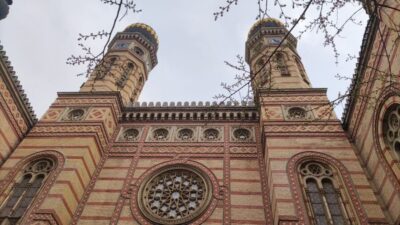
German tour in the Budapest city centre & the Jewish quarter
Read our review →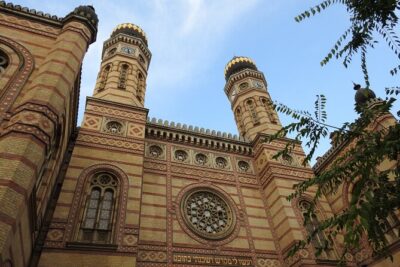
Past and Present of Budapest Jewish District Tour
Read our review →
Budapest Dohany Synagogue & Hungarian Jewish Museum & free extras
Read our review →
Jewish History Guided Walking Tour with Historian
Read our review →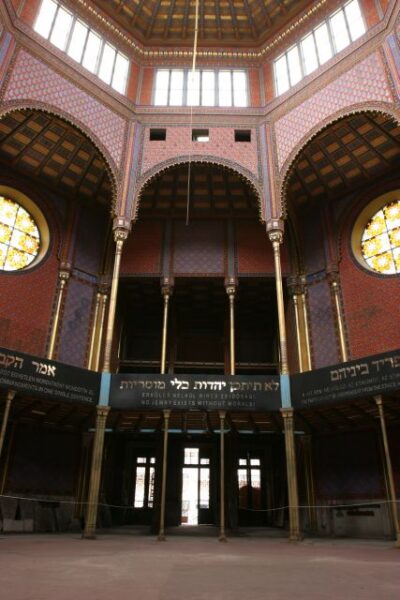

Browse the lists this tour appears in